

By James Larson
Warming winters and nighttime temperatures up
Across Minnesota, average temperatures—especially overnight lows—have been rising fastest during winter months. Most of the state’s warming since the late 19th century has happened in coldest seasons and at night. In Stillwater and Washington County, that means milder winter nights, fewer extreme cold snaps, and longer stretches without deep freeze. While winter storms will still happen, their character often shifts toward more mixed precipitation and rapid thaw cycles.
Heavier precipitation and water concerns
Precipitation in Minnesota has increased overall, with the most intense rainfall events (1-inch, 3-inch, and larger) becoming more frequent. Local watersheds in Washington County are facing rising strain: more runoff, increased erosion, and elevated risk of flooding in stream banks and low-lying areas.
Residents have placed growing concern on water quality in lakes and streams, and the safety of drinking water supplies. Pollutants, surface runoff, and land development are all under scrutiny as the community seeks more sustainable watershed practices.
Growing seasons, shifting phenology, and seasonal windows
Stillwater’s growing season has quietly expanded. Empirical observations show that the frost-free period is creeping longer, allowing some plants to bloom earlier and others to persist later into fall. On the flip side, cold snaps can arrive suddenly in early autumn, reminding us that variability remains high.
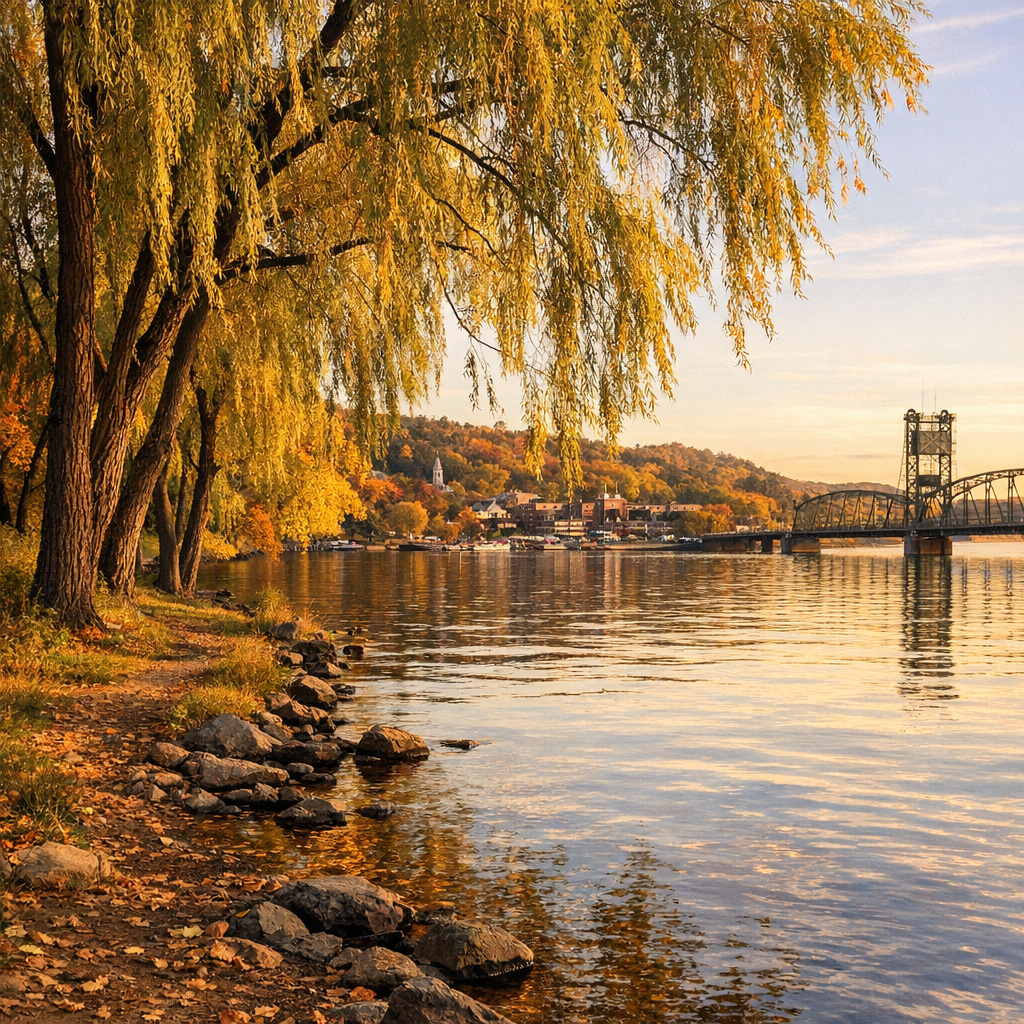
One reward of this change is a brief “micro-season” in early autumn—late September though early October—often marked by clear skies, calm weather, and pleasant days. It’s a subtle but reliable pocket of ease between summer’s heat and winter’s chill.
Local environmental priorities and what’s being done
Washington County has developed a Climate Action Plan aimed at gathering local data, reducing emissions, and enhancing community resilience. Water availability, extreme rainfall, and heat risk are among the central concerns. Habitat protection is also on the rise: dozens of species in the county are listed as threatened or endangered, and local programs work on preserving and restoring natural areas.
County residents rank water quality, drinking water safety, and climate change among their top environmental concerns. Many see accelerated development as a double-edged sword—bringing economic opportunity, but also stress on natural systems.
What residents can watch and help with
• Keep an eye on water levels and flood alerts, especially after heavy rains.
• Support household practices that limit runoff—rain gardens, permeable paving, conservation landscaping.
• Track phenological changes: note bloom dates, the arrival of migratory birds, when trees lose leaves—these are local signs of climate shifts.
• Stay informed about county initiatives like the Climate Action Plan, habitat restoration efforts, and water quality programs.
Being a good steward of Stillwater’s seasons doesn’t require big gestures. Sometimes it’s about noticing the changes, sharing what you see, and acting locally so that future winters, falls, springs, and summers stay rich, vibrant, and safe for all.