

By Michael Williams
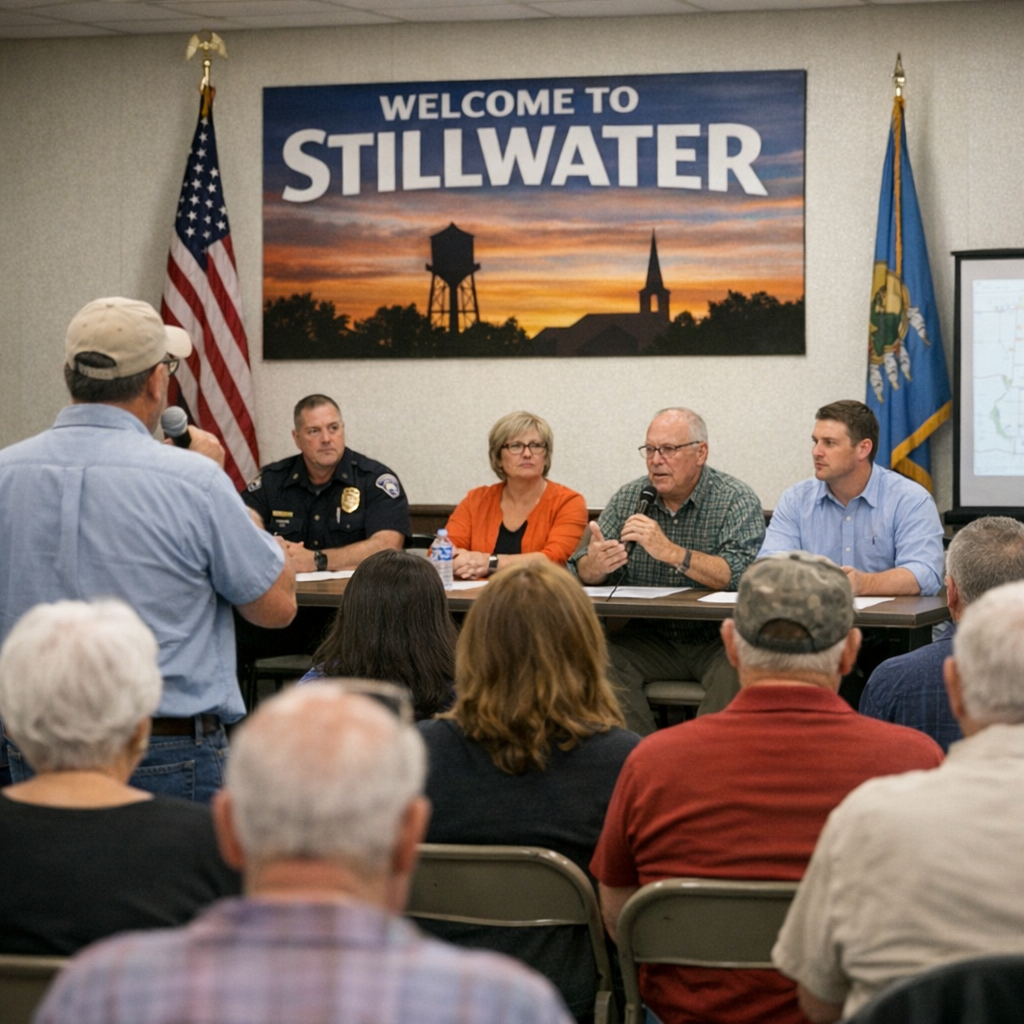
In a mid-sized community like Stillwater, what gets overlooked often matters just as much as what’s in the spotlight. Recently, the Stillwater Community Foundation asked more than 400 residents what they felt was working—and where we need to do better. The responses paint a portrait of aspirations rooted in both care for neighbors and pride in place.
Voices Point Toward Key Priorities
When asked to name what needs the most attention, respondents’ top concerns included affordable housing and better mental health services. These didn’t just show up as numbers in charts—they came attached to personal stories. Homeowners spoke of rising property taxes. Renters worried about monthly costs outpacing wages. Families reached for resources when mental health took a turn, only to find limited access.
Beyond those, still prominent were themes like financial security, affordable healthcare, access to reliable childcare, and support for aging community members. The survey made clear that while some systems work, many consistently stress families already stretched thin.
Maintain Before Building the New
One of the most consistent messages: the community is tired of talking only about new features. Many want better sidewalks, safer streets, repaired playgrounds, and well-kept parks. It’s one thing to dream about a splash pad or sports complex; it’s another to have the benches fixed at the park we already visit, or see lighting improved on the trail we walk every evening.
Investments matter—but so does upkeep. When familiar places are well cared for, pride in the everyday becomes possible. When they are neglected, even the most beautiful ideas seem out of reach.
What Stillwater Values Most
- Schools and youth programs: Schools are consistently cited not just as service providers, but as community anchors—places that introduce children to friendship, culture, and a sense of belonging.
- Open spaces and gathering places: Our parks, riverfront, and downtown spaces are more than scenery—they’re where events happen, neighbors meet, and where silence or nature offers breath on a busy day.
- Communication and trust: There’s a call for clearer messaging from local government, more transparency, and stronger relationships between decision-makers and everyday residents.
Balancing Growth and Community Identity
Stillwater is evolving. Plans like the 2040 Comprehensive Plan set long-term goals for land use, development, and natural resource protection. These plans name issues—housing, infrastructure, transportation—that demand strategy and care. But structure-only planning isn’t enough without hearing what individuals experience day to day.
Growth brings opportunity. More businesses, jobs, and amenities are positive if they serve residents—not just visitors. But many say we must grow thoughtfully, with attention to maintaining the character of neighborhoods, preserving walkability, protecting green spaces, and ensuring infrastructure keeps pace.
How We Move Forward Together
Change starts with listening, then acting. Here are some ideas worth considering:
- Engage more residents in planning conversations—especially longtime locals, renters, non-homeowners, and young people whose voices are often under-heard.
- Set aside budgets for maintaining existing parks, sidewalks, and public infrastructure—to preserve what we love.
- Expand mental health and healthcare access through local public-private partnerships; consider mobile or community-based services.
- Encourage mixed-income housing options and affordable rental developments to prevent displacement.
- Communicate early and often: Let people know what city charts are proposed, where property tax dollars go, and how feedback shapes decisions.
What Stillwater residents seem to agree on is this: we want to belong. We want our streets, parks, schools, and services to support us, not just inspire postcards. Looking ahead, it’s the small steps—fixing what’s broken, caring for what’s here—that will preserve the sense of home we value so deeply.