

By Michael Williams
I’ve lived in Stillwater long enough to know that what draws people here isn’t just the historic buildings, or the big, graceful river. It’s something quieter—shared experiences, small kindnesses, local moments that are part of everyday life. As the town grows and changes, I’ve been thinking about what helps Stillwater feel like home. These are the voices I hear in my own yard, the stories others have shared, and the things I believe matter.
Belonging beyond the Old Brick and Riverfront
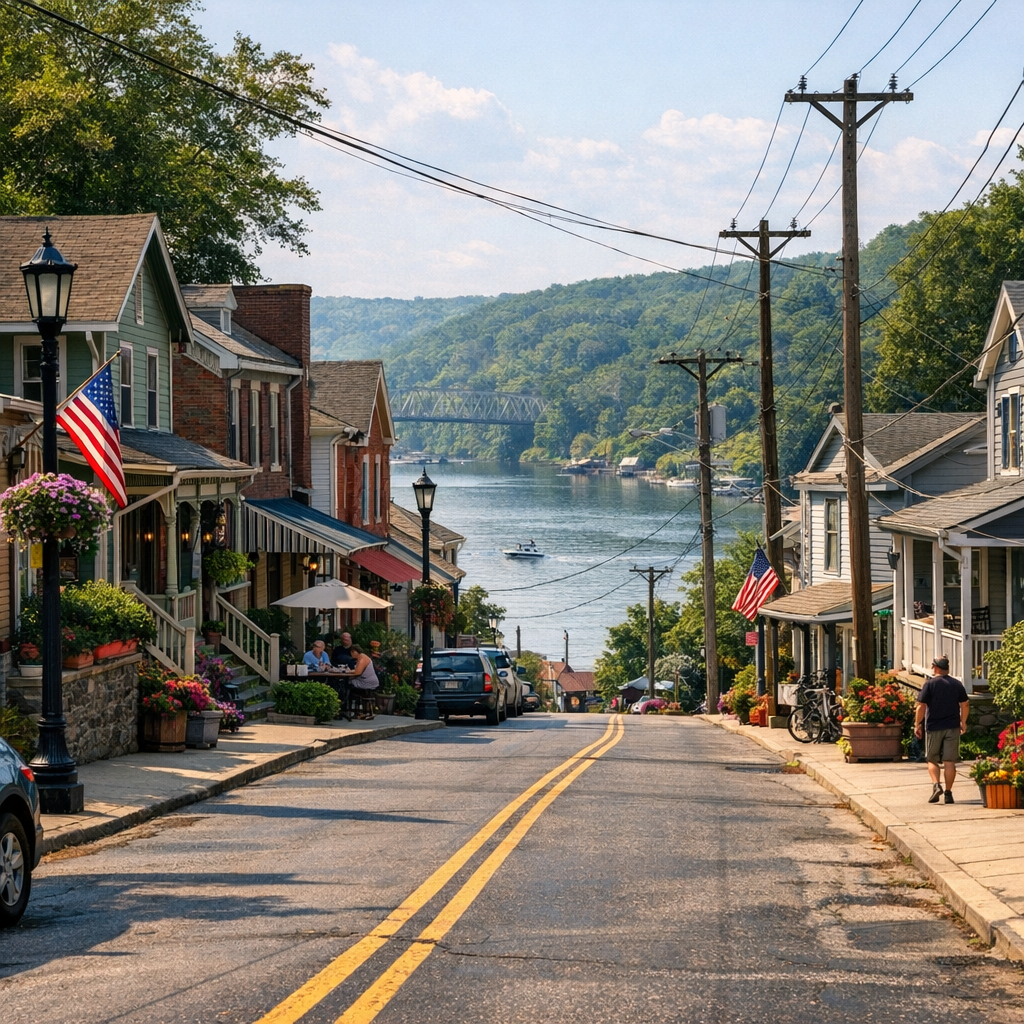
Stillwater is beautiful. It has history—lots of it—dating back to its early days as a lumber town, the territorial convention that helped lead to Minnesota’s statehood, and buildings that tell stories of lives lived by the St. Croix River. The lift bridge, the courthouse, the old mills: each with a character all their own. But beauty and history alone don’t build belonging. It’s in day-to-day life—friendly “good mornings,” neighbors quietly pulling weeds, local kids waving across yards.
I’ve talked to people who moved here for the charm and stayed for the people. Others who grew up here and only realized how rare the feeling was when they left for school or work elsewhere. What sticks out is the desire to belong—not just to be a visitor passing through old storefronts, but to be part of what Stillwater *is becoming.
Challenges and the Heart of Community
Like many towns with rich tourism appeal, Stillwater faces tensions: balancing growth with preservation, tourists with residential peace, new neighbors with longtime ones. There are debates about housing costs, traffic in downtown, pedestrian access, and what sort of development “fits” with our character. These issues don’t have easy solutions, but what I’ve learned is that listening is a start.
Stories from people who live in neighborhoods like South Hill, or near the river, or just off Main Street, often center on subtle things: shade trees being cut down, parking flooding when there’s an event, not enough spaces in local services. These stories matter. When local voices are heard—and when they see their concerns reflected in city planning, in decisions about construction, transit, and landscaping—the sense of belonging strengthens.
Shared Rituals and Passing It On
Stillwater has festivals, concerts by the river, café patios, foot traffic downtown, and quiet Sunday mornings walking the riverfront trail. These are rituals for many—annual, weekly, even daily—that connect us. I’ve shared coffee with folks talking about “Summer Tuesdays,” or stopping by a local shop just to say hello. Those small, shared moments weave into a collective story.
And then there’s the newer additions: folks who’ve moved from the Twin Cities or elsewhere, seeking a gentler pace or a more grounded lifestyle. They bring new ideas, different backgrounds. When those new neighbors are welcomed—offered invitations to local clubs, introduced around, asked for their ideas—our community becomes richer. Traditions evolve while preserving roots. That’s how we ensure Stillwater’s story includes everyone.
What Home Could Be—If We Choose It Together
Imagine a future of Stillwater where development consciously respects neighborhood voices, where sidewalks are walkable, green spaces are preserved, and public events are managed in ways that support both businesses and residents. Where being a new neighbor or someone born here matters less than being part of something together.
I believe that makes a place more than a destination. It makes it home. Building that kind of community comes through listening, through care, through recognizing that shared values matter just as much as shared history. If we want Stillwater to stay vibrant, to stay welcoming, we each have a role—quiet or loud—in writing this shared story.