

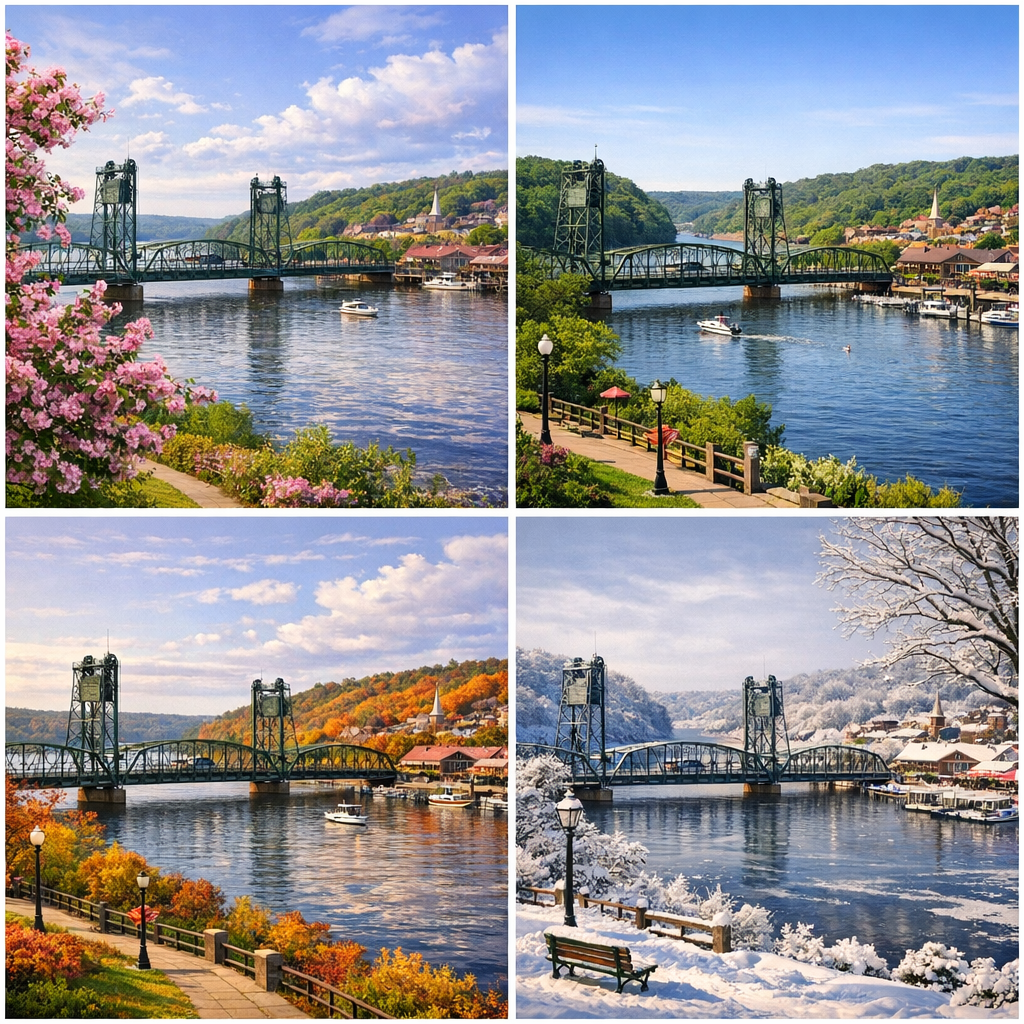
I’m James Larson, bringing you a look at how weather and environment are quietly transforming life here in Stillwater—and what we can all watch for in the seasons ahead.
Rising Temperatures, Especially in Winter
Over the past century, Minnesota has warmed by just over 3 °F on average; winters have warmed more than summers, and nighttime lows have increased faster than daytime highs. Winters in places like Stillwater are trending milder, with fewer days of deep cold and less frequent subzero lows. Spring now tends to arrive earlier, and autumn lingers longer into November. These patterns are well‐documented across the state.
More Extreme Precipitation—and Wetter Springs
Rainfall is growing more intense. Where seasons once brought regular, gentle rain, extreme downpours—especially storms that drop several inches at once—are becoming more common. Alongside those heavy rains, spring is getting wetter overall, while summers are at risk of becoming drier in periods, or seeing rapid swings between drought and deluge. It’s a change that matters for everything from road safety to garden health.
Environmental Shifts: Trees, Wetlands, Wildlife
Warmer, wetter winters and shifting precipitation patterns are cascading into environmental changes. Some northern tree species—like paper birch and balsam fir—are struggling, while species more suited to warmer climates may spread northward. Wetlands, too, are under strain: as seasons shift and hydrology changes, wetlands may dry out more often, losing their ability to filter water, buffer floods, or host wildlife that depends on consistent moisture.
Invasive Species and Ecosystem Stress
New weather norms are helping invasive plants and pests gain a foothold. In Minnesota, species like emerald ash borer and nonnative aquatic plants are challenging native ecosystems. Climate‐induced stress—trees weakened by inconsistent moisture, for example—can make it easier for invasives to outcompete homegrown species, altering forest understories, affecting wildlife, and reducing biodiversity.
What Stillwater Residents Can Do
- Keep rain gardens, rain barrels, and native planting in mind—these help manage increased runoff and support moisture during dry stretches.
- Watch trees: planting and protecting species suited for changing conditions will help maintain canopy cover.
- Support wetland protection and restoration efforts—whether local ordinances or volunteer projects—which play a key role in health of waterways and flood mitigation.
- Stay informed: many state agencies share localized climate or weather trend maps. Even simple changes in your own yard or observations of shifting arrival of birds or blooms can highlight the broader shifts.
These changes won’t happen overnight, but by keeping an eye on our climate’s evolving patterns, Stillwater can adapt and help build a resilient future. Together, we can make mindful choices that protect our environment, now and for generations ahead.