

By Liam Anderson
Labor Market Momentum & Inflation Pressure
The U.S. economy added some 162,000 jobs in August, a rebound that surprised many economists and refocused attention on inflation. Though hiring has stepped up lately, it’s still shy of the stronger growth seen in previous years. Borrowing costs and inflation—especially in consumer prices—continue to be central concerns. These economic trends are likely to influence both policy decisions in Washington and voter sentiment as the country heads toward the midterm elections.
Central to these discussions is the Federal Reserve’s challenge: how to balance interest rates in a way that cools inflation without derailing economic growth. Wages are rising more modestly, and sectors like housing remain under strain, while consumer frustration over high prices—particularly for healthcare, housing, goods, and energy—remains widespread.
Supreme Court Moves Expand Executive Authority
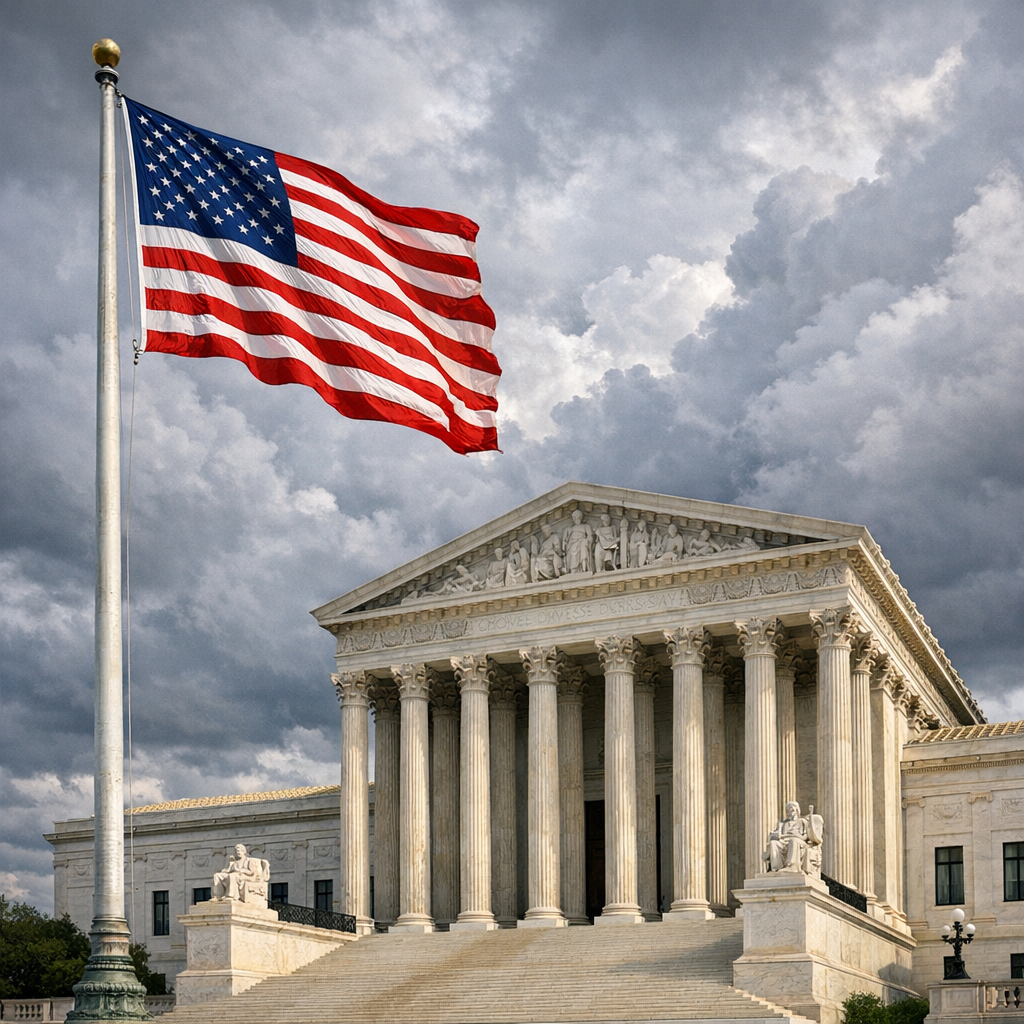
The Supreme Court has issued several rulings that broaden presidential power over federal agencies. One landmark case overturned long-standing legal constraints requiring presidents to show cause before firing certain agency heads. Another ruling weakened limits on political parties’ coordination with candidates, especially around spending for campaign ads.
At the same time, the Court rejected some of the Trump administration’s more expansive proposals, including efforts to change birthright citizenship unilaterally, and initiatives involving tariff authorities and National Guard deployments. These legal decisions are reshaping federal power dynamics and setting precedents that will matter beyond any single presidency.
Politically Charged Deadlines: Immigration and Midterm Stakes
Immigration policy remains a flashpoint. The Supreme Court allowed the administration to end Temporary Protected Status for Haitians and Syrians, affecting many people currently shielded from deportation. Other court rulings have curtailed the use of nationwide injunctions (which had allowed single judges to block federal policies nationally), underscoring the growing importance of legal avenues into policy battles.
Meanwhile, issues like immigration, national security, and energy are emerging as key influencers in the upcoming midterm elections. With control of Congress and state governments at play, voters are increasingly focused on how national leadership addresses crises that cut across borders—be they economic, humanitarian, or legal.
The Public Mood & Trust in Institutions
Underpinning many of these developments is a broader erosion of confidence. Surveys show that most Americans believe the economy is in poor or only fair shape, and discomfort with the direction of national policies—on health care, public spending, and equality—remains high.
Trust in government institutions, including the courts and Congress, also remains low. As legal rulings shift the balance of power between branches of government, public opinion may increasingly shape which policy paths seem feasible and electable.