

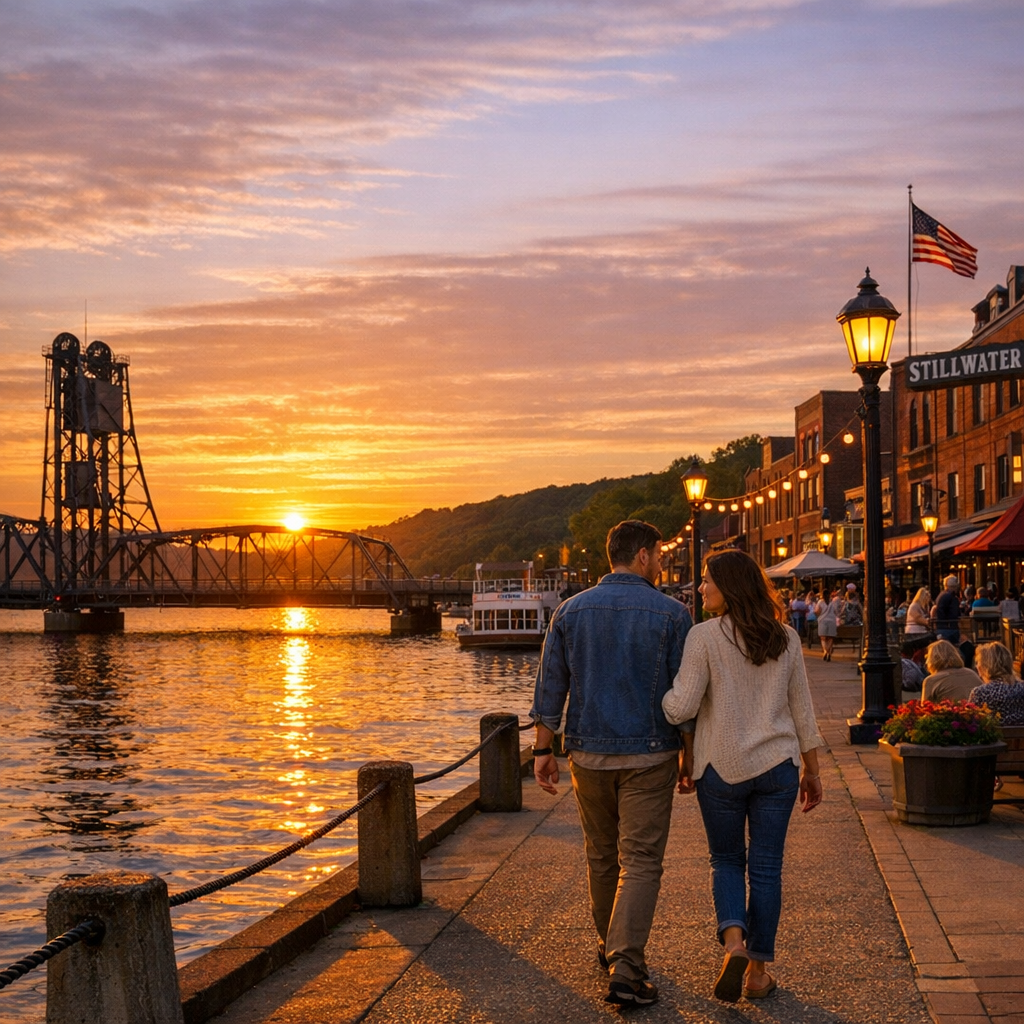
Stillwater isn’t just a postcard or a tourist stop—it’s a place people call home. What stands out when you listen to locals? It’s beautiful views, active community life, and conversations about what could be better. Here’s what residents are telling us.
What residents value
One thing nearly everyone agrees on is that Stillwater’s beauty and natural surroundings are major perks. The St. Croix River, biking and walking trails, parks tucked into hillsides—all of them offer daily reminders that nature is never far away. The downtown area—with historic architecture, river views, boutiques and eateries—also gets frequent praise as a place where familiar faces mix with regular activity. Amenities aren’t far off, either: folks say schools are strong, and even people who’ve moved here report that they found the pace, the small-town feel and the sense of pride in community, worth the trade-offs.
What people struggle with
But Stillwater isn’t without its challenges. Tourism brings crowds—especially downtown and along the river. What’s fun as a visitor is sometimes frustrating for someone who lives here year round: parking is harder, traffic spikes, and peaceful weekends get noisier.
There are also conversations—some heated—about affordability. Housing prices and rent are rising, and that puts pressure on long-time residents, newcomers, retirees, and young families. The downtown rental market, in particular, feels strained. Another concern is that, despite its charm, Stillwater may be less diverse than many wish. Discussions about how welcoming people feel—across race, identity and beliefs—come up in neighborhood groups and online forums. Some have said they feel accepted; others point to quiet exclusion or uneven social comfort.
What we’re talking about doing
Even amid the frustrations, there’s energy and engagement. People are showing up for meetings: school board, city council, and public forums get filled with attendees sharing suggestions—about housing, about managing growth, about promoting equity. There’s growing awareness that maintaining the character of downtown, while improving resident quality of life, takes balancing priorities: preserving walkability, managing noise, and planning for future growth.
Practically, folks are voicing interest in improving public transit or walkability, making housing more affordable, increasing local businesses that reflect community diversity, and making sure public space investments have residents—not just visitors—in mind. Dialogues over who these places are for—what still belongs to residents versus what is built for tourism—seem especially alive.
Why all this matters
Local voices aren’t just chatter—they shape what Stillwater becomes. When residents feel heard, the city grows in ways that work for more of us. When concerns over affordability or inclusion go ignored, it’s more than unfair—it erodes connection, shuts some people out, and risks turning living here into watching a postcard.
So yes, let’s talk. Tell stories, share perspectives, listen beyond familiar circles. Because this conversation—about what makes Stillwater special, where we need improvement, and how to grow wisely—is what keeps Stillwater our home.