

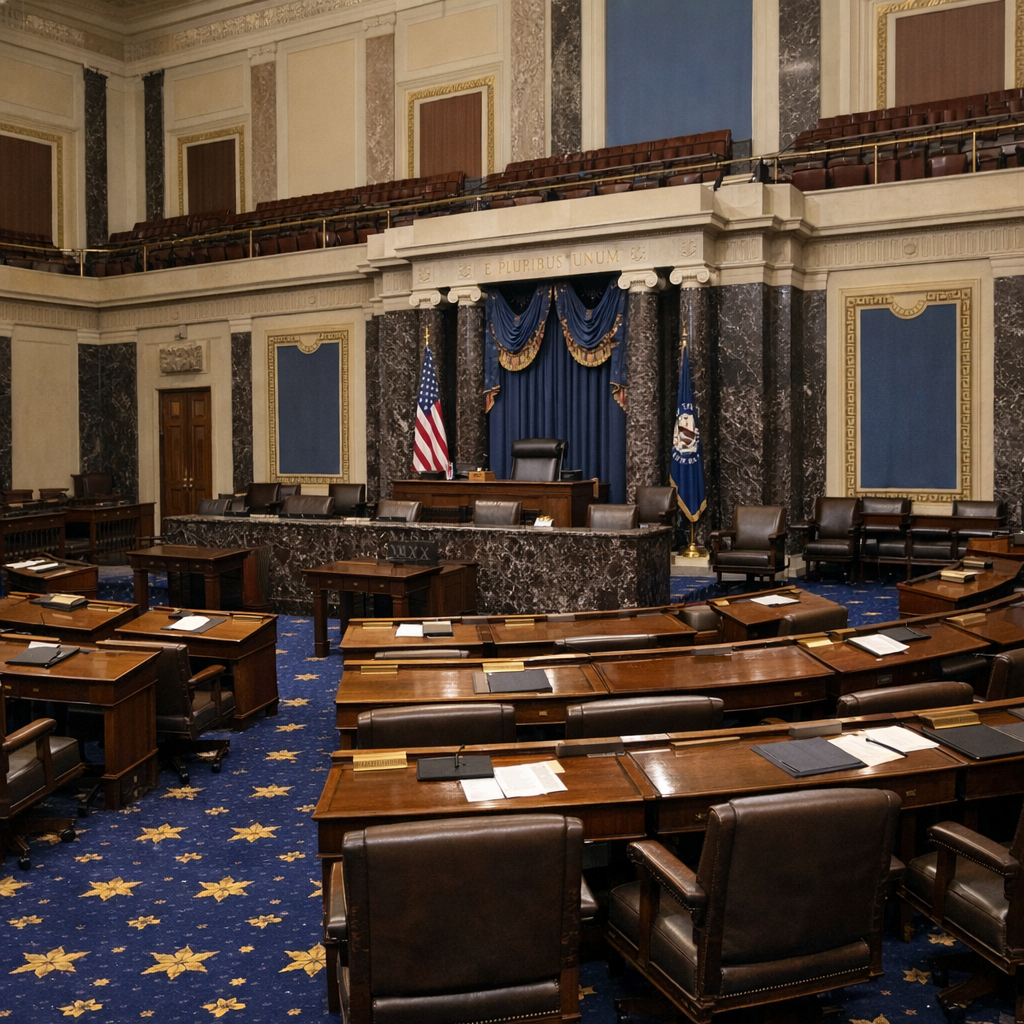
When a U.S. Senate seat becomes vacant due to resignation, death, or other reasons, the process for filling the vacancy varies by state. Generally, there are two primary methods: gubernatorial appointment and special election.
Gubernatorial Appointment
In many states, the governor has the authority to appoint a temporary replacement to serve until the next scheduled election. This appointment process allows for the swift filling of the vacancy, ensuring that the state’s representation in the Senate continues uninterrupted.
Special Election
Some states require a special election to fill the vacancy. This election is typically held within a specified timeframe after the seat becomes vacant. The winner of the special election serves for the remainder of the original term.
State-Specific Procedures
Each state has its own laws governing the process. For example, in South Carolina, the governor appoints a replacement who serves until the next general election, at which point a special election is held to fill the seat for the remainder of the term.
Implications for Representation
The method chosen can have significant political implications, potentially affecting the balance of power in the Senate. Appointments can lead to shifts in party representation, while special elections provide voters with the opportunity to select their preferred candidate.
Understanding these processes is crucial for citizens to stay informed about their representation in Congress and the mechanisms that ensure continuous governance.