

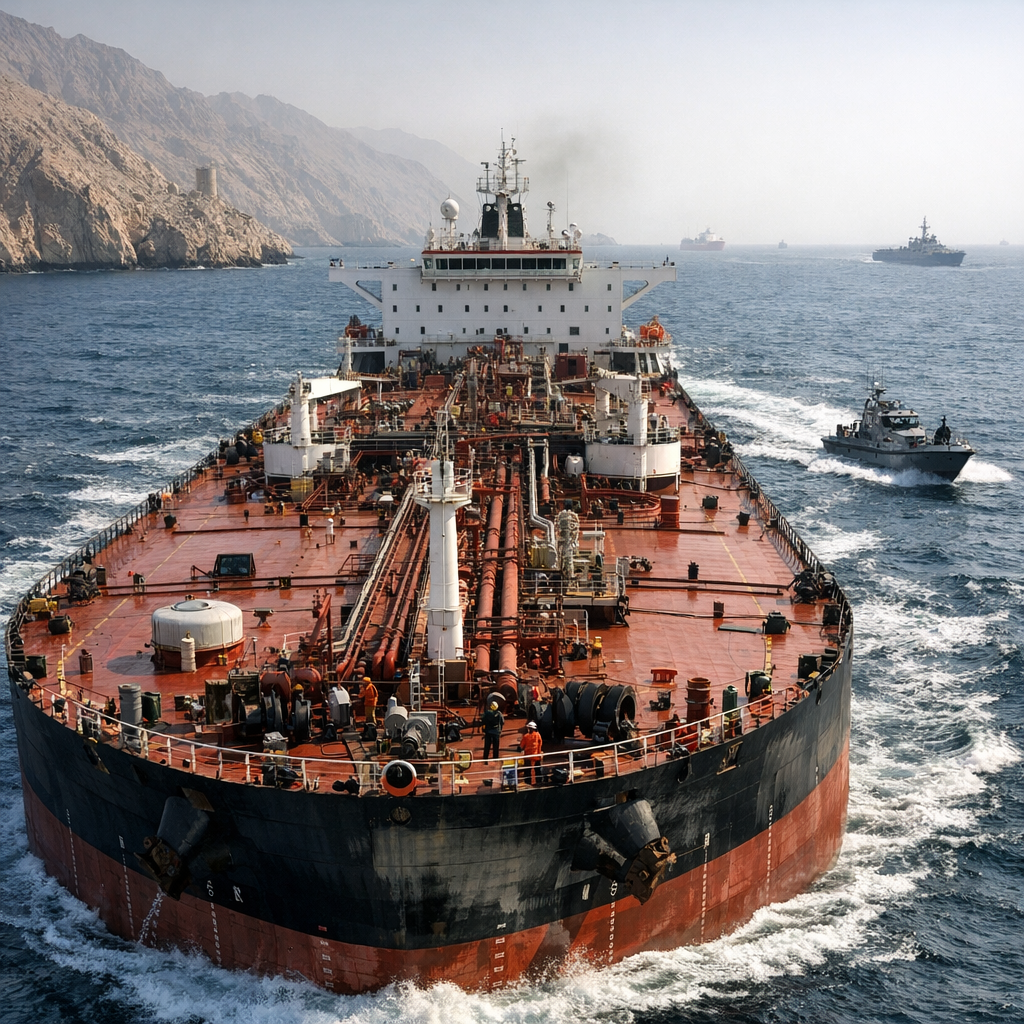
Recent developments have seen the United States and Iran reach a significant agreement aimed at easing tensions and reopening the Strait of Hormuz. This strategic waterway is crucial for global oil transportation, and its reopening is expected to have far-reaching effects on international markets and local economies.
Key Aspects of the Agreement
The agreement focuses on de-escalating military confrontations and lifting certain economic sanctions. A primary outcome is the anticipated increase in oil exports from Iran, which could lead to a decrease in global oil prices. This development is particularly relevant for consumers and businesses that rely on fuel and petroleum products.
Potential Economic Impact
With the Strait of Hormuz reopening, the global oil supply is expected to stabilize, potentially leading to lower fuel prices. This change could benefit industries dependent on transportation and logistics, as well as consumers who may see reduced costs at the gas pump.
Local Implications
For communities like Stillwater, Minnesota, the ripple effects of this international agreement could manifest in various ways. Lower fuel prices may reduce operational costs for local businesses, particularly those in transportation and manufacturing sectors. Additionally, consumers might experience savings on energy expenses, contributing to increased disposable income and potential economic growth within the community.
Looking Ahead
While the agreement marks a positive step toward stability, its long-term success will depend on sustained diplomatic efforts and adherence to the terms by all parties involved. Local communities should stay informed about these developments, as global events can have direct and indirect impacts on our daily lives.