

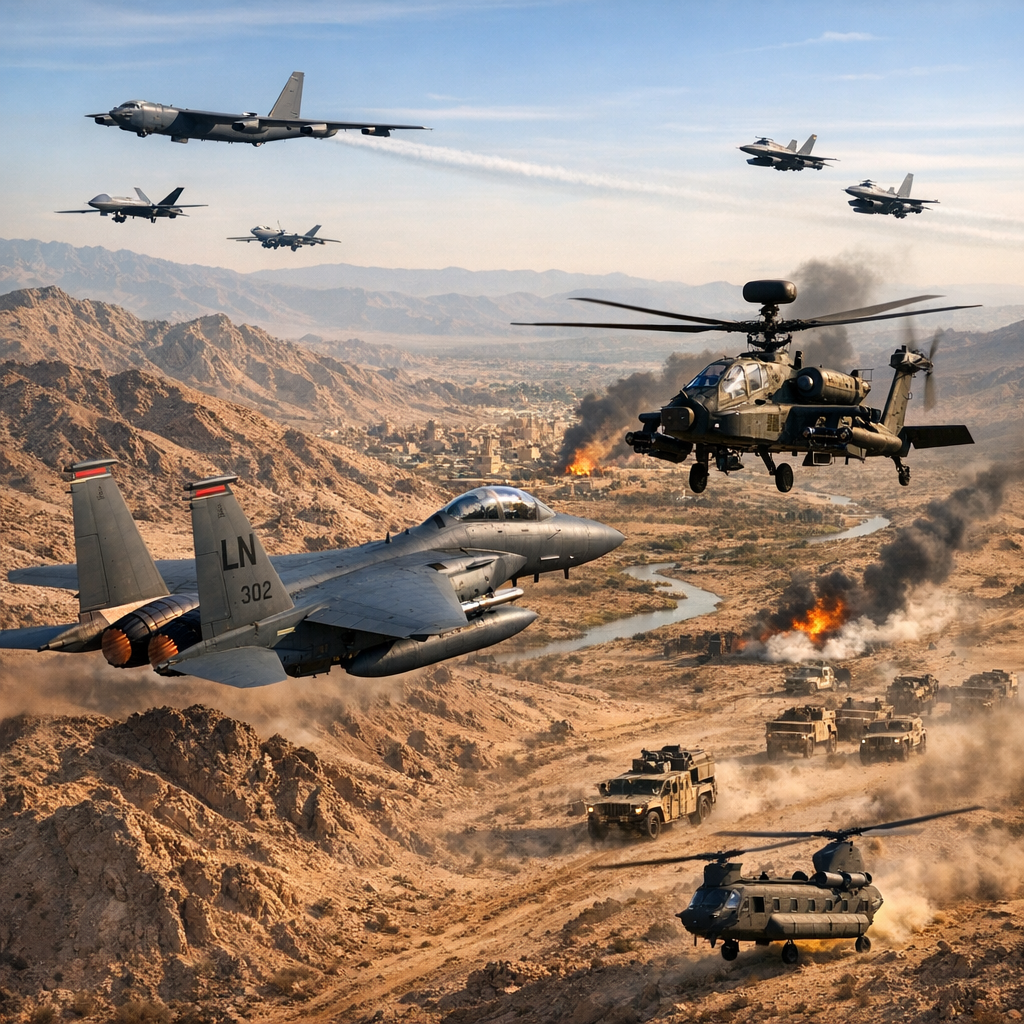
In recent developments, the United States has conducted military strikes against Iran, signaling a significant shift in foreign policy and military strategy. These actions have raised questions about the motivations behind the strikes and their potential consequences.
Background of the Strikes
The U.S. military initiated these strikes following a series of incidents attributed to Iranian forces, including attacks on oil tankers in strategic waterways. The decision to engage militarily was presented as a response to these provocations, aiming to deter further aggression and protect international shipping lanes.
Implications for International Relations
The military actions have elicited varied reactions from the international community. Allies have expressed support for measures ensuring maritime security, while some nations have called for restraint to prevent escalation. The situation underscores the delicate balance of power in the region and the complexities of diplomatic relations.
Domestic Perspectives
Within the United States, opinions are divided. Some citizens view the strikes as necessary to uphold national security and international order. Others are concerned about the potential for prolonged conflict and advocate for diplomatic solutions. The discourse reflects broader debates about the U.S. role in global affairs and the use of military force.
Looking Ahead
As the situation develops, it is crucial to monitor the outcomes of these military actions and their impact on regional stability. Continued dialogue and analysis will be essential in understanding the evolving dynamics and ensuring informed public discourse.