

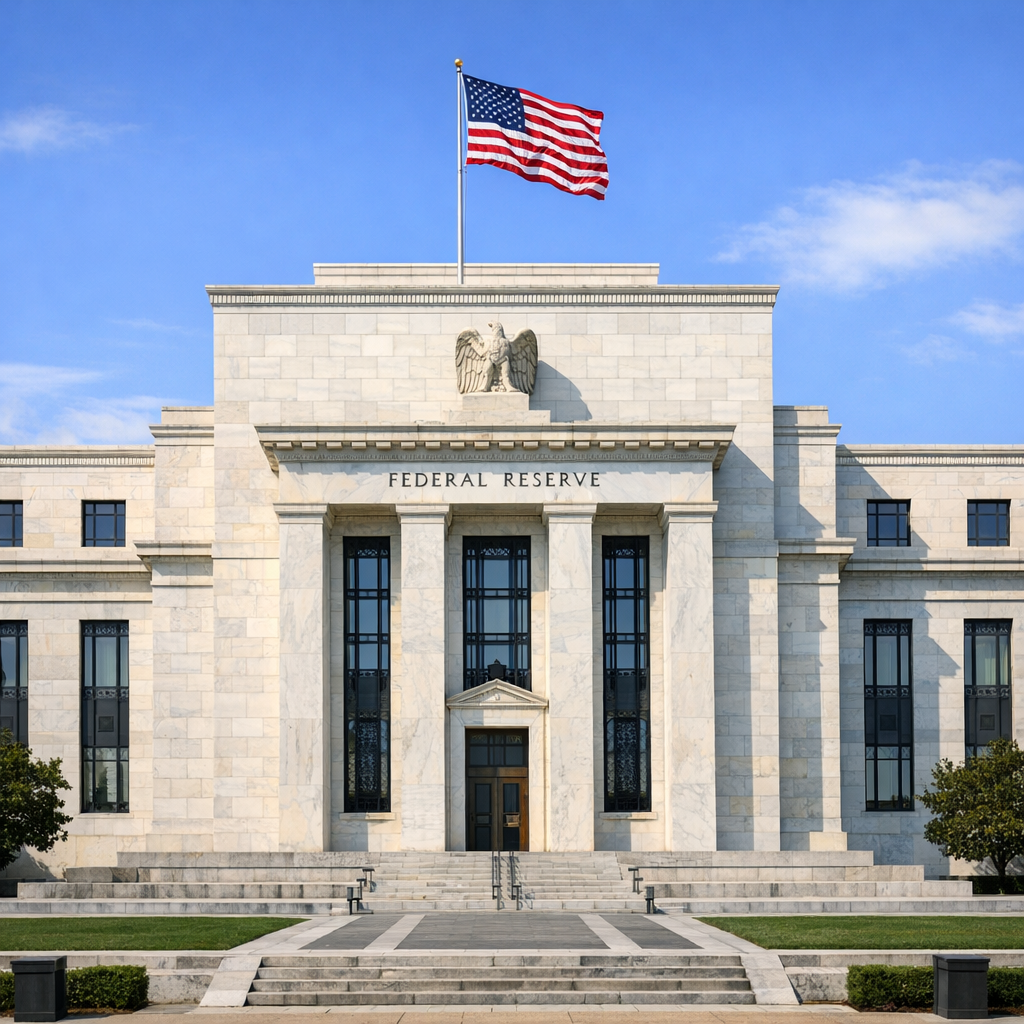
Inflation, the rate at which the general level of prices for goods and services rises, eroding purchasing power, is a critical concern for economies worldwide. In the United States, the Federal Reserve (the Fed) plays a pivotal role in managing inflation to ensure economic stability.
What Is the Federal Reserve?
The Federal Reserve is the central banking system of the United States, established in 1913. Its primary objectives include maximizing employment, stabilizing prices, and moderating long-term interest rates. By adjusting monetary policy, the Fed influences economic activity to achieve these goals.
How Does the Fed Control Inflation?
To manage inflation, the Fed primarily uses the following tools:
1. Adjusting the Federal Funds Rate
The federal funds rate is the interest rate at which banks lend to each other overnight. By raising or lowering this rate, the Fed influences borrowing costs for consumers and businesses. Higher rates typically reduce spending and investment, helping to cool an overheating economy and curb inflation.
2. Open Market Operations
The Fed buys or sells government securities in the open market to influence the money supply. Purchasing securities injects liquidity into the banking system, encouraging lending and spending, while selling securities withdraws liquidity, aiming to reduce inflationary pressures.
3. Reserve Requirements
By altering the amount of reserves banks must hold, the Fed can directly impact the amount of money banks can lend. Increasing reserve requirements restricts lending capacity, which can help reduce inflation.
Recent Actions and Their Implications
In response to persistent inflation, Federal Reserve Governor Lisa Cook indicated a readiness to raise interest rates if inflation does not abate. This stance underscores the Fed’s commitment to its inflation targets and signals potential shifts in monetary policy to address economic conditions.
For residents of Stillwater, Minnesota, and across the nation, understanding the Fed’s actions is crucial. Changes in interest rates can affect mortgage rates, savings yields, and overall economic growth, influencing personal financial decisions and local economic health.
Conclusion
The Federal Reserve’s management of inflation is a balancing act aimed at fostering a stable economic environment. Staying informed about the Fed’s policies can help individuals and businesses make better financial decisions in an ever-changing economic landscape.