

The U.S. economy has demonstrated resilience and growth in recent months, with several key indicators reflecting this positive trajectory.
Gross Domestic Product (GDP) Growth
In the first quarter of 2026, the economy expanded at an annualized rate of 1.6%, marking a rebound from the previous quarter’s 0.5% growth. This uptick was driven by increases in exports, investments, consumer spending, and government expenditures. However, imports also rose, which can offset some of these gains.
Employment Trends
The labor market has shown significant improvement. In May 2026, the economy added 172,000 jobs, surpassing economists’ expectations. This surge indicates robust employer confidence. The unemployment rate has remained steady at 4.3% for three consecutive months, suggesting stability in the job market.
Inflation and Consumer Prices
Inflation has been a point of concern, with the Consumer Price Index (CPI) rising by 0.9% in March 2026. This increase is partly attributed to energy price shocks stemming from geopolitical events. The Federal Reserve continues to monitor these developments closely to manage inflationary pressures.
Stock Market Performance
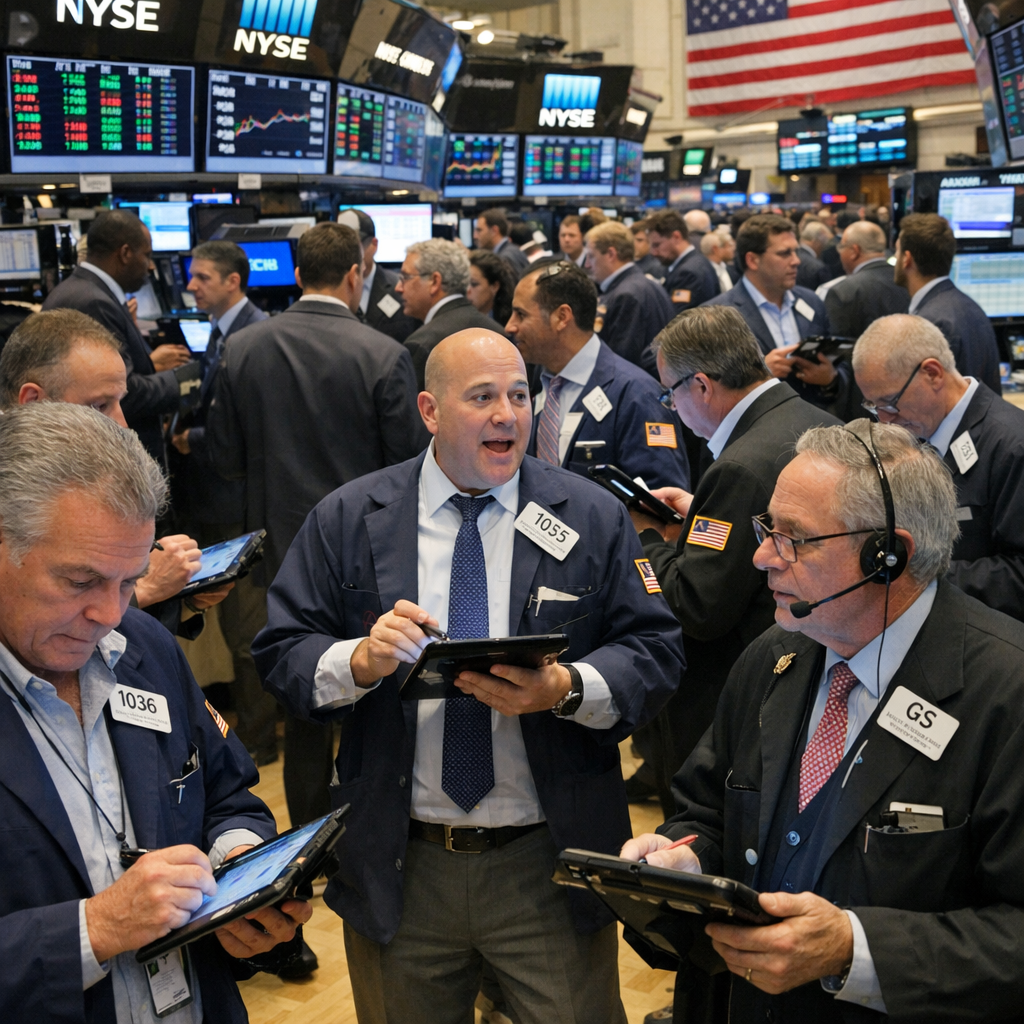
Major stock indices have experienced fluctuations. For instance, the SPDR S&P 500 ETF Trust (SPY) recently closed at $737.55, down 2.61% from the previous close. Similarly, the Invesco QQQ Trust Series 1 (QQQ) closed at $705.06, a decrease of 4.77%. These movements reflect market responses to economic data and global events.
Understanding these economic indicators is crucial for both policymakers and the public, as they provide insights into the nation’s financial health and inform future economic strategies.