

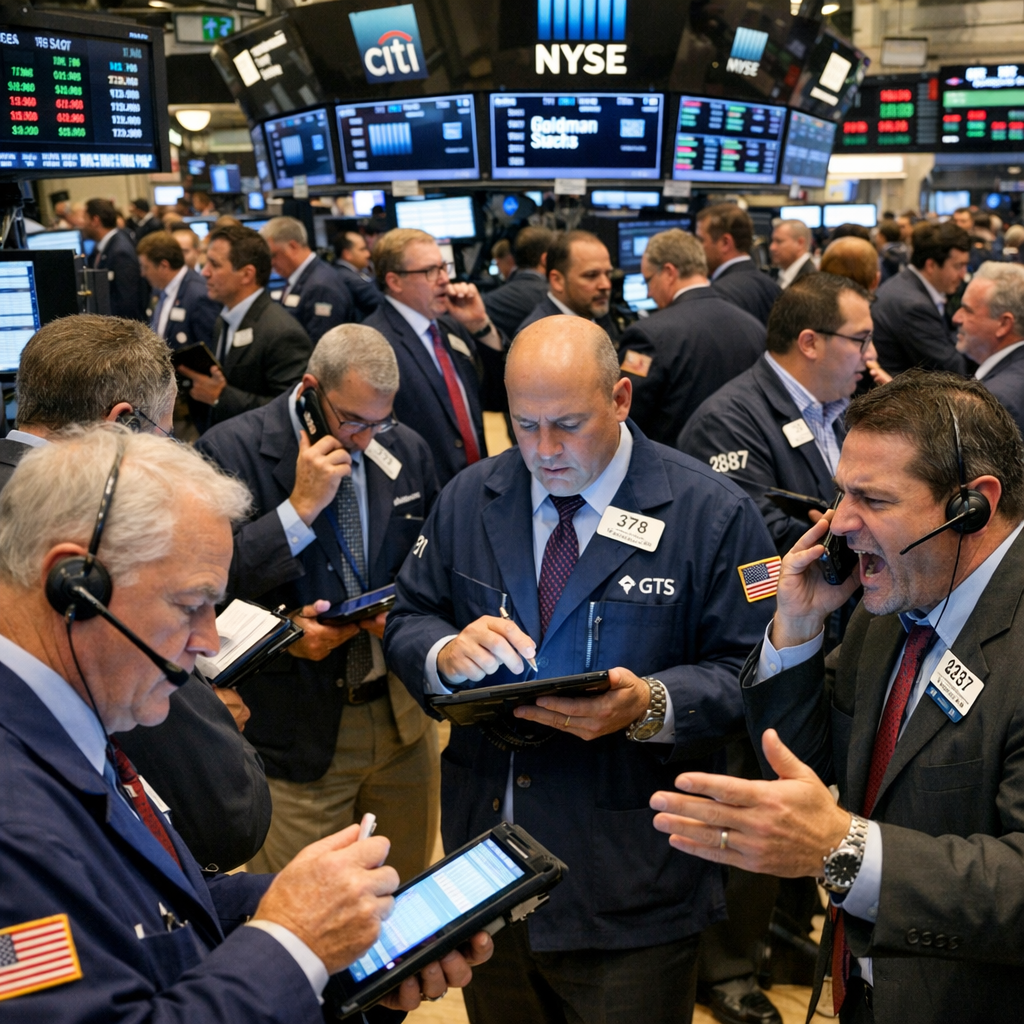
The U.S. economy has experienced significant fluctuations in recent years, marked by periods of growth and challenges. Understanding these dynamics is crucial for grasping the nation’s current economic landscape.
Economic Growth and Employment
Following the recovery from the COVID-19 pandemic, the U.S. economy demonstrated resilience. In 2021, it grew by 5.7%, the most substantial increase since the 1980s. This growth was accompanied by a decline in the unemployment rate, which stood at 4% in January 2025.
Inflation Trends
Inflation has been a prominent concern. Between 2021 and 2022, the Consumer Price Index saw a significant surge, reaching a 41-year high in June 2022. By April 2023, inflation had moderated to 4.9%, still above the Federal Reserve’s target of 2%. By September 2025, inflation further decreased to 2.9%, despite concerns about tariff policies potentially impacting consumer prices.
Public Perception
Public sentiment reflects these economic shifts. A May 2024 survey indicated that only 23% of U.S. adults viewed the economy as being in excellent or good shape, a slight decrease from earlier in the year. Inflation remains a top concern, with 62% considering it a very big problem for the country.
Policy Measures
In response to economic challenges, various policy measures have been implemented. For instance, the Fiscal Responsibility Act of 2023 aimed to avert a potential debt crisis by restricting certain spending and imposing new requirements on aid programs. Additionally, efforts have been made to address healthcare costs, including initiatives to allow Medicare to negotiate drug prices and cap insulin costs.
Understanding these factors provides insight into the complexities of the U.S. economy and the challenges policymakers face in fostering sustainable growth and stability.