

By James Larson
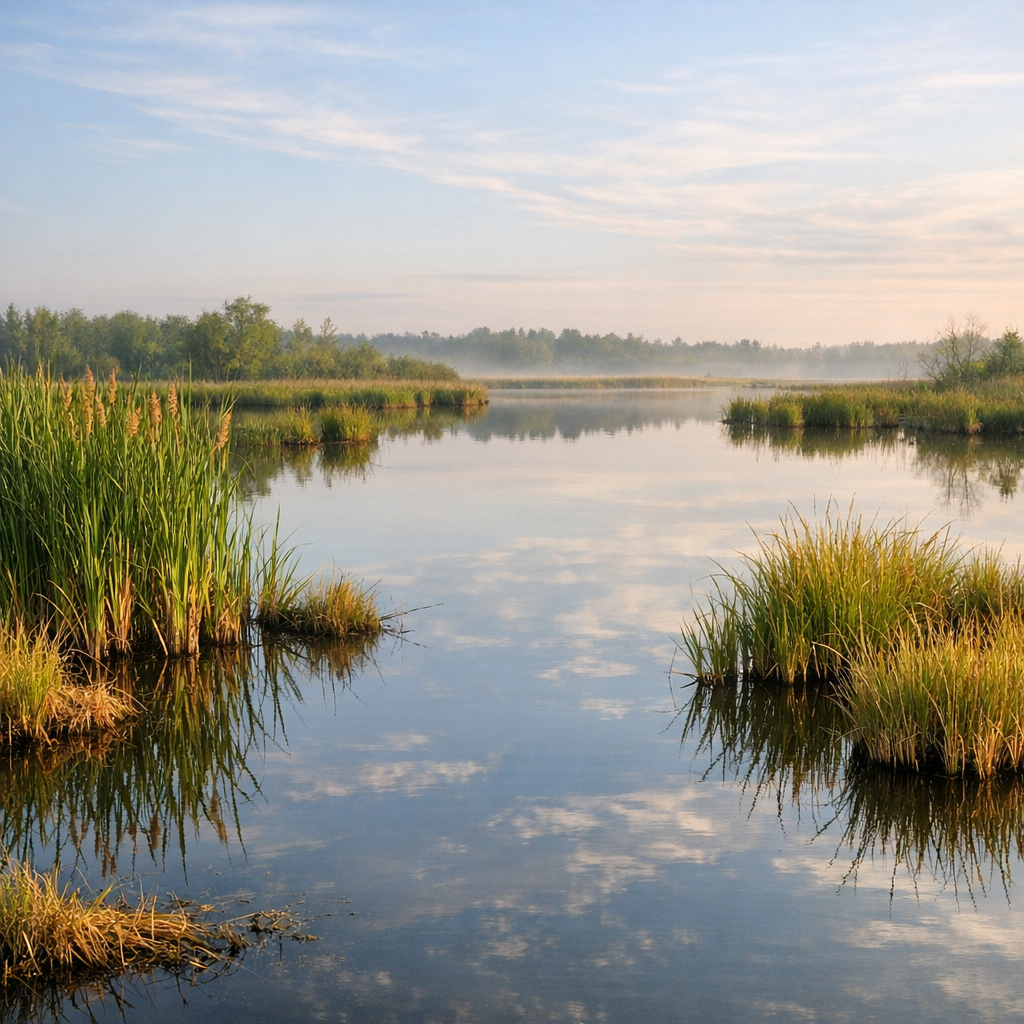
Wetlands around Stillwater might seem like serene natural backdrops, but they’re doing heavy lifting for our landscape—filtering water, managing floods, supporting wildlife. This article breaks down what wetlands are, why they matter, current trends in Minnesota, and what protections help safeguard them.
What Counts As a Wetland?
Wetlands aren’t just swampy or saturated places. They include marshes, wet meadows, peatlands, shallow open water areas, and forested swamps. Some wetlands are submerged most of the year, others only seasonally or during heavy rains. The characteristics—soil, hydrology, vegetation—determine type. In Minnesota, there are non-forested wetlands as well as forested wet forest or swamp systems. These ecosystems function differently, but they all provide key environmental services.
Why Wetlands Matter Locally
Stillwater and Washington County benefit from wetlands in multiple ways:
- Water quality: Wetlands trap sediment and nutrients before they enter rivers or lakes, helping reduce pollution.
- Flood control: Wetlands act like natural sponges—slowly releasing water after storms or snowmelt, easing pressure on streams and infrastructure.
- Habitat and biodiversity: Many species—amphibians, migratory birds, rare plants—rely on wetland habitat for breeding, feeding, and shelter.
- Climate regulation: Peat-rich wetlands store carbon; disrupted wetlands can release CO₂, contributing to greenhouse gas buildup.
Trends and Challenges in Minnesota
Minnesota still has around 10.6 million acres of wetlands, which is more wetland area than lakes and rivers combined. Still, we’ve lost roughly half of original wetland acreage since European settlement.
Many wetlands, especially in developed or agricultural parts of the state, face degradation:
- Invasive plant species displace native vegetation in many wetlands.
- Hydrology is altered by drainage, pavement, or land development, reducing water retention and changing ecosystems.
- Nutrient pollution—especially from agriculture and urban runoff—can lead to issues like algal blooms and poor water quality downstream.
How Wetlands Are Protected
Several laws and programs aim to preserve, restore, or regulate wetlands in Minnesota:
- Wetland Conservation Act (WCA): Sets goals of “no net loss” of wetlands, regulates alterations, fills, or drainage that affect wetlands not classified as public waters. Local government units oversee many permits under WCA.
- National Wetlands Inventory (NWI) updates: GIS and aerial imagery help map wetland locations and types more accurately across the state, improving planning and policy.
- Monitoring programs: State agencies track wetland quality—looking at plant communities, macroinvertebrates, and water chemistry—to spot trends over time. Programs like the MPCA’s random sampling and volunteer-led efforts help assess how wetlands are doing.
- Regulation and permits: Activities—such as filling or draining—often require permits at federal, state, or local levels. Shoreland and floodplain rules also play roles.
What Residents Can Do
Community action can make a real difference. Here are some ways to help protect wetlands around Stillwater:
- Preserve existing wetlands—avoid filling or altering them if possible.
- Remove or control invasive plants and reestablish native wetland vegetation in smaller patches.
- Reduce pesticide, fertilizer, and stormwater runoff by using buffer plants and rain gardens near wetland edges.
- Stay informed—check local zoning/permitting before property work that might affect wetlands.
- Participate in volunteer monitoring or local conservation efforts.
Looking Forward
As climate shifts and land uses evolve, wetlands will be pressed in new ways—unpredictable rainfall, warmer winters, changing hydrology. Maintaining maps and data, strengthening protections, and involving citizens will be essential. For Stillwater, safeguarding our wetlands preserves not just beauty, but resilience—ensuring clean water, wildlife habitat, and flood buffers endure for future generations.