

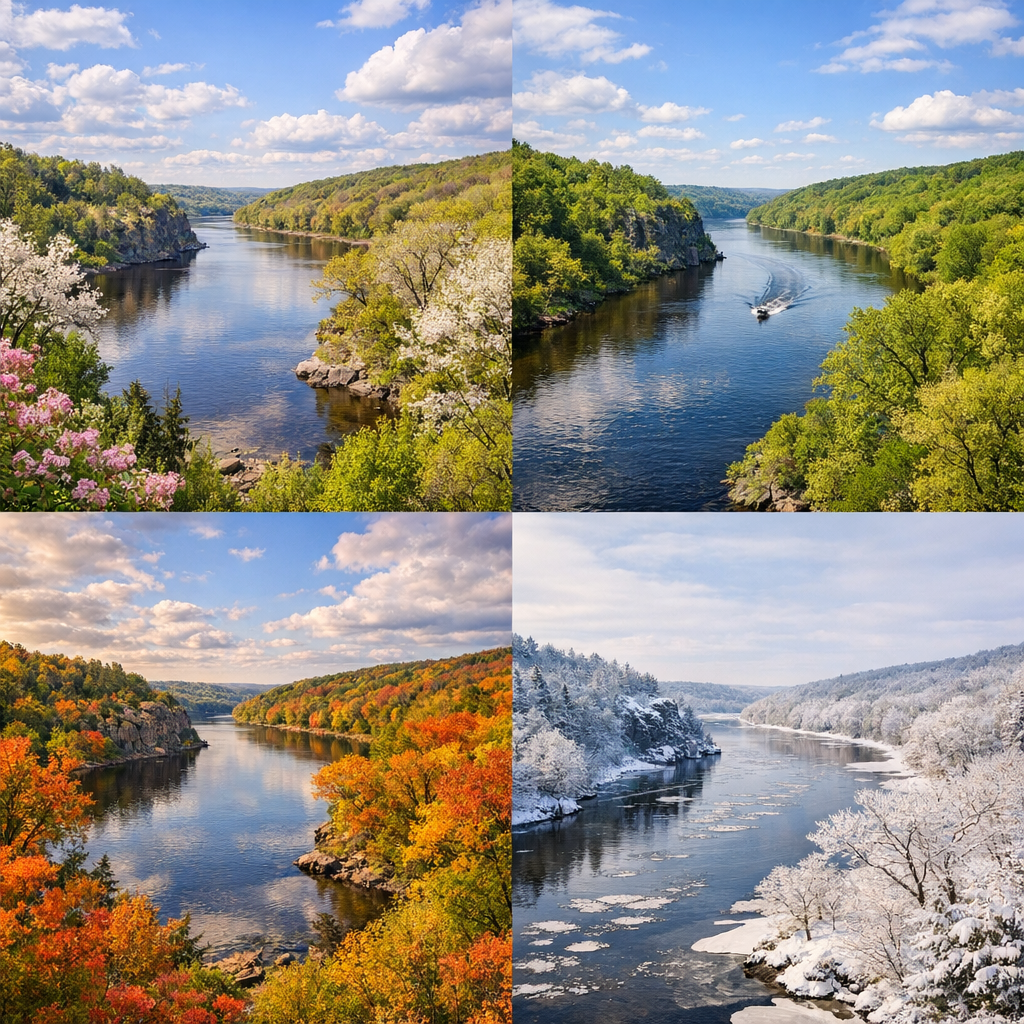
Here in Stillwater, the weather and environment are quietly changing—and it matters. From temperature shifts to precipitation patterns, local data points toward a broader transformation unfolding in our climate. Here’s what the facts say, how they impact daily life and the natural world, and what residents can do.
Climate Trends in Stillwater
Temperature Is Rising—Especially at Night and in Winter
Over the past decades, Stillwater has seen a clear increase in average temperatures, a trend consistent with statewide and global warming patterns. The thermal amplitude—the difference between our coldest and warmest months—remains wide, but both daily lows (especially in winter) and daily highs are creeping upward. Winters are warming faster than summers. For example, average low temperatures during winter months have risen notably in recent decades, reducing extremes of cold.
Precipitation Patterns Are Shifting
Summers remain our wettest period, with June typically delivering the most rainfall of the year. Meanwhile, winters are becoming drier relative to past norms. However, what’s striking is the increased frequency of heavy precipitation events—short bursts of intense rain—that can challenge stormwater systems and soil health. The number of dry days between such events may increase, stressing landscapes and water supplies.
Growing Season Is Getting Longer
The time between the last spring frost and the first fall frost—our effective season for gardening, farming, and outdoor growth—is expanding. Historically, Stillwater’s last spring frost falls near April 28, while the first frost often arrives around October 13. That gives us a growing period of approximately 140–170 frost-free days. Though dates vary year to year, the recent trend leans toward more days suitable for vegetation growth.
What These Changes Mean for Stillwater
For Agriculture, Gardens, and Green Spaces
Longer growing seasons offer opportunities for local farmers and gardeners to try new crops or add extra harvests—but they also mean warmer heat stress, more pest and disease pressure, and potential for drought between rainstorms. Planning planting dates carefully using local frost data will become more important than ever.
For Waterways and Stormwater Management
Warmer winters with less consistent snow cover alter spring runoff patterns, potentially increasing erosion and flooding risks along St. Croix River and tributaries. In summer, intense rainfall events can overwhelm drainage systems, causing stormwater runoff that carries pollutants into local creeks and rivers.
For Local Ecology and Public Health
Shifts in temperature and moisture affect natural ecosystems. Warmer winters may favor invasive species and shift the composition of native flora and fauna. Increased humidity and summer rainfall may heighten risks of mold or mosquito-borne illness. For public health, less cold means fewer very cold-related risks, but heat waves and poor air quality become more concerning.
Steps Residents Can Take
- Track local frost dates before planting or landscaping—it helps with planning for gardens, spring blooms, and managing invasive or native species.
- Choose resilient plants that tolerate heat, drought, or occasional flooding. Native species often offer adaptability.
- Improve rainwater handling by using rain gardens, downspout diverters, and permeable surfaces to reduce runoff.
- Stay informed by following Minnesota’s climate trends programs, local weather services, and DNR updates.
These changes won’t all happen overnight, but they are already shaping life in Stillwater. By recognizing them, preparing, and acting together, we can help our community thrive as generations of evolving weather write new chapters in our region’s story.