

By Isabella Carlson
Stillwater’s real estate market is evolving. Whether you’re looking to buy, rent, or follow how new developments might shape the city, here’s a grounded breakdown.
Price Trends for Home Buyers
The median sale price in Stillwater recently hovered around $430,000–$455,000, with some variation depending on the source and neighborhood. While one report estimated a slight annual increase of 4%, others noted a modest decline — roughly 3–4% — compared to last year. Homes are moving faster overall: today’s average time on market is under three weeks, shorter than a year ago.
Inventory is beginning to recover somewhat. New listings are up in many ZIP codes, though supply across all home types is still tighter than some buyers would like. In many cases, homes are selling close to or at list price, which means pricing realistically matters more than ever.
Rental Market: What It Costs—and What’s Changed
Rent in Stillwater averages around $2,300/month for a broad mix of property types, though apartments with one or two bedrooms typically go for less — around $1,500–$2,000 in many neighborhoods.
The rental market shows mixed signals. Compared to a year ago, rent prices are slightly lower or flatter overall, but recent months have seen upticks as supply tightens and demand picks back up. Affordable smaller units appear harder to come by, and high-end apartments and luxury rentals remain premium options.
New Development & Land Use: Where Growth Is Focused
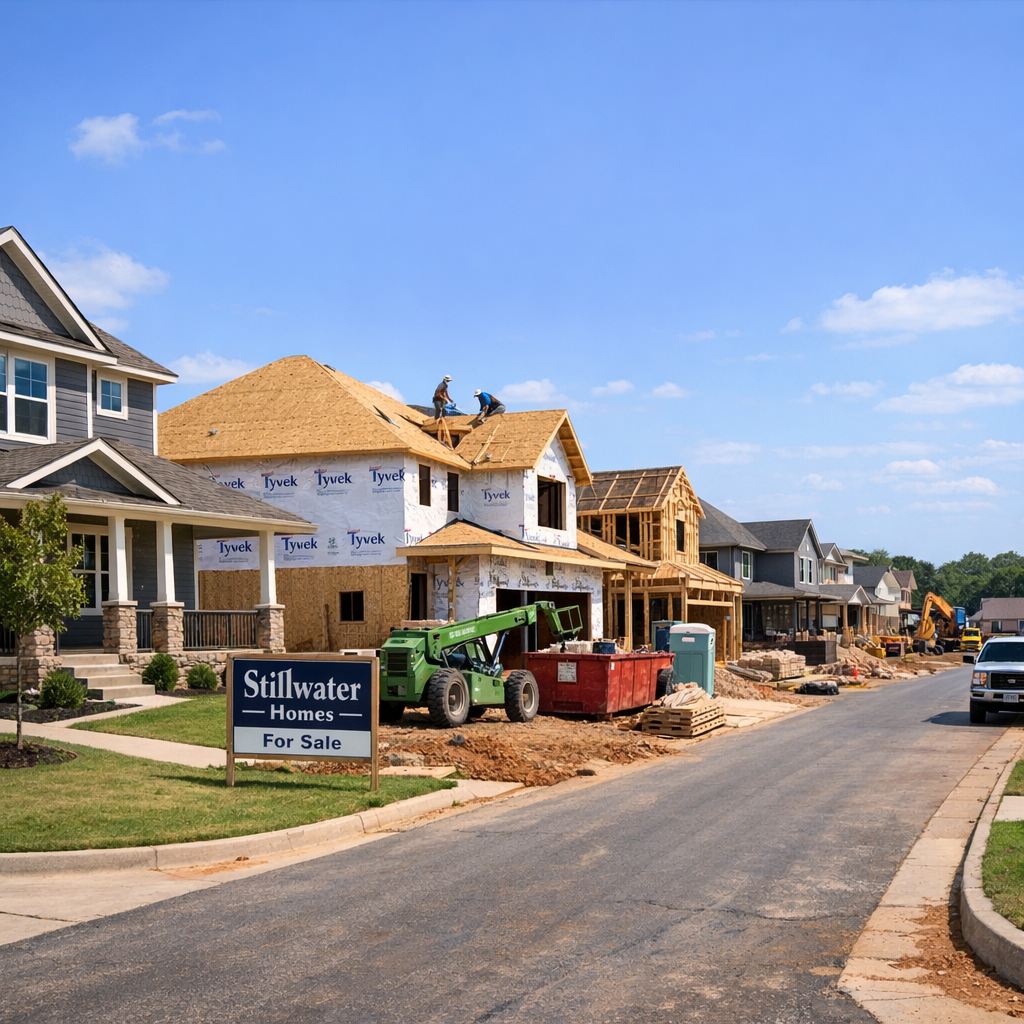
Stillwater—and the nearby city of Lake Elmo—is seeing several residential and mixed-use developments in different planning stages. In Lake Elmo, projects like Granvia Preserve (58 single-family lots), Highpoint Crossing, and several townhome clusters point to growth just outside Stillwater proper.
Meanwhile, within Stillwater, residential development is most active along corridors such as Boutwell Road, Manning Avenue, and the areas north of downtown expanding toward McKusick Road and Neal Avenue. For those seeking new custom builds or river-view lots, these emerging zones are drawing attention.
What Buyers & Renters Should Watch For
Buyers
• Prioritize neighborhoods—home values differ significantly depending on location and lot size.
• Be realistic with offer pricing; over-listing isn’t paying off where sales often match list prices.
• Be ready to move quickly when inventory fits your needs. High-demand homes in growth areas are snapped up faster than before.
Renters
• Evaluate unit size vs. cost—smaller, well-maintained apartments may offer better value than larger, newer options.
• Visit or inspect before committing—older properties may bring unexpected maintenance or utility costs.
• For those seeking affordability, areas farther from downtown or major corridors are more likely to yield lower rents.
Looking Ahead: Trends to Keep on Radar
• Development approvals: New plats and preliminary plans in surrounding areas suggest more housing supply in the pipeline, which could ease pricing pressures if infrastructure keeps up.
• Regulatory changes and infill builds: Specified city infill zones and expanded residential corridors show lasting demand for non-traditional housing—teardowns, lots for custom builds, and river-adjacent properties.
• Rental market normalization: After a period of softening, expect moderate rent increases, especially if rental inventory remains constrained.
• Regional influences: Transportation projects and road improvements—from County Highway work to corridor planning—may change commuting patterns and land desirability, affecting both values and rents.
Stillwater’s housing scene is one in balance—prices have cooled slightly, but demand remains healthy. What many locals will feel most strongly is the squeeze on affordable rentals and the premium for well-located homes. For renters and buyers alike, getting the timing, location, and budget aligned is key.