

By Isabella Carlson
Current Market Snapshot
Stillwater’s real estate market is in a period of subtle shift. The median listing price on homes for sale stands around $632,450, reflecting year-over-year growth of approximately 9%, while the median sold price has dipped by about 12.6% during the same period. Homes are moving more quickly—average days on market dropped year-over-year—suggesting active buyer interest despite some cooling prices.
On the rental front, the average across all unit types in Stillwater is about $2,395/month. That’s up roughly $95 over the past month, though $105 lower compared to last year. Smaller units or those in outlying areas tend to fall well below average, while premium properties hover much higher depending on size and amenities.
The Zillow Home Value Index shows the typical home value at about $460,000, marking a modest annual increase of nearly 4%, indicating that while some listings may be asking more, sold values and assessment‐based values are rising more gently.
What’s Changing for Buyers & Renters
For Buyers
The decline in median sold prices alongside rising listing prices indicates that many homes are getting priced high, but final sales reflect more balanced negotiations. Those interested in buying should budget carefully: appraisal values may not always support asking prices. Areas with newer developments are appealing, and projects like the approved Brixton townhomes (106 units southeast of Manning Avenue and 80th Street West) are likely to provide new inventory and alternative housing formats.
For Renters
Renters should be attentive to neighborhood and condition. While average rents are climbing month-to-month, the year-over-year decline suggests availability or competitive pricing on certain units. Properties with more modern amenities, or those in desirable locations like near downtown, carry premium pricing. Pets, parking, and utilities often make a difference of several hundred dollars.
Local Development & Its Impact
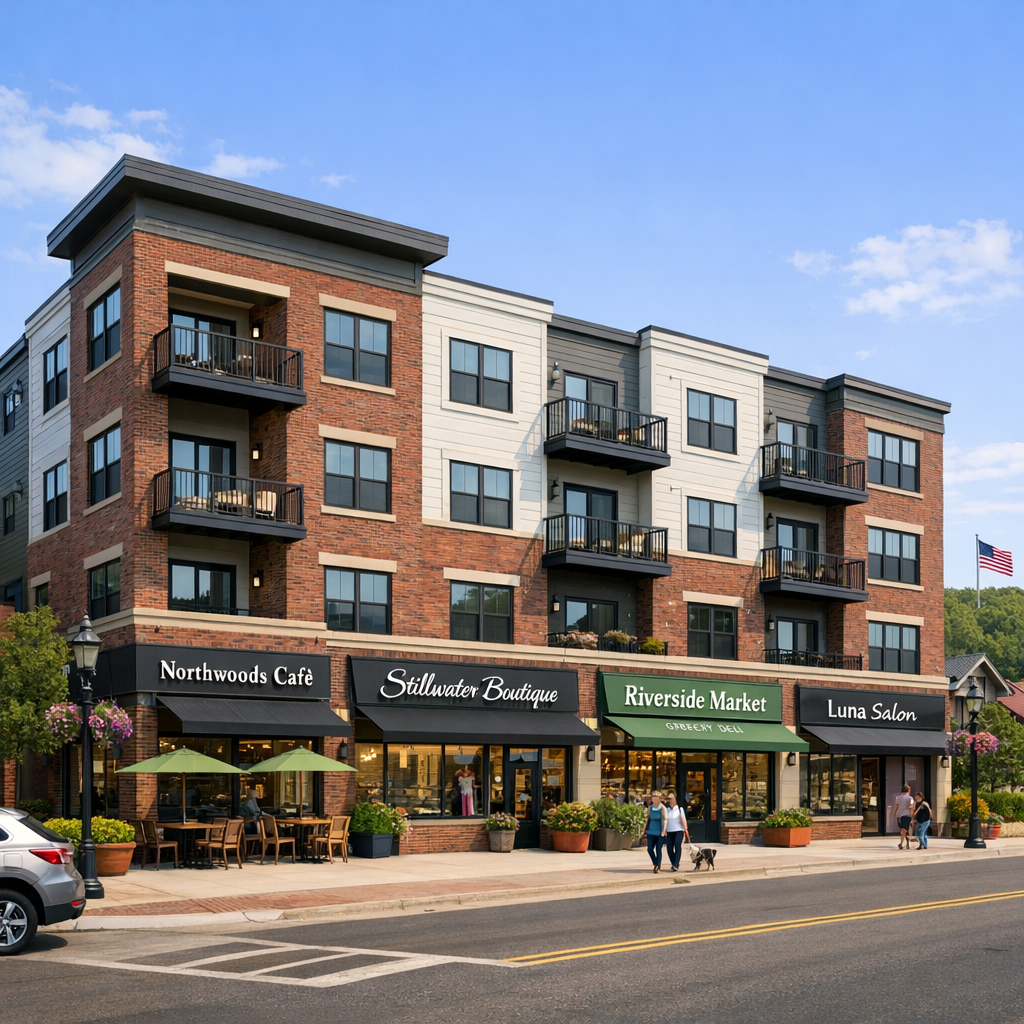
Several mixed-use and residential projects are underway or approved—shaping how neighborhoods grow and affecting supply. The Central Commons project (35+ acres at Manning Avenue and Highway 36) is slated to include retail and a 200-unit market-rate apartment facility alongside a Hy-Vee grocery and convenience store. Timing depends on infrastructure work such as highway interchange and utility extensions.
Meanwhile, city infrastructure work—street improvements, water and gas line replacements, and the Washington-Frontage Road intersection study—are likely to improve access, potentially increasing appeal (and prices) in currently less developed or less accessible areas.
What This Means for Community & Housing Equity
High home values and rising rent create pressure for younger buyers and renters on fixed incomes. There’s potential for gaps in affordability if more modest housing isn’t built. Mixed-use developments may help, especially when they include diverse unit types or subsidies. Also, developers’ decisions on trails, sidewalks, access, and green space (as in the Brixton plan) play into who feels comfortable in new neighborhoods.
Practical Takeaways
- Start with your priorities: commuting distance, amenities, school districts, walkability—these still influence where demand is strongest.
- Look beyond list price: study past sold prices in the area to understand realistic offers.
- Watch upcoming infrastructure: new roads or utility extensions often signal where value may rise.
- For renters: flexibility and willingness to consider second-hand or older units yields savings. Negotiate where possible.
- Developers & planners: diverse product types—townhomes, mixed use, smaller units—meet more community needs.
Stillwater’s housing landscape is dynamic—while there’s momentum in certain sectors, others are shifting toward balance. Whether you’re buying, renting, or building, knowing what’s already in motion gives you a better shot at making choices that work both today and for years to come.