

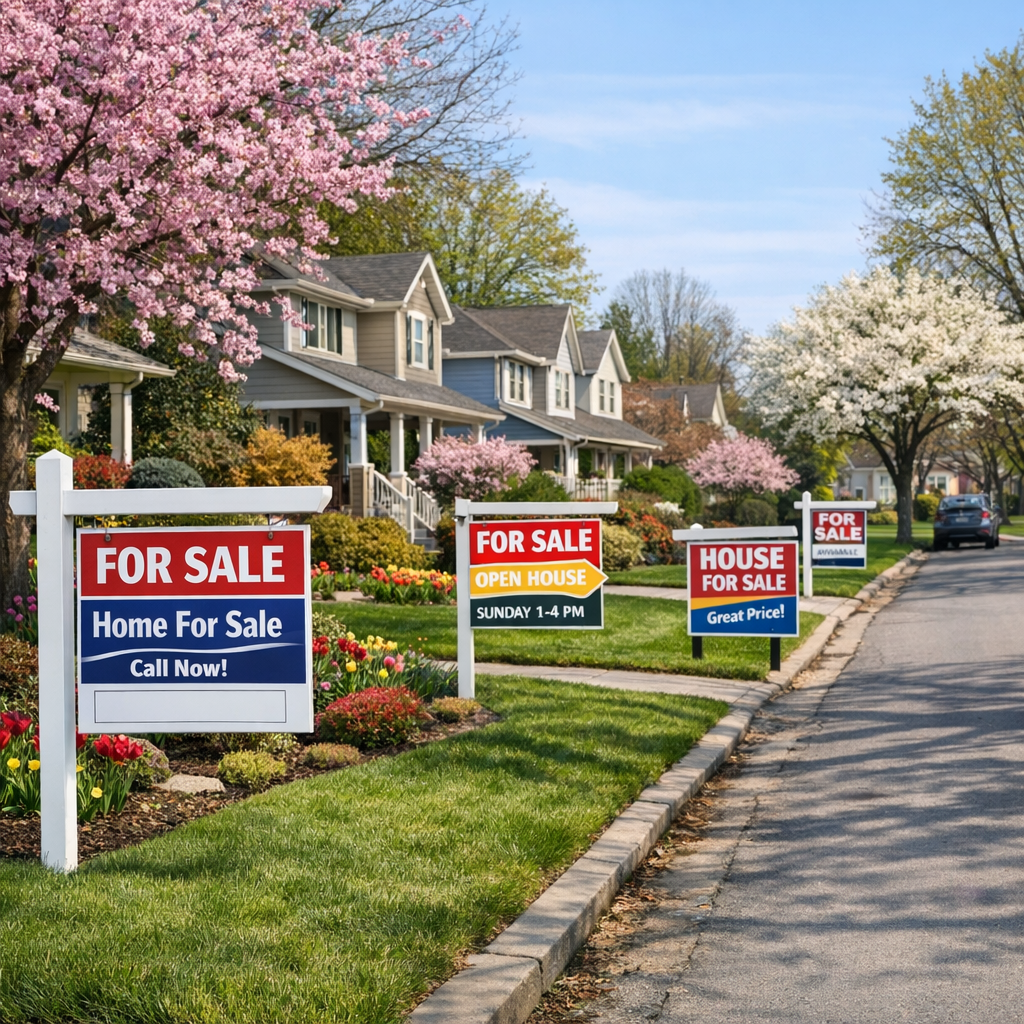
Hi, I’m Isabella Carlson. In this article, I’m breaking down recent housing trends in Stillwater, from what homes are selling for to what renters are seeing, plus what’s developments like across the area. Whether you’re thinking of buying, renting, or building, here’s the latest worth knowing.
Market Snapshot: Home Values & Sales
The typical home in Stillwater now has a value around $460,000, with modest gains of about 4% over the past year. What that means in real dollars is that homes are selling more quickly—often going under contract in about 12 days once they’re listed. These fast sales are a signal that demand remains high even if the pace of price hikes has cooled somewhat. Zillow data supports this pace of contract movement, while Realtor.com reports a median listing price closer to $630,000 in some key neighborhoods, signifying price variation depending on proximity to downtown, views, and lot size.
Stillwater’s listing inventory is still pretty constrained. Active homes for sale are fewer than what many buyers expect, depending on the part of town. In many newer or desirable areas, the homes that are available don’t stay long, and buyers are often facing competition—especially for homes that are move-in ready or with amenities.
What Renters Are Handling
If you’re renting, brace for a broad range. The average rent across all unit types in Stillwater is around $2,200 a month, though this depends heavily on size, amenities, and location. One-bedrooms tend to run around $1,550, two-bedrooms close to $1,560–$1,600, and larger units or more premium ones often well above that. These figures have seen slight shifts month over month, with rental inventory being lean, particularly for apartments or homes in good condition and walkable locations.
New Homes & Conservation Developments
Home builders and developers are stepping into Stillwater’s tight supply with plans that balance growth and greenspace. A noteworthy example is a new neighborhood called Stillwater Oaks—a conservation-style development in Grant, which offers about fifteen homesites designed around mature woodlands and wetlands. It’s designed to maintain the landscape’s natural features while giving future residents access to school districts, shopping, and downtown amenities.
What This Means for Different Stakeholders
For Buyers
- Be ready. Homes that are well-priced often get multiple offers.
- Budget carefully—not just for purchase price but for maintenance, taxes, and perhaps remodeling if you want modern amenities.
- Think outside core Stillwater—lot availability and price per square foot drop off as you move further out.
For Renters
- Expand your search early. Options may be tighter near downtown.
- Inspect rentals carefully; older units might save up front but cost more in maintenance or utilities.
- Watch for new apartment or small multi-family developments, which could ease demand in desirable areas.
For Builders & Planners
- Conservation-oriented lots like those in Stillwater Oaks are in demand—preserving natural features adds value.
- Affordable housing remains a pressing need. Local policy and zoning could tip the balance toward more accessible homes.
- Small-scale infill (townhomes, modest multi-family buildings) in established neighborhoods can help address shortages without huge footprint expansion.
Bottom Line
Stillwater’s housing market isn’t static—it’s dynamic, with strong demand, higher values in many neighborhoods, and a rental sector that’s tight but varied. Whether you’re buying, renting, or developing, staying informed, planning for extra costs, and being proactive will help you find the best match. If you want trends for a specific neighborhood or housing type, happy to dig into that next.