

By James Larson
Seasonal Rhythms
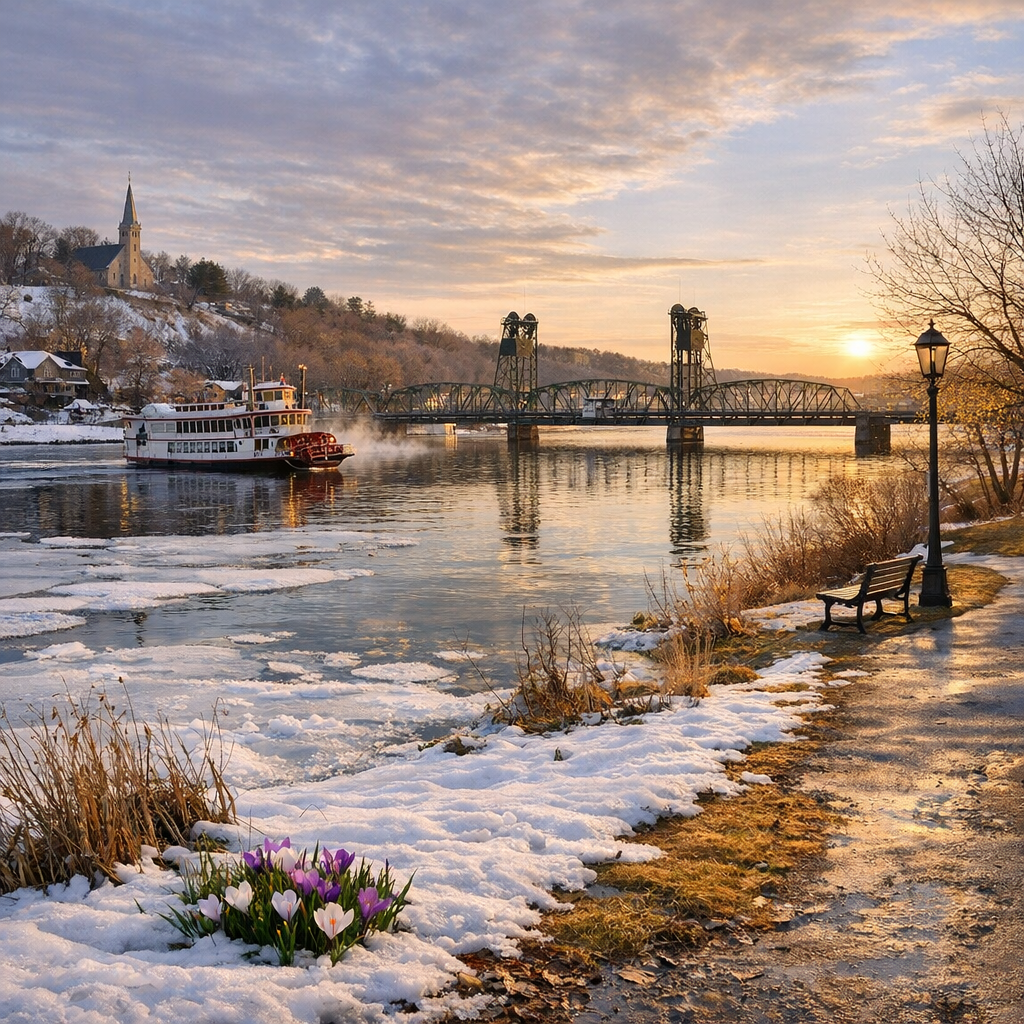
Stillwater experiences a classic humid continental climate. Winters are cold and snowy, with average lows dipping into the single digits (°F) and highs in the mid-20s. Summers warm up significantly—July highs often reach the upper 70s to low 80s, while overnight lows stay comfortably in the 60s. Overall, our average annual temperature hovers around 48 °F. The frost-free growing season typically starts in late April and winds down in early October. ( Climate normals from NOAA and PlantMaps.)
Precipitation Patterns & Snowfall
Rainfall peaks in late spring and summer—June tends to be the wettest month, followed closely by July and August. These months bring frequent thunderstorms and intense short-duration rainfall rather than steady drizzle. Winter months are much drier by comparison, though snow makes a major contribution to annual totals, especially from November through March. ( Stillwater’s yearly precipitation is about 34–35 inches; heavy snowfall and wet summer months make up much of that.)
Long-Term Shifts and What They Mean
Recent research in Minnesota shows winters are warming faster than other seasons, with higher winter lows and fewer extremely cold days. At the same time, communities like ours are seeing more frequent swings between wet and dry spells—heavy rains followed by drought stress both ecosystems and infrastructure. ( University of Minnesota climate projections.)
Environmental Concerns Locally
Water quality is a growing focus. South Twin Lake, part of Stillwater’s watershed, is listed as impaired due to high phosphorus levels and poor water clarity. Urban development, stormwater runoff, and erosion threaten nearby lakes and streams. At the municipal level, PFAS (“forever chemicals”) have been detected in several of Stillwater’s groundwater wells; efforts are underway to treat affected wells and meet federal guidelines. ( City and MPCA/PFAS monitoring reports.)
Tips for Adjusting Throughout the Year
- Expect big temperature swings in spring and fall: layering is key for outdoor plans.
- During summer months, take care during heavy rainstorms—flash floods and poor drainage can impact local streets and riverbanks.
- In winter, plan for snow accumulation and icy conditions—safe routes and snow removal are essential.
- Protect water bodies: use native plants for landscaping near waterways, avoid over-fertilizing, and follow stormwater regulations.
- Support local climate initiatives by staying informed, voting for resilience policies, and encouraging better infrastructure.
Knowing how Stillwater’s climate behaves across seasons and how it’s gradually shifting helps us better prepare our homes, gardens, and community for what’s ahead.