

By James Larson
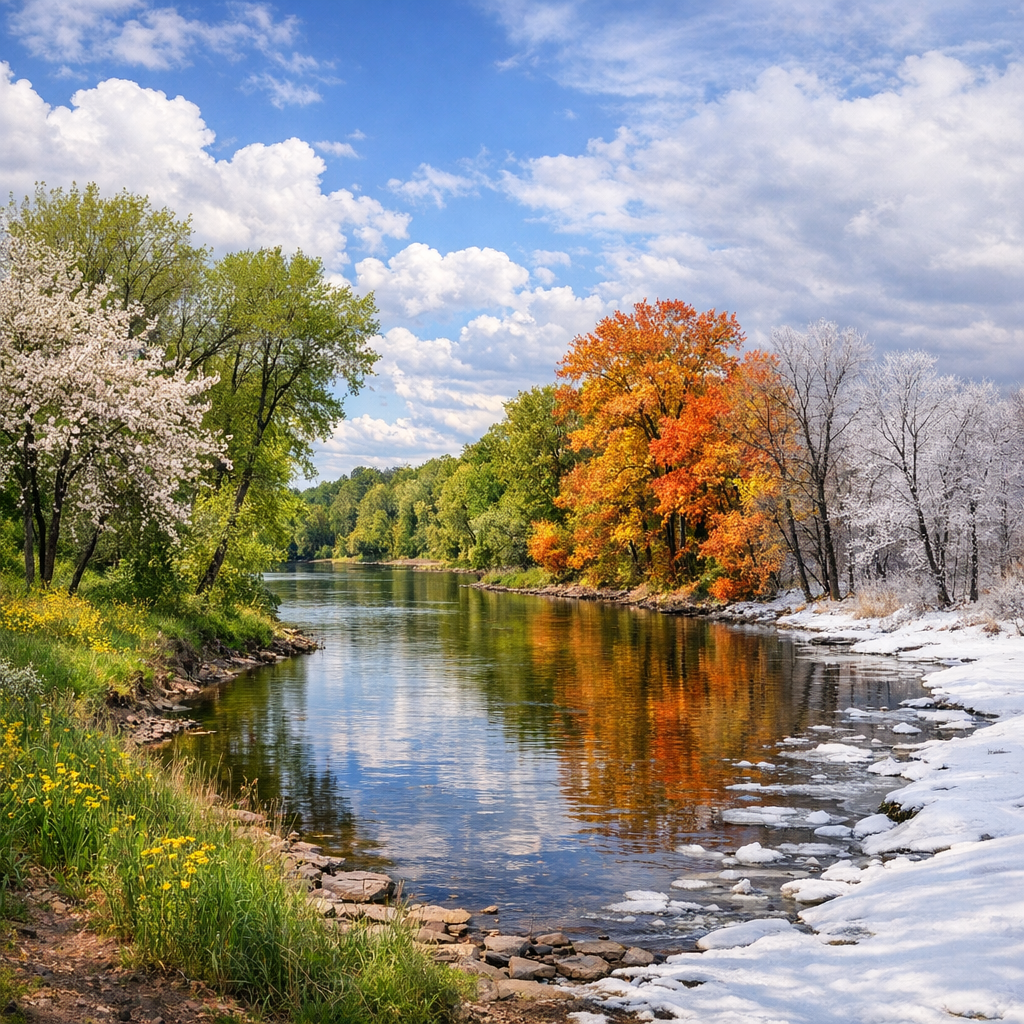
Nestled on the banks of the St. Croix River, Stillwater sits within a climate zone that brings bold seasonal shifts and increasingly visible signs of environmental changes. From frigid winters and hot summers to shifting precipitation trends and local ecosystem impacts, here’s what you need to know about the weather and environment here and how it’s evolving.
Local Climate Normals: What to Expect
Stillwater experiences a humid continental climate with well-defined seasons. Summers (late June through August) typically bring warm afternoons—often in the upper 70s to low 80s ℉—while nights stay cooler. Winters (December through February) are cold and snowy, with average nightly lows near single digits ℉, and highs in the 20s to low 30s ℉. Spring and autumn are transitional periods marked by fluctuating temperatures as nature responds to longer daylight and shifting sun angles.
Precipitation peaks in the summer months—June tends to be the wettest—with periodic thunderstorms and short heavy downpours. Winters are much drier in terms of rain, but snow accumulation is regular. On average, the region sees over 30 inches of annual precipitation and substantial snowfall during winter months. Please note that extremes can and do occur: heatwaves in summer, deep freezes in winter, and variable moisture patterns.
Emerging Trends & Climate Shifts
Warming Winters and Milder Nights
One of the most noticeable changes is the rise in winter temperatures and overnight lows. Winters are warming more quickly than summers: where once deep cold nights were frequent, they’re now less so. This change affects snow cover, ice safety on lakes, and even local wildlife behavior.
Shifts in Precipitation Patterns
Minnesota overall has grown wetter over the past century: since the late 1800s, average annual precipitation has increased measurably. Yet the distribution of that moisture is changing. Heavy rain events are more intense and more frequent. Meanwhile, summers may bring longer dry spells even as spring and winter see more precipitation. For Stillwater, this translates to more stormwater runoff challenges in spring and risk of drought stress in late summer.
Impacts on the Local Environment and Community
These climate shifts have meaningful effects on Stillwater’s ecosystems and infrastructure. Warmer, shorter winters may reduce snow cover, affecting aquatic ecosystems and changing the timing of ice formation—which matters for both recreation and safety.
Plants and trees are responding: some native species are extending their growing season, while non-native or invasive species are steadily gaining ground. Gardens in town may see shifts in what thrives, while longer warmth could mean more pests.
From an infrastructure and public safety perspective, heavier rainfall events stress stormwater systems, increase erosion risk along riverbanks, and heighten flood potential. Meanwhile, warmer nights and summers can raise energy demand, especially when coupled with higher humidity.
Looking Ahead: What Stillwater Residents Can Watch For
- Seasonal timing shifts: Emergence of plants and migratory patterns may advance earlier in spring.
- Growing extremes: More days of excessive heat in summer, fewer of deep freeze in winter.
- Drought windows: Even with higher annual precipitation, late summer dryness may become more acute.
- Water quality pressures: Increased runoff and warmer water temperatures can worsen algae blooms and impact aquatic life.
- Community responses: Local landscaping choices, emergency planning, and conservation efforts will all grow more crucial.
If you’re a gardener, boater, hiker, or simply a neighbor, these trends will touch your routines. Awareness and adaptation—whether by adjusting planting schedules or helping manage stormwater locally—can help Stillwater stay resilient and rooted to its natural rhythms even as its climate shifts.