

By James Larson
Here in Stillwater, we’re noticing more than just daily weather swings. Over decades, the patterns of temperature, precipitation, snow and ice are shifting—and those changes are silently altering both our seasons and our surroundings. Knowing what’s happening helps us plan better, protect nature, and stay resilient.
Warming Winters and Rising Average Temperatures
Statewide climate data shows Minnesota’s average annual temperature has increased by about 3.0 °F since the late 19th century. Winters are warming fastest—average low temperatures in winter (December through February) have risen significantly, reducing the number of brutally cold days. This is a trend that’s already reshaping how winter feels around here.
According to climate normals for Stillwater from 1970 to 2024, our average annual temperature hovers around 7.5 °C (about 45.5 °F), with January usually the coldest month (−10 °C / 14 °F) and July the warmest (about 22.7 °C / 73 °F).
More Water: Rain, Storms, and Less Snow
Precipitation in Minnesota has also crept upward, by around 3–3.5 inches annually over the past century. That includes heavier rainfall during spring and early summer particularly, leading to more frequent intense rain events—storms capable of producing flooding and erosion.
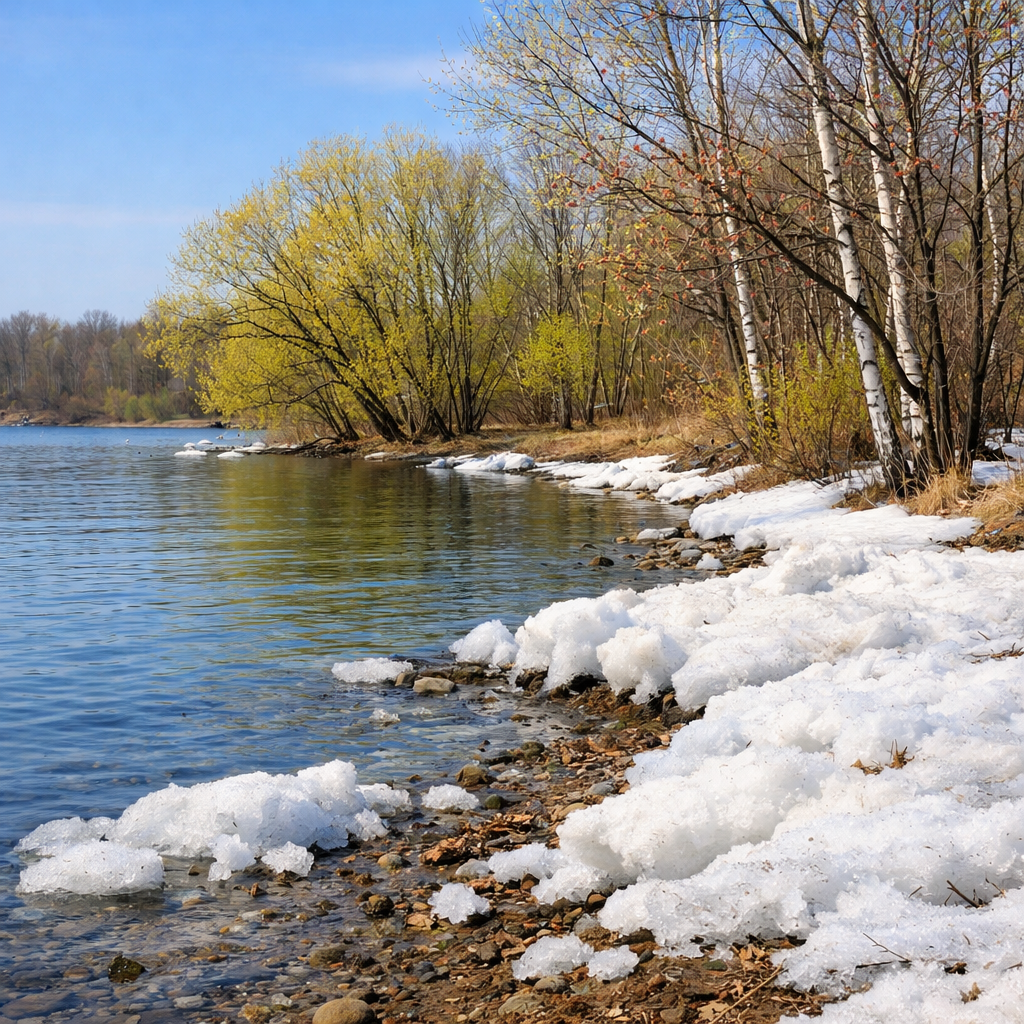
Meanwhile, snowfall is decreasing in many parts of Minnesota, and lake ice cover is shrinking—ice-on and ice-off dates are shifting earlier or later, and snow depths are generally becoming shallower. These changes have impacts ranging from winter recreation to water resources and wildlife.
How These Trends Affect Stillwater and Its Environment
Shorter and milder winters mean less snow for building winter traditions—but also less insulation for plants and animals used to colder temperatures. Pest pressures may shift. Disease vectors that once faded in cold weather could stick around longer.
Heavy downpours carry runoff that strains stormwater systems, increases risk of localized flooding, and can damage local infrastructure. At the same time, soil moisture may change in unpredictable ways, affecting gardens, floodplains, and farms.
What Residents Can Do
- Observe and report changes. Keep an eye on amounts of snow, dates when lakes freeze or thaw, and any shifts in plant or bird behavior.
- Support climate-ready planning. Events like heavy rain or extreme cold demand better stormwater systems, stronger insulation standards, and resilient infrastructure.
- Connect with local environmental groups. Join efforts to restore native species, manage invasive plants, or support tree-planting initiatives.
- Green everyday choices. Simple steps like reducing energy use, planting trees, or choosing sustainable transportation help collectively.
Slow shifts like this won’t catch headlines—but over time, they redefine winters, springs, summers, and life around the St. Croix and along our streets and forests. Staying informed, adapting, and working together can help Stillwater navigate what’s changing—and what’s coming.