

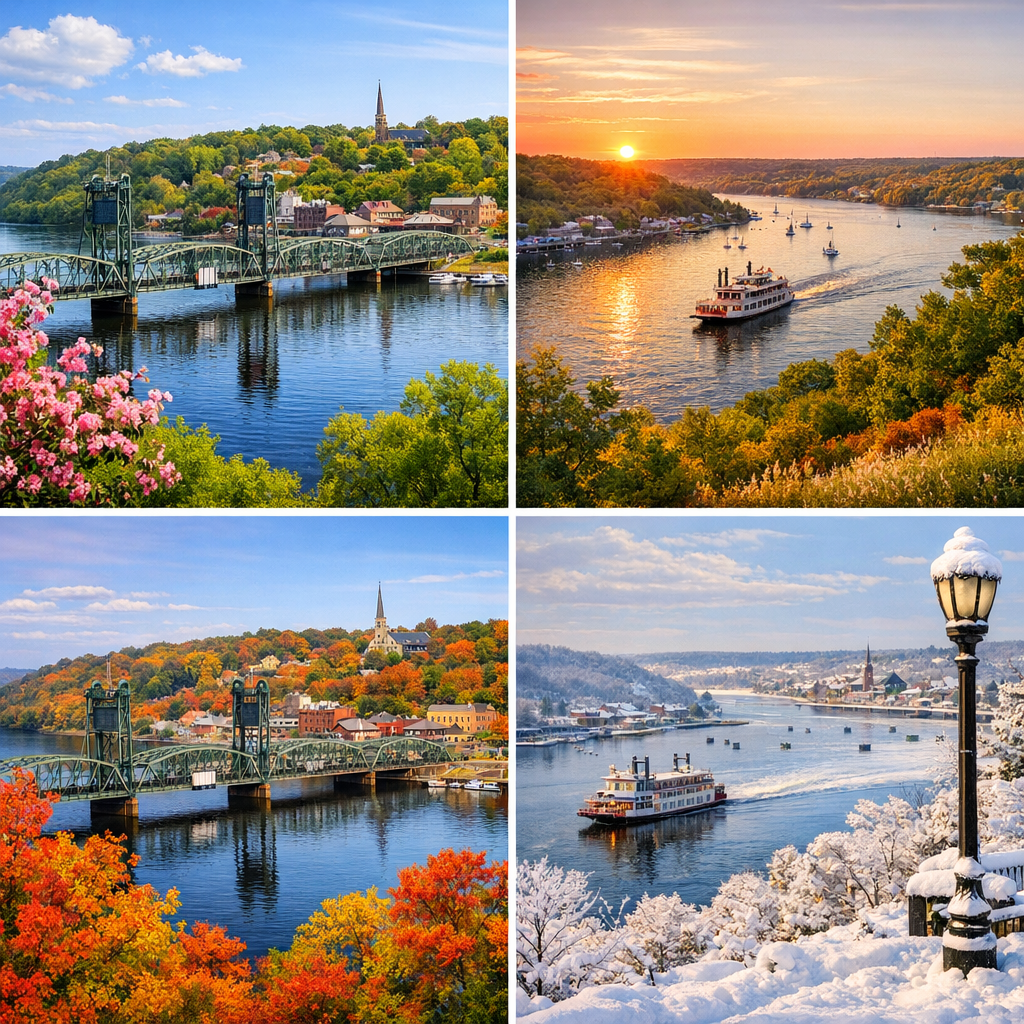
Stillwater, Minnesota, experiences a diverse climate characterized by distinct seasonal changes. Understanding these patterns is essential for residents and visitors alike.
Climate Overview
Stillwater’s climate is classified as humid continental, featuring warm, wet summers and cold, snowy winters. Throughout the year, temperatures typically range from 8°F to 82°F. The warm season spans approximately from late May to mid-September, with average daily highs above 70°F. July stands out as the warmest month, averaging a high of 81°F and a low of 62°F. Conversely, the cold season lasts from late November to early March, with daily highs below 35°F. January is the coldest month, averaging a high of 24°F and a low of 9°F.
Precipitation is fairly evenly distributed throughout the year, with an annual average of about 34.53 inches. June tends to be the wettest month, receiving approximately 5.05 inches of rainfall.
Environmental Initiatives
Beyond its natural climate, Stillwater is proactive in environmental stewardship. The city has been recognized as a Minnesota GreenStep City since 2018, a program that guides municipalities toward sustainability and resilience. This designation reflects Stillwater’s commitment to green building, energy efficiency, and natural resource conservation.
Local organizations play a pivotal role in these efforts. Sustainable Stillwater MN, established in 2016, collaborates with city officials and community members to promote sustainability. Their initiatives include the Green Business Directory and support for the city’s Energy Action Plan.
Educational institutions also contribute significantly. The Environmental Learning Center at Stillwater Area High School offers students hands-on experiences in diverse biomes, fostering a deeper understanding of local ecosystems.
Residents are encouraged to participate in seasonal practices to support environmental health. For instance, during winter, minimizing salt use for deicing helps protect water quality. In spring, clearing road gutters of debris prevents pollutants from entering storm drains and local waterways.
Understanding Stillwater’s climate and engaging in local environmental initiatives empowers the community to thrive sustainably amidst its natural surroundings.