

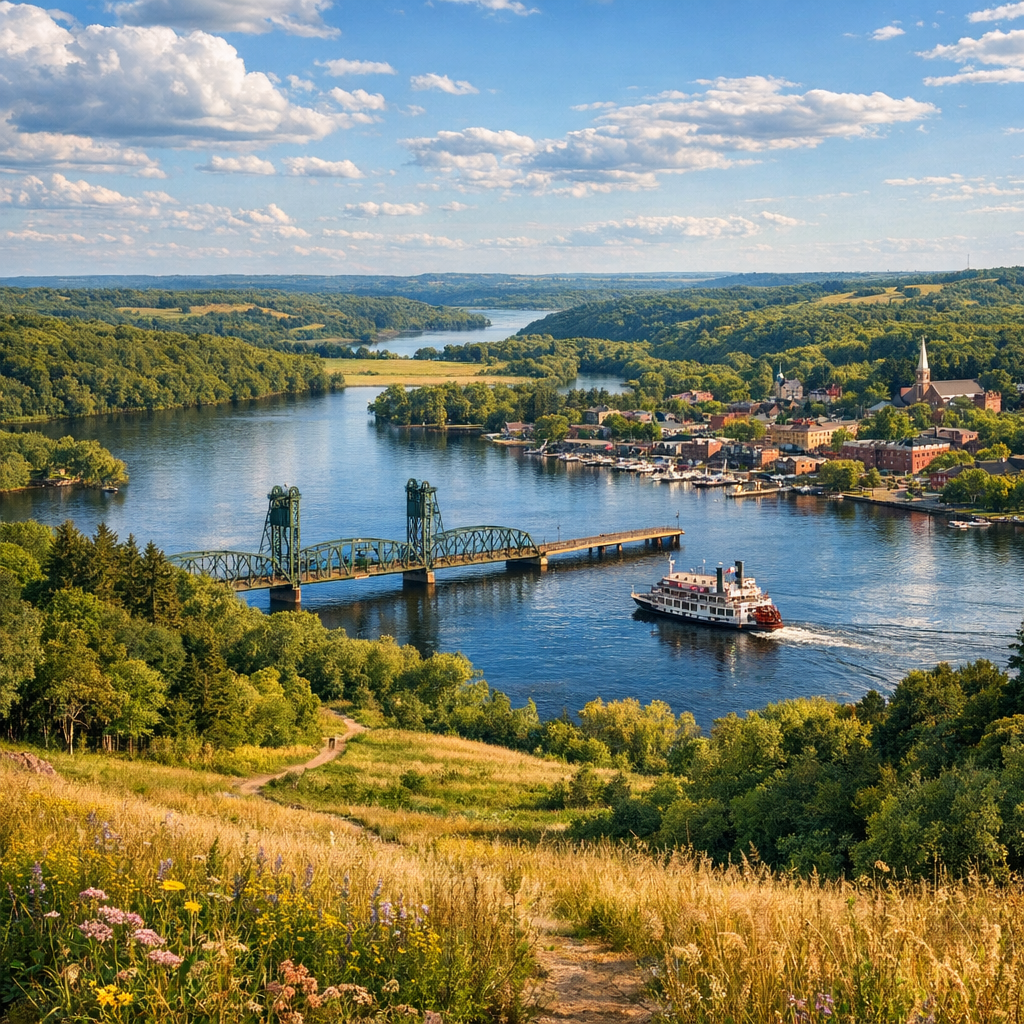
Stillwater, Minnesota, experiences a diverse range of weather conditions throughout the year, characteristic of a humid continental climate. This includes warm, wet summers and cold, snowy winters.
Climate Overview
On average, temperatures in Stillwater range from lows of 8°F in January to highs of 82°F in July. The warm season typically spans from late May to mid-September, with daily high temperatures above 70°F. Conversely, the cold season lasts from late November to early March, with daily highs below 35°F. Precipitation is fairly evenly distributed throughout the year, with June being the wettest month, averaging 4.63 inches of rainfall. Snowfall is common in winter months, contributing to the region’s snowy landscape.
Environmental Initiatives
Recognizing the importance of sustainability, Stillwater has undertaken several environmental initiatives:
Environmental Learning Center (ELC)
Located behind Stillwater Area High School, the ELC is a 55-acre area encompassing oak forests, prairies, and coniferous plantings. It serves as an outdoor classroom where students engage in activities like bird banding and wildlife monitoring. The public is encouraged to hike the trails, though dogs are not permitted to preserve the area’s ecological integrity.
Sustainable Stillwater MN
This nonprofit organization focuses on promoting social, economic, and environmental resilience within the community. Since its inception, Sustainable Stillwater MN has spearheaded projects such as the Green Business Directory and the Energy Action Plan adopted in 2024. Their efforts have been instrumental in Stillwater’s recognition as a Minnesota GreenStep City, reflecting the community’s commitment to sustainable practices.
Water Quality Monitoring
The city actively monitors water quality, addressing concerns like per- and polyfluoroalkyl substances (PFAS). The Minnesota Department of Health has established health-based guidance values for PFAS in drinking water to ensure public safety. Residents are encouraged to stay informed about water quality reports and participate in community discussions on maintaining clean water resources.
By understanding Stillwater’s climate patterns and supporting local environmental initiatives, residents can contribute to a sustainable and resilient community.