

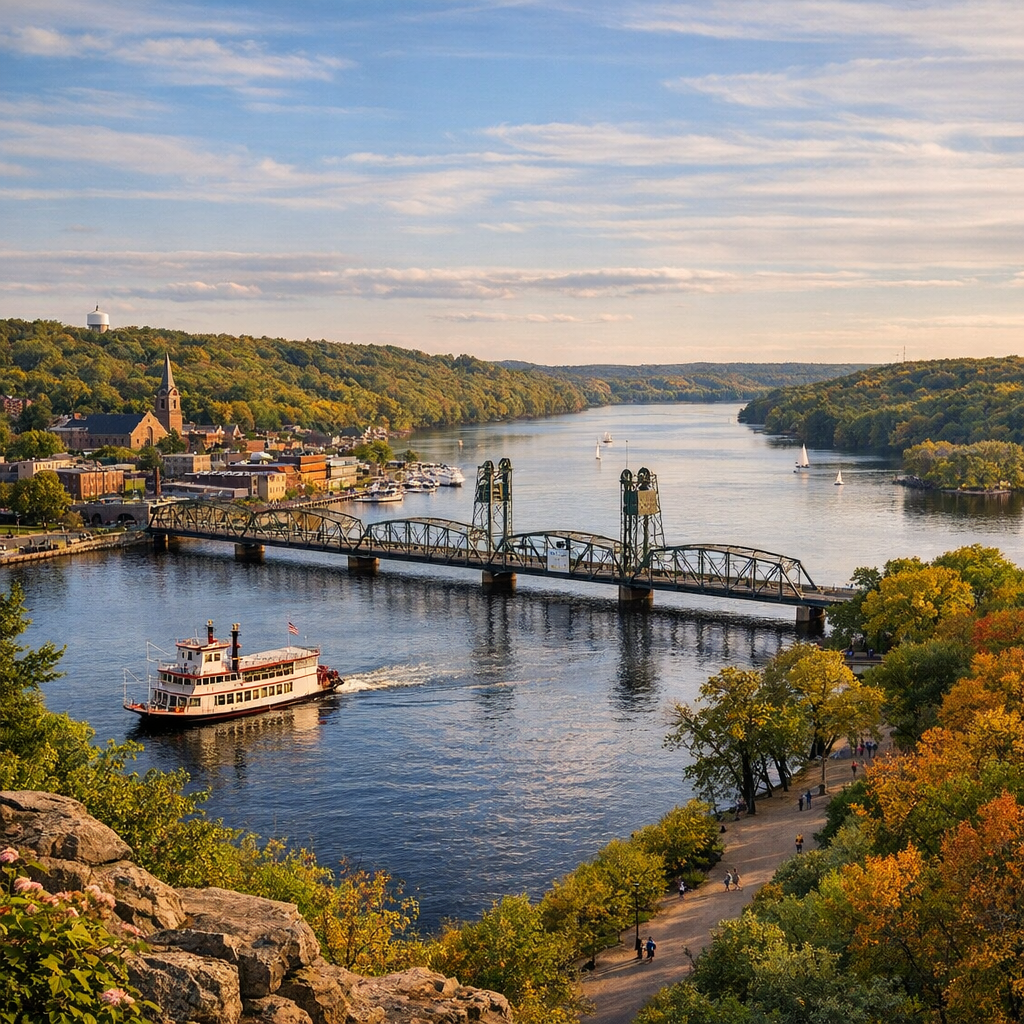
Stillwater, Minnesota, experiences a diverse range of weather conditions throughout the year, characteristic of a humid continental climate. Understanding these patterns is essential for residents and visitors alike.
Climate Overview
In Stillwater, the summers are long, warm, and wet; the winters are freezing, snowy, and windy; and it is partly cloudy year-round. Over the course of the year, the temperature typically varies from 8°F to 82°F and is rarely below -12°F or above 90°F. The warm season lasts for approximately 3.9 months, from May 21 to September 18, with an average daily high temperature above 70°F. The hottest month is July, with an average high of 81°F and low of 62°F. Conversely, the cold season spans about 3.3 months, from November 27 to March 4, with an average daily high temperature below 35°F. The coldest month is January, with an average low of 9°F and high of 24°F.
Environmental Initiatives
Recognizing the importance of environmental stewardship, Stillwater has undertaken several initiatives to promote sustainability and protect natural resources.
Energy Action Plan
Stillwater’s Energy Action Plan aims to educate and inspire residents and businesses to engage in energy-saving practices. The plan sets a community-wide goal to save 3.8 million kWh of electricity and 198,000 therms of natural gas by the end of 2025. Achieving this goal is expected to avoid an additional 58% of energy-related greenhouse gas emissions and save the community $450,000.
Bird City Program
The Bird City Program advances Stillwater’s commitment to protecting birds and the ecosystems they depend on through education, habitat stewardship, and community collaboration. Guided by best practices established by the Minnesota Audubon Society, the program focuses on engaging residents in bird conservation, restoring and enhancing habitat, and reducing human-caused threats to birds.
PFAS Investigation Efforts
The Minnesota Pollution Control Agency (MPCA) is actively investigating potential PFAS sources in Stillwater. This includes sampling private wells to determine the source of PFAS in the area. The investigation aims to identify potential sources and private wells that could be at risk for unsafe PFAS levels. Private well owners will receive a letter detailing their results, and if levels above applicable drinking water standards are found, homeowners will be eligible for treatment provided by the MPCA.
By understanding Stillwater’s climate patterns and supporting local environmental initiatives, residents can contribute to a more sustainable and resilient community.