

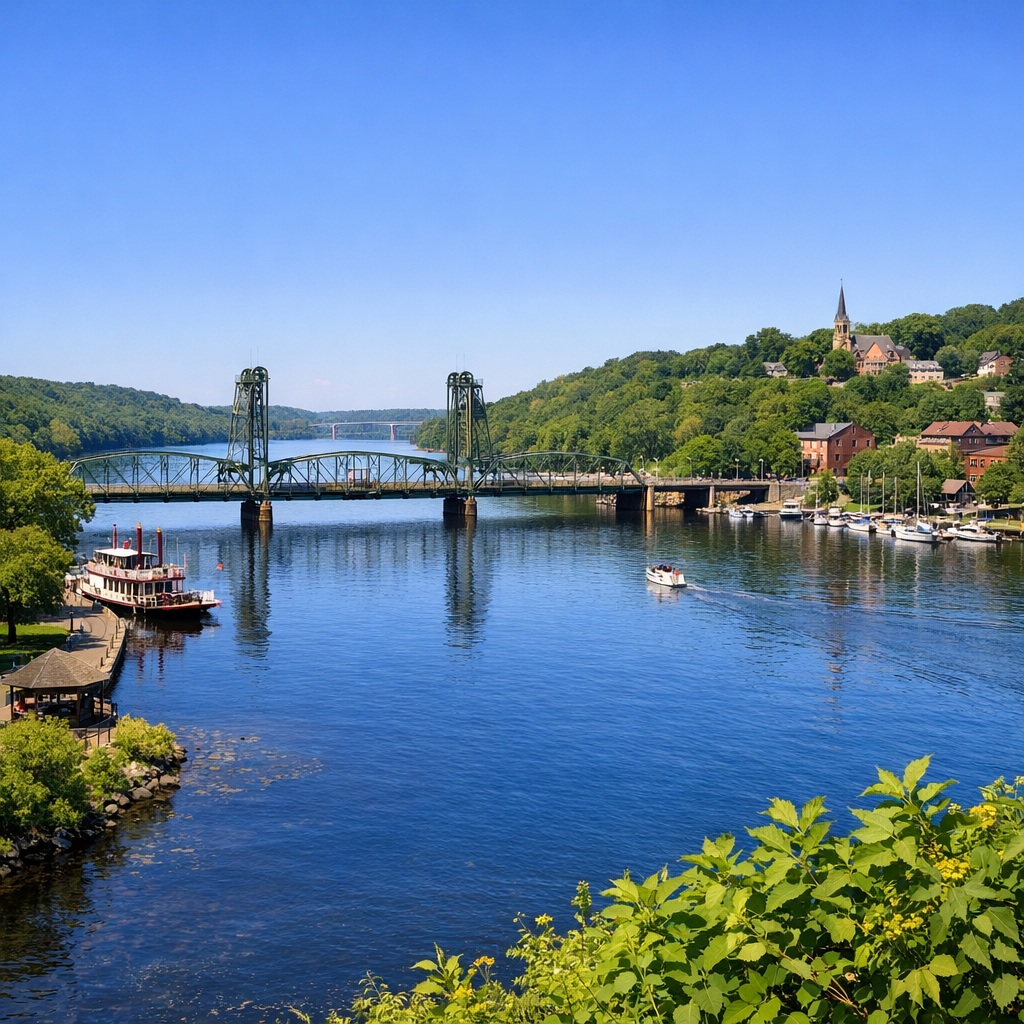
Stillwater, Minnesota, experiences a diverse climate characterized by warm, wet summers and cold, snowy winters. Understanding these patterns is essential for residents to prepare for seasonal changes and address environmental challenges.
Climate Overview
Throughout the year, temperatures in Stillwater typically range from 8°F to 82°F. The warm season spans from late May to mid-September, with average daily highs above 70°F, peaking in July at around 81°F. Conversely, the cold season lasts from late November to early March, with average daily highs below 35°F. January is the coldest month, averaging a high of 24°F and a low of 9°F. Precipitation is fairly evenly distributed, with June being the wettest month, averaging 4.63 inches of rainfall.
Environmental Concerns: PFAS Contamination
Per- and polyfluoroalkyl substances (PFAS), often referred to as “forever chemicals,” have been detected in Stillwater’s water supply. These man-made chemicals are found in various consumer products and have been linked to health risks. The Minnesota Department of Health has established health-based guidance values for PFAS to ensure safe drinking water. The City of Stillwater has been proactive in addressing this issue by monitoring water quality and implementing measures to reduce PFAS levels.
Water Quality and Impaired Waters
Several water bodies in the Stillwater area have been listed as impaired due to pollutants such as bacteria, sediment, and nutrients. Notable among these are the St. Croix River, Long Lake, and Lily Lake. Efforts are ongoing to address these impairments and improve water quality for recreational and ecological purposes.
Understanding Stillwater’s climate and environmental challenges is crucial for residents to make informed decisions and participate in community efforts to maintain a healthy environment.