

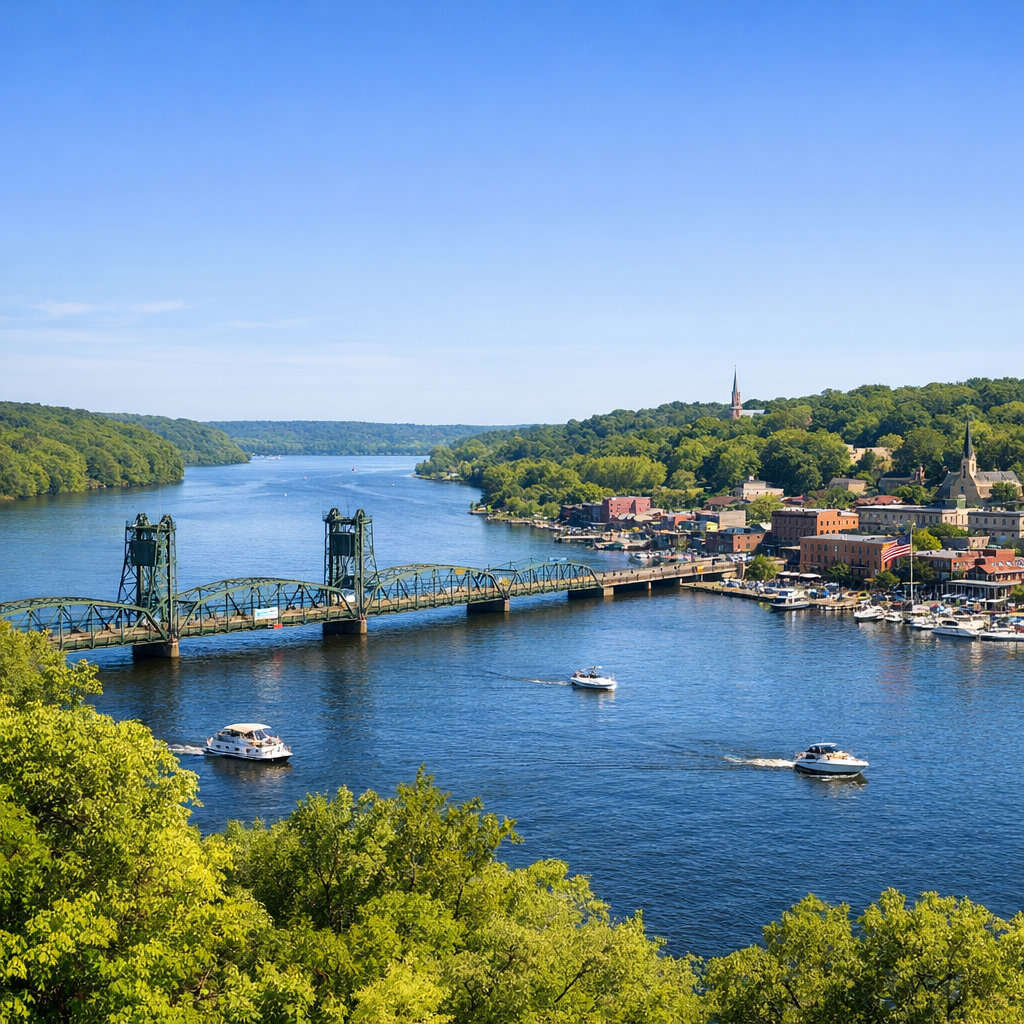
Stillwater, Minnesota, experiences a humid continental climate characterized by distinct seasonal variations. Residents enjoy warm, wet summers and cold, snowy winters, with temperatures ranging from an average high of 83°F in July to a low of 9°F in January. Annual precipitation averages around 28.83 inches, with June typically being the wettest month.
Seasonal Weather Patterns
Summers in Stillwater are warm and wet, with average high temperatures reaching 83°F in July. Winters are cold and snowy, with average lows of 9°F in January. The city receives an average annual snowfall of 42 inches and rainfall of 24 inches. Each year, there are approximately 14 days with temperatures above 90°F.
Environmental Concerns: PFAS Contamination
Recent water quality reports have raised concerns about the presence of per- and polyfluoroalkyl substances (PFAS) in Stillwater’s drinking water. PFAS are man-made chemicals used in various consumer products since the 1940s. Testing has detected five PFAS compounds in the city’s water supply, with PFOS and PFOA exceeding the Environmental Protection Agency’s maximum contaminant levels. The city is actively addressing these issues to ensure the safety of its residents.
Community Initiatives
In response to these environmental challenges, local authorities are implementing measures to monitor and improve water quality. Residents are encouraged to stay informed about water safety updates and participate in community discussions to address these concerns.
Understanding Stillwater’s climate and environmental issues is essential for residents to make informed decisions and contribute to the community’s well-being.