

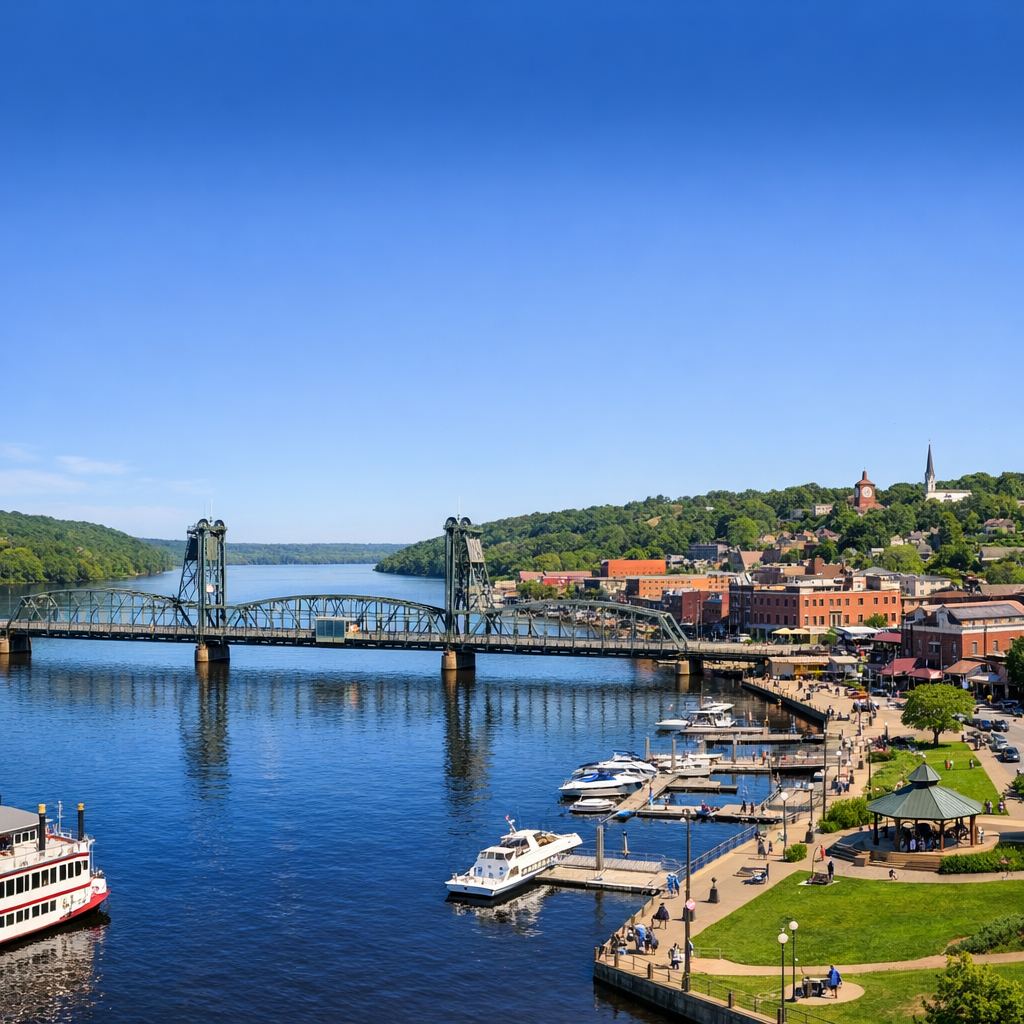
Located in the heart of Minnesota, Stillwater experiences a diverse range of weather conditions throughout the year, characteristic of a Humid Continental climate. This article provides an overview of the city’s seasonal weather patterns and environmental considerations.
Winter: Cold and Snowy
Winters in Stillwater are typically cold, with average low temperatures around 9°F in January. Snowfall is common, contributing to the city’s picturesque winter landscapes. Residents should be prepared for freezing temperatures and occasional snowstorms during this season.
Spring: Gradual Warming
Spring brings a gradual increase in temperatures, with average highs reaching 56°F by April. This season also sees an uptick in precipitation, averaging 2.42 inches in April, which supports the blooming of local flora and the greening of the landscape.
Summer: Warm and Humid
Summers are warm and humid, with July being the hottest month, averaging a high of 83°F. This period also experiences the highest precipitation levels, with June averaging 4.63 inches of rainfall. The combination of warmth and moisture supports lush vegetation but can also lead to occasional thunderstorms.
Fall: Cooling Temperatures
Autumn sees a gradual cooling, with average highs dropping to 58°F by October. The season is marked by vibrant foliage and a decrease in humidity, making it a comfortable time for outdoor activities.
Environmental Considerations
Stillwater’s climate influences various environmental factors, including water quality. The city sources its drinking water from groundwater aquifers, treating it with chlorine and fluoride to meet health standards. Residents are encouraged to stay informed about local water quality reports and any advisories issued by the city.
Understanding these seasonal patterns and environmental factors can help residents and visitors make informed decisions throughout the year, whether it’s preparing for winter conditions or enjoying summer activities.