

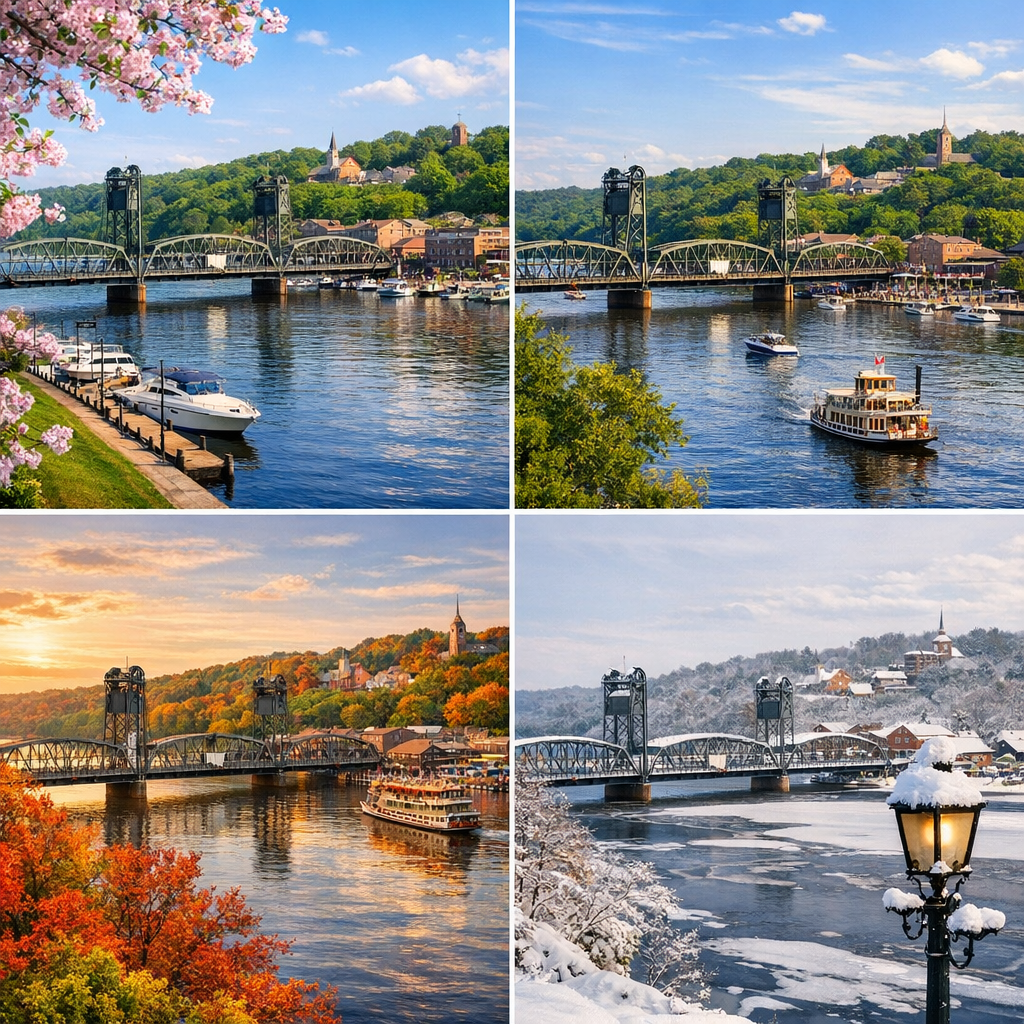
Stillwater, Minnesota, experiences a diverse range of weather conditions throughout the year, characteristic of a humid continental climate. This article provides an overview of the typical seasonal patterns and environmental factors that shape our local climate.
Winter: Cold and Snowy
Winters in Stillwater are notably cold, with average low temperatures around 9°F in January. Snowfall is common, contributing to the picturesque winter landscapes our community enjoys.
Spring: Gradual Warming
Spring brings a gradual increase in temperatures, with average highs reaching 56.2°F in April. This season also sees increased precipitation, averaging 3.18 inches, which supports the blooming of local flora.
Summer: Warm and Humid
Summers are warm and humid, with July being the hottest month, averaging a high of 82.7°F. This period also experiences higher precipitation, averaging 4.37 inches in July, often in the form of thunderstorms.
Fall: Cooling Temperatures
Autumn sees a gradual cooling, with average highs of 58.7°F in October. Precipitation decreases to about 3.06 inches, and the changing foliage offers scenic beauty.
Environmental Considerations
Recent trends indicate changes in our climate, including increased precipitation and rising temperatures, particularly during winter nights. These changes can impact local ecosystems and infrastructure.
Understanding these patterns helps residents and visitors prepare for the varying conditions throughout the year, ensuring safety and enjoyment of all that Stillwater has to offer.