

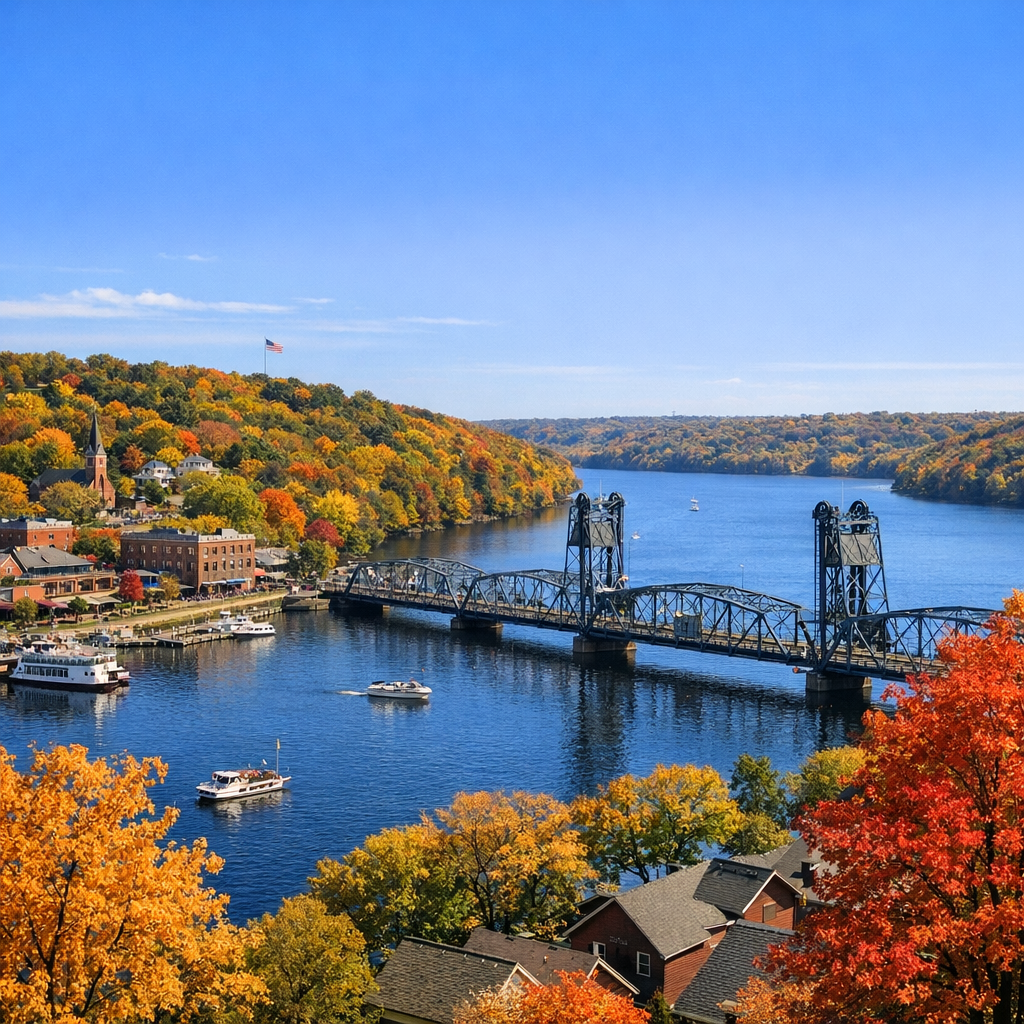
Stillwater, Minnesota, experiences a humid continental climate characterized by distinct seasonal variations. Understanding these patterns is essential for residents and visitors alike.
Seasonal Temperature Variations
Winters in Stillwater are notably cold, with average low temperatures around 9°F in January, the coldest month. Summers, on the other hand, are warm, with July being the warmest month, averaging a high of 81°F. The transitional seasons of spring and autumn offer moderate temperatures, providing a comfortable climate during these periods.
Precipitation Patterns
Annual precipitation in Stillwater averages approximately 34.5 inches. The summer months, particularly June, tend to be wetter, with increased rainfall contributing to the lush greenery of the region. In contrast, winter months receive less precipitation, primarily in the form of snow, adding to the area’s picturesque winter landscapes.
Environmental Impacts of Climate Change
Climate change is influencing Stillwater’s environment in several ways. Warmer temperatures may lead to the migration of certain tree species, such as paper birch and quaking aspen, further north, while species like maples and oaks could become more prevalent. Additionally, increased precipitation and stormwater runoff can result in algae blooms in local water bodies, affecting aquatic life and water quality.
Understanding these climatic and environmental dynamics is crucial for the community to adapt and plan for the future, ensuring the preservation of Stillwater’s natural beauty and ecological health.