

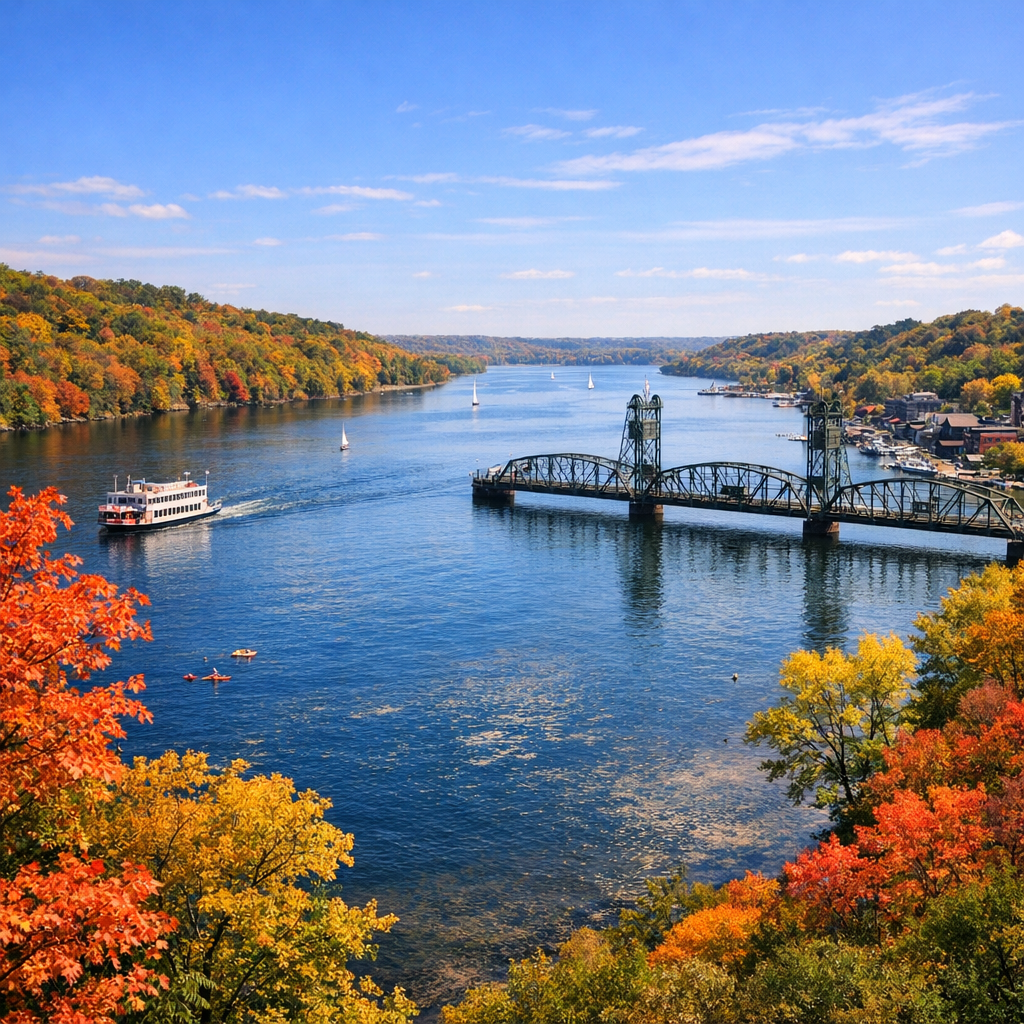
Stillwater, Minnesota, experiences a diverse range of weather conditions throughout the year, characterized by distinct seasonal changes. Understanding these patterns can help residents and visitors prepare for the varying climate.
Winter
Winter in Stillwater is typically cold and snowy. Average high temperatures in January hover around 24°F, with lows near 9°F. The city receives an average annual snowfall of approximately 42 inches, contributing to the picturesque winter landscape.
Spring
As spring arrives, temperatures gradually rise. March sees average highs of 42°F and lows of 25°F, while by May, temperatures increase to highs around 69°F and lows near 49°F. This season also brings increased precipitation, with May averaging 2.64 inches of rainfall.
Summer
Summers are warm and humid, with July being the warmest month. Average highs reach 83°F, and lows are around 64°F. June is typically the wettest month, averaging 3.58 inches of rainfall, often in the form of thunderstorms.
Fall
Fall brings cooler temperatures and vibrant foliage. September averages highs of 73°F and lows of 53°F, while by November, highs drop to 43°F with lows around 28°F. Precipitation decreases during this season, with October averaging 1.5 inches of rainfall.
Environmental Considerations
Stillwater’s climate influences local environmental factors. The city is home to the St. Croix River, a National Scenic Riverway known for its clear waters and abundant wildlife. However, some local water bodies, such as the St. Croix River and Lily Lake, have been listed as impaired due to pollutants like bacteria and nutrients. Efforts are ongoing to monitor and improve water quality in these areas.
Understanding Stillwater’s climate and environmental factors is essential for residents and visitors to appreciate and protect the natural beauty of the area.