

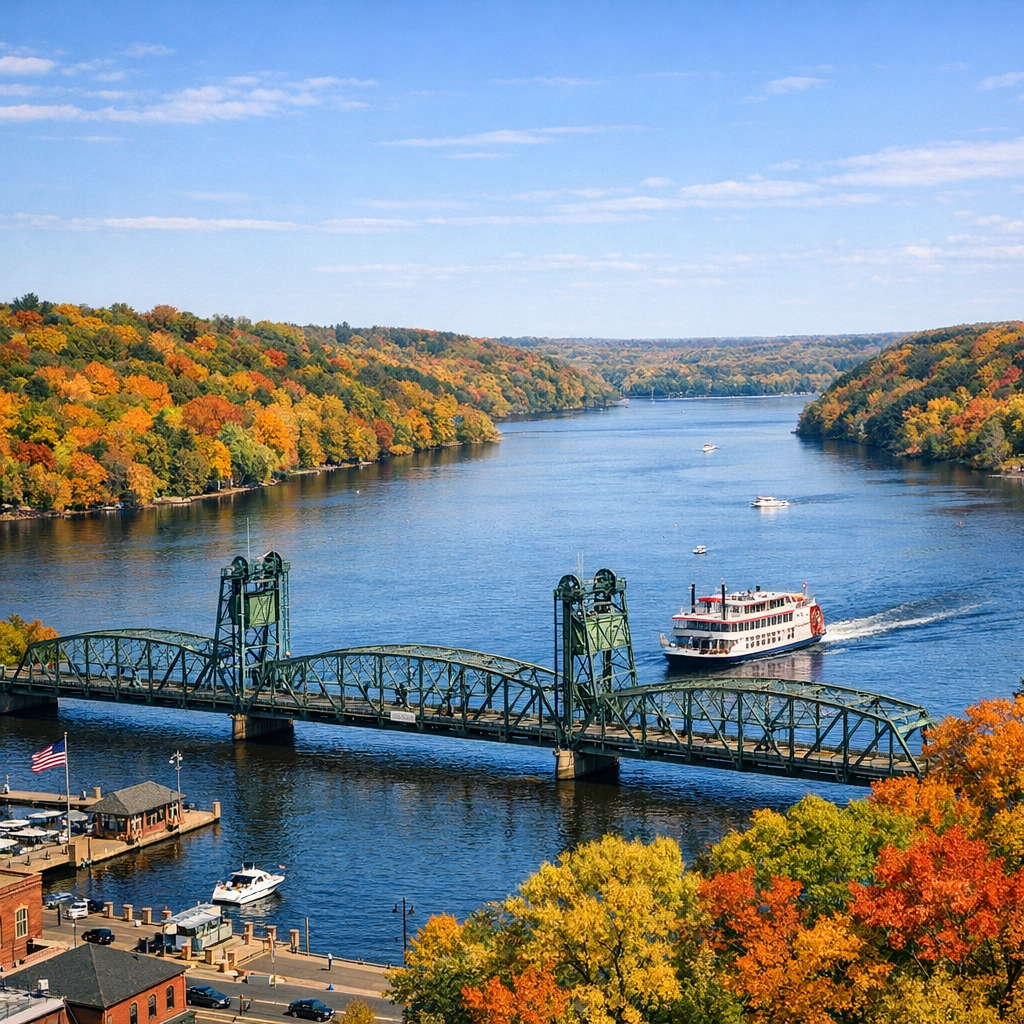
Stillwater, Minnesota, experiences a diverse range of weather conditions throughout the year, characterized by distinct seasonal changes. Understanding these patterns can help residents and visitors prepare for the varying climate.
Winter
Winter in Stillwater is typically cold and snowy. Average high temperatures in January hover around 24°F, with lows near 9°F. Snowfall is common, contributing to the city’s picturesque winter landscape. Residents should be prepared for freezing temperatures and occasional snowstorms during this season.
Spring
As spring arrives, temperatures gradually warm. March sees average highs of 42°F, increasing to 56°F in April and 69°F by May. This season also brings increased precipitation, with April averaging 2.42 inches of rainfall. The warming temperatures and rainfall contribute to the blooming of local flora, making it a vibrant time in Stillwater.
Summer
Summers are warm and humid, with July being the hottest month. Average highs reach 83°F, and lows are around 64°F. June tends to be the wettest month, averaging 4.63 inches of rainfall. Thunderstorms are common during this period, so it’s advisable to stay updated on weather forecasts.
Fall
Fall brings cooler temperatures and a decrease in precipitation. September averages highs of 73°F, dropping to 58°F by October. The chance of a wet day decreases from 33% at the start of fall to 13% by the end. This season is marked by beautiful foliage, making it a popular time for outdoor activities.
Environmental Considerations
Stillwater’s climate has implications for local water bodies. The Minnesota Pollution Control Agency has identified several impaired waters in the area, including the St. Croix River and Long Lake. Common issues include high levels of phosphorus leading to algae growth. Community efforts are ongoing to address these environmental challenges and improve water quality.
Understanding Stillwater’s climate and its impact on the environment is essential for residents and visitors alike. Staying informed about seasonal changes and participating in local conservation efforts can help preserve the natural beauty of the area.