

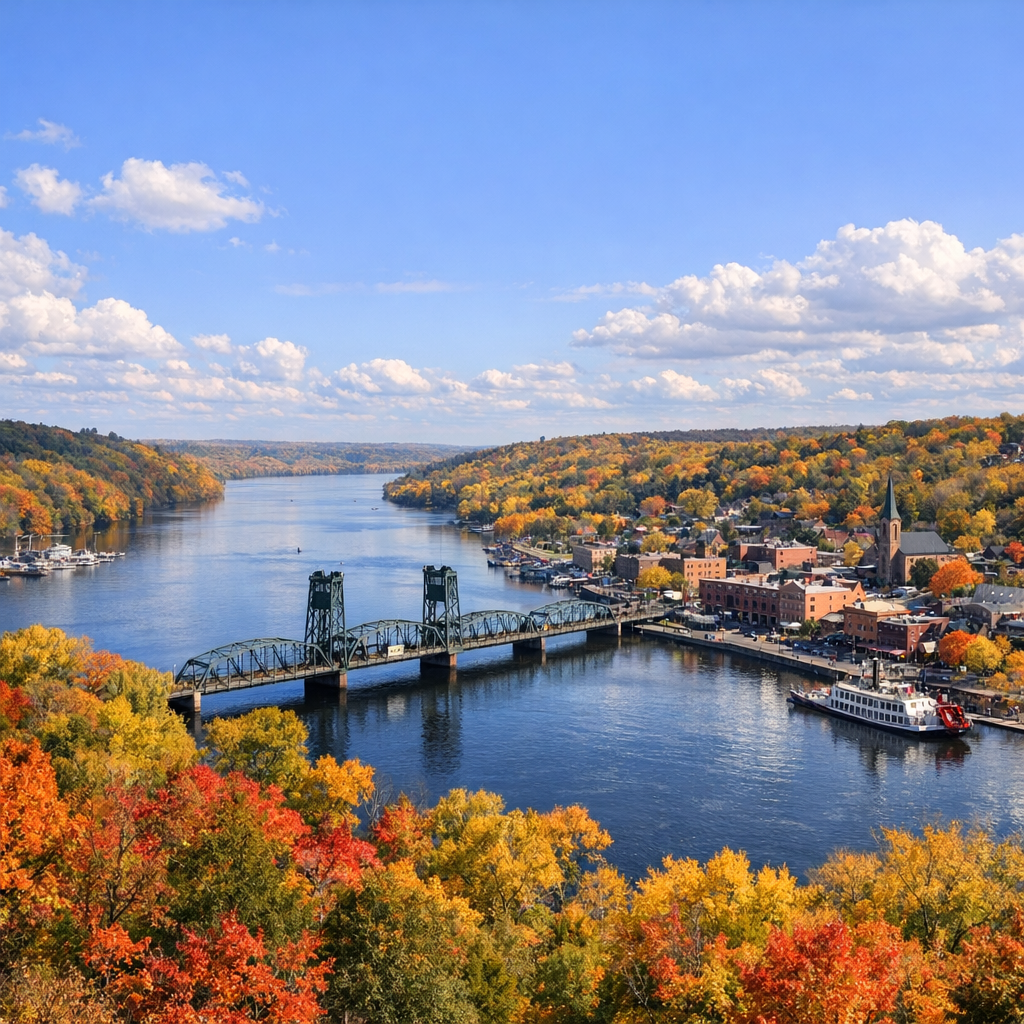
Located along the St. Croix River, Stillwater, Minnesota, experiences a diverse range of weather conditions throughout the year. Understanding these patterns can help residents and visitors alike prepare for the seasons.
Seasonal Temperature Variations
Stillwater’s climate is characterized by distinct seasons:
- Winter (December to February): Average high temperatures range from 24°F (-4°C) in January to 29°F (-2°C) in February, with lows dipping to around 9°F (-13°C). Snowfall is common during these months.
- Spring (March to May): Temperatures gradually rise, with average highs reaching 56°F (13°C) in April and 69°F (21°C) in May. This season also sees increased rainfall.
- Summer (June to August): Warm and humid conditions prevail, with average highs peaking at 83°F (28°C) in July. Thunderstorms are more frequent during this period.
- Autumn (September to November): Temperatures cool down, with average highs decreasing from 73°F (23°C) in September to 43°F (6°C) in November. Fall foliage is a highlight during this season.
Precipitation and Weather Events
Annual precipitation in Stillwater averages around 28.83 inches (732 mm). The summer months, particularly June, tend to be the wettest, with an average of 4.63 inches (118 mm) of rainfall. Winter months receive less precipitation, but snowfall is common, contributing to the overall moisture levels.
In recent years, Minnesota has experienced an increase in extreme weather events, including heavier downpours and more frequent flooding. These changes are attributed to broader climate trends affecting the region.
Preparing for Stillwater’s Climate
Being aware of Stillwater’s seasonal weather patterns allows residents to plan accordingly. Whether it’s ensuring proper insulation for winter, preparing for summer storms, or enjoying the mild temperatures of spring and fall, understanding the local climate is key to making the most of each season.
For more detailed and up-to-date weather information, it’s advisable to consult local weather services and resources.