

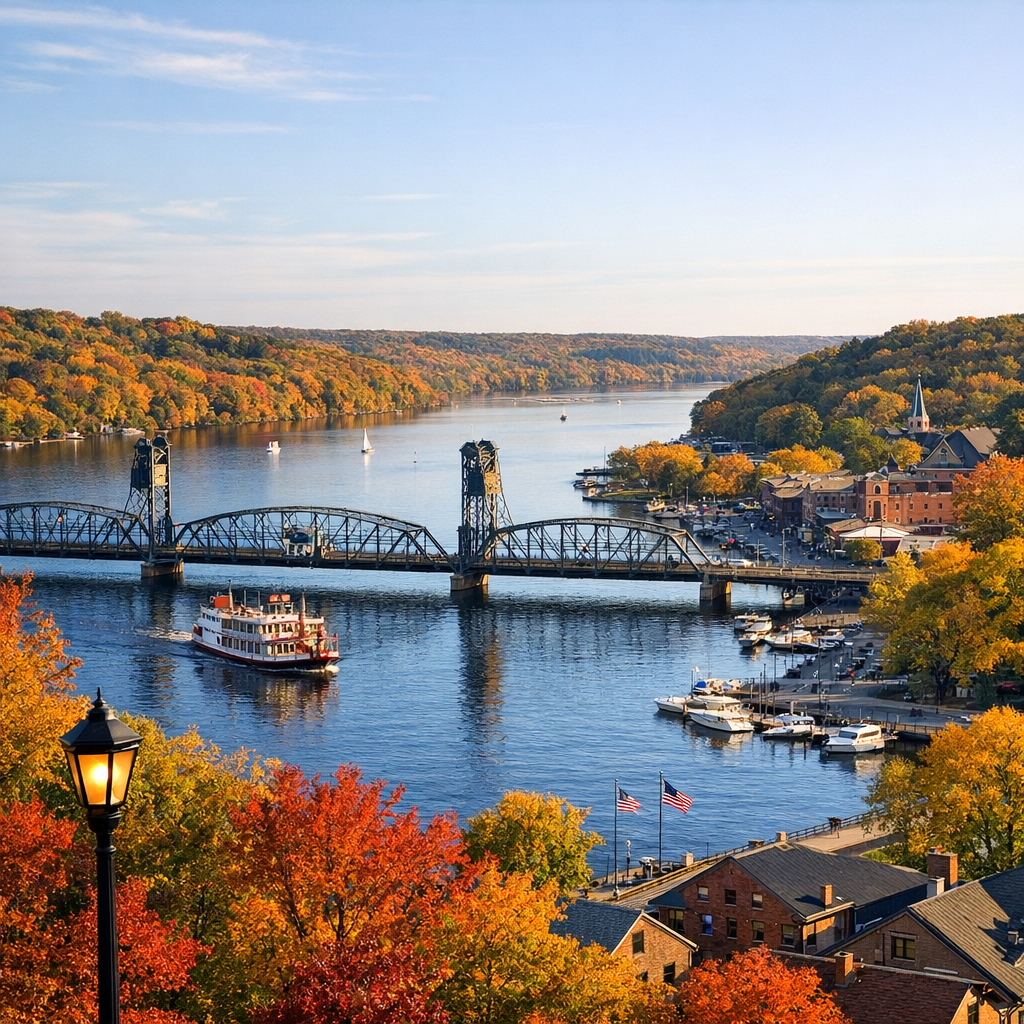
Stillwater, Minnesota, experiences a diverse range of weather conditions throughout the year, characteristic of a humid continental climate. Understanding these patterns can help residents and visitors prepare for seasonal changes and appreciate the natural beauty of the area.
Winter: Cold and Snowy
Winters in Stillwater are typically cold, with average low temperatures around 6.9°F in January and 10.2°F in February. Snowfall is common, averaging 9.1 inches in January and 10.6 inches in February. Residents should be prepared for icy conditions and ensure their homes and vehicles are winter-ready.
Spring: Gradual Warming
Spring brings a gradual increase in temperatures, with average highs reaching 41.3°F in March and 56.2°F in April. Precipitation also increases during this period, with April averaging 3.18 inches of rainfall. This season is marked by melting snow and budding flora, making it a beautiful time to explore local parks and trails.
Summer: Warm and Humid
Summers are warm and can be humid, with average high temperatures peaking at 82.7°F in July. June is typically the wettest month, averaging 5.05 inches of rainfall. Thunderstorms are common, so it’s advisable to stay updated on weather forecasts during outdoor activities.
Fall: Cool and Crisp
Fall sees a decline in temperatures, with average highs of 72.8°F in September and 58.7°F in October. Precipitation decreases compared to summer months, averaging 3.53 inches in September. The changing foliage offers picturesque landscapes, making it a popular season for outdoor enthusiasts.
Environmental Considerations
Stillwater’s proximity to the St. Croix River and various lakes means that water quality is a significant environmental concern. Some local water bodies have been listed as impaired due to pollutants. Community efforts are ongoing to monitor and improve water quality, ensuring the health of aquatic ecosystems and safe recreational use.
By staying informed about Stillwater’s climate and environmental factors, residents can better prepare for seasonal changes and contribute to the preservation of the area’s natural resources.