

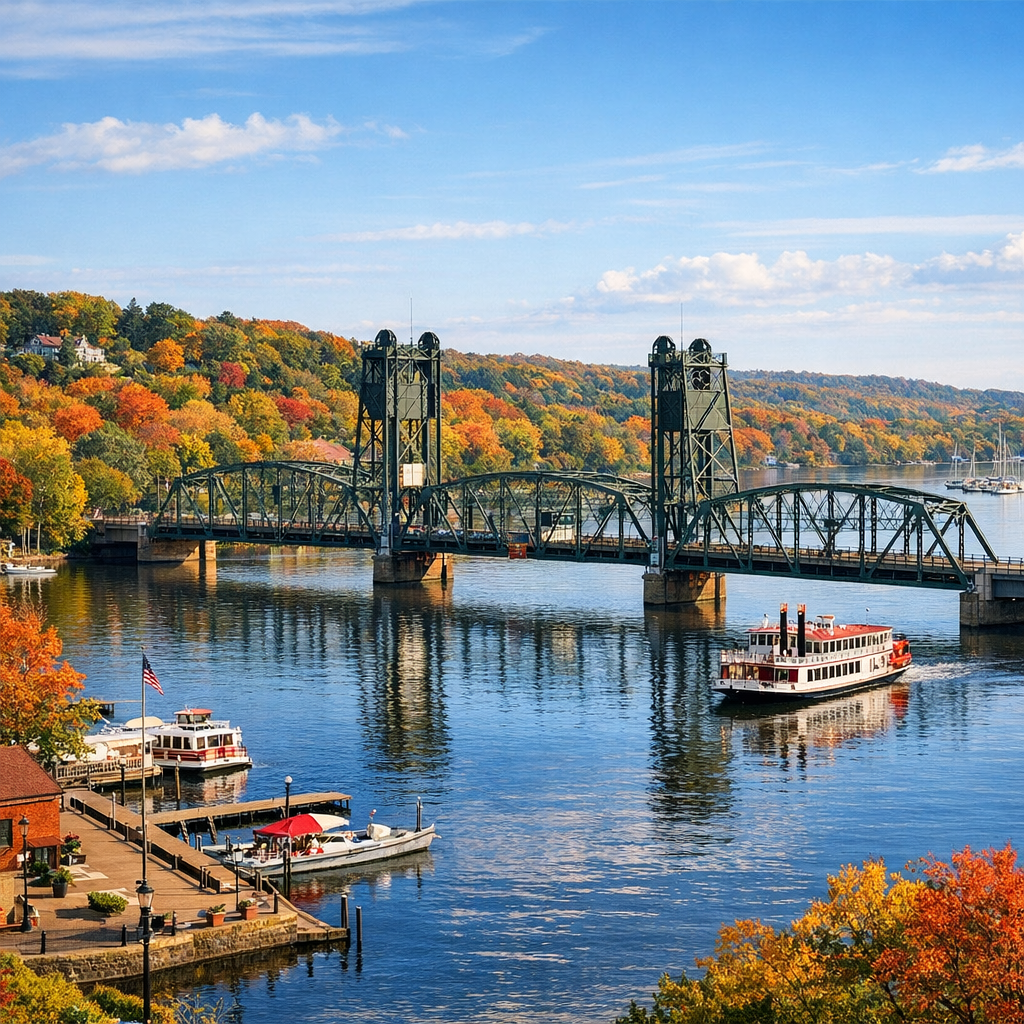
Located in the heart of Minnesota, Stillwater experiences a diverse range of weather conditions throughout the year. Understanding these patterns can help residents and visitors alike prepare for the seasons.
Winter: December to February
Winters in Stillwater are notably cold and snowy. Average high temperatures hover around 24°F (-4°C), while lows can dip to approximately 7°F (-14°C). Snowfall is common, contributing to the picturesque winter landscapes the area is known for.
Spring: March to May
Spring brings a gradual warming trend. March sees average highs of 42°F (6°C), increasing to 69°F (21°C) by May. This season also marks an uptick in precipitation, with May averaging around 3.73 inches (95 mm) of rainfall, fostering the blooming of local flora.
Summer: June to August
Summers are warm and humid, with average highs reaching 83°F (28°C) in July. June tends to be the wettest month, averaging 4.63 inches (118 mm) of rainfall. Despite the humidity, summer offers ample opportunities for outdoor activities along the St. Croix River.
Autumn: September to November
Autumn is characterized by cooler temperatures and vibrant foliage. September starts with average highs of 73°F (23°C), cooling to 43°F (6°C) by November. Rainfall decreases during this period, averaging around 2.97 inches (75 mm) in September.
Climate Trends
Over the past century, Minnesota has experienced a warming trend of approximately 3°F (1.7°C), with notable increases in winter temperatures. Additionally, the state has seen a rise in annual precipitation by about 3.4 inches (86 mm), leading to more frequent heavy rainfall events. These changes have implications for local ecosystems and infrastructure.
By staying informed about Stillwater’s climate patterns and ongoing trends, residents can better prepare for seasonal changes and contribute to community resilience.