

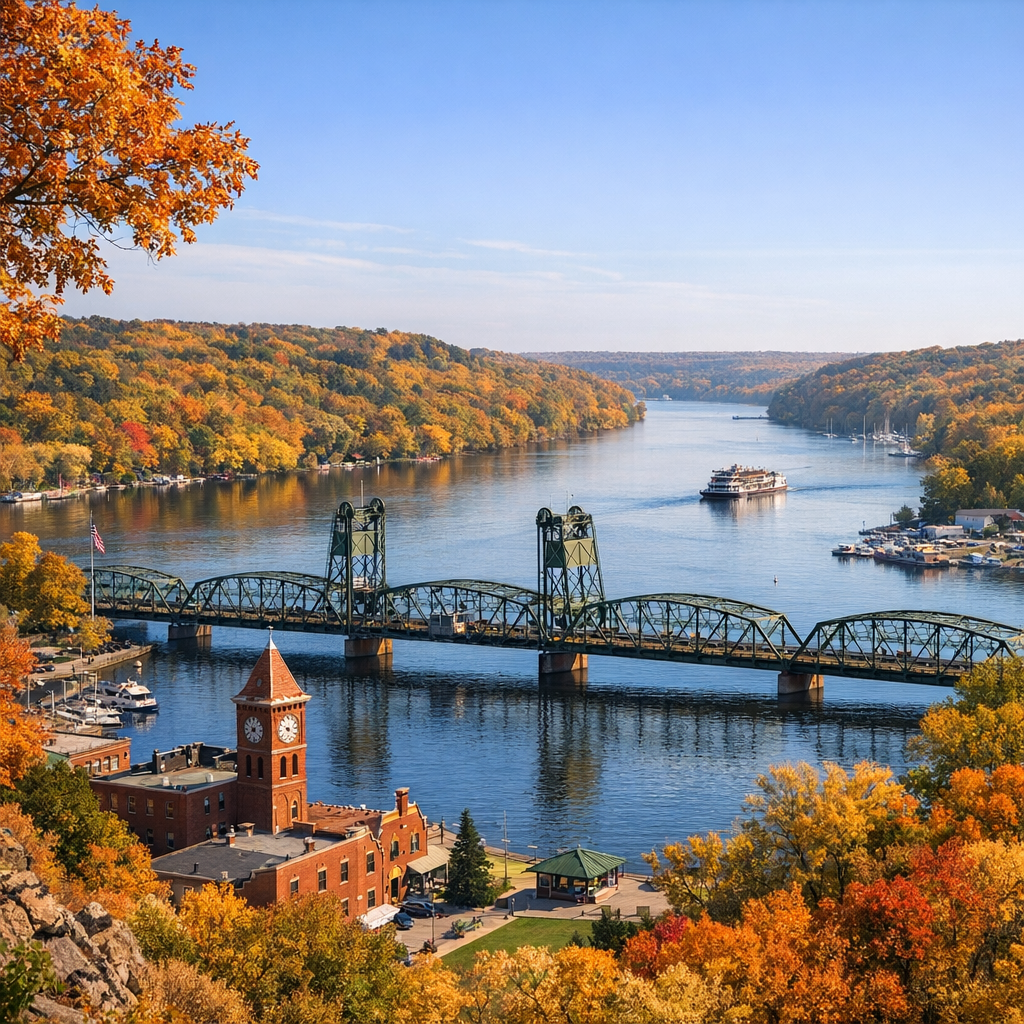
Located along the scenic St. Croix River, Stillwater, Minnesota, experiences a diverse range of weather conditions throughout the year. Understanding these patterns can help residents and visitors prepare for the seasons and appreciate the natural beauty of our area.
Winter: Cold and Snowy
Winter in Stillwater is characterized by freezing temperatures and snowfall. Average low temperatures in January hover around 6.9°F, with highs reaching approximately 24.0°F. Snowfall is common, contributing to the picturesque winter landscapes that many enjoy.
Spring: Gradual Warming
As spring arrives, temperatures begin to rise. March sees average highs of 41.3°F, increasing to 56.2°F in April. This season also brings increased precipitation, with April averaging 3.18 inches of rainfall, supporting the blooming flora and rejuvenating the local environment.
Summer: Warm and Wet
Summers are warm and can be humid, with July being the warmest month, averaging highs of 82.7°F. June typically experiences the highest rainfall, averaging 5.05 inches, often leading to lush greenery and vibrant landscapes.
Fall: Cooling Temperatures
Autumn brings cooler temperatures and a decrease in precipitation. September averages highs of 72.8°F, dropping to 58.7°F by October. The fall foliage along the St. Croix River is a highlight, attracting many to the area.
Environmental Considerations
Stillwater’s climate supports a variety of ecosystems. However, residents should be aware of environmental factors such as the presence of per- and polyfluoroalkyl substances (PFAS) in drinking water. The city provides information on PFAS levels and safety measures to ensure public health.
By understanding Stillwater’s climate and environmental factors, we can better appreciate and protect the natural beauty of our community.