

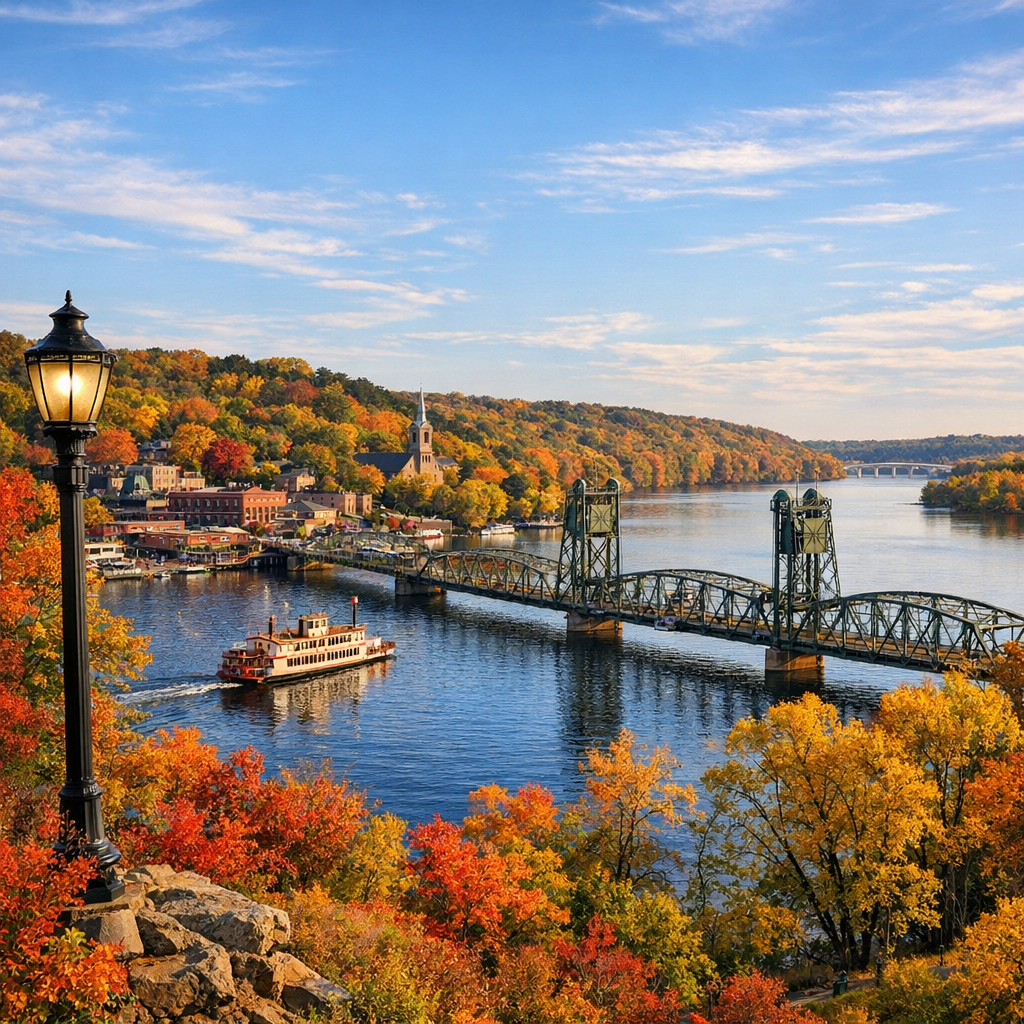
Located along the scenic St. Croix River, Stillwater, Minnesota, experiences a diverse range of weather conditions throughout the year. Understanding these patterns can help residents and visitors prepare for the seasons and appreciate the natural beauty of the area.
Winter: Cold and Snowy
Winter in Stillwater is characterized by freezing temperatures and significant snowfall. Average high temperatures in January hover around 24°F (-4.4°C), with lows dipping to approximately 6.9°F (-14°C). Snowfall is common, with January averaging about 9.1 inches (23 cm) of snow. Residents should be prepared for icy conditions and ensure their homes and vehicles are winter-ready.
Spring: Gradual Warming
As spring arrives, temperatures begin to rise, and the snow melts away. March sees average highs of 41.3°F (5.2°C) and lows around 22.2°F (-5.4°C). By May, temperatures are more comfortable, with highs reaching 68.5°F (20.3°C) and lows around 48.1°F (8.9°C). Spring also brings increased rainfall, averaging 4.21 inches (10.7 cm) in May, which contributes to the lush greenery of the region.
Summer: Warm and Humid
Summers in Stillwater are warm and can be humid. July is typically the warmest month, with average highs of 82.7°F (28.2°C) and lows around 63.1°F (17.3°C). Humidity levels are higher during this season, making it feel warmer. Thunderstorms are common, and June often records the highest monthly precipitation, averaging 5.05 inches (12.8 cm).
Fall: Crisp and Colorful
Autumn brings cooler temperatures and vibrant foliage. September sees average highs of 72.8°F (22.7°C) and lows around 52.2°F (11.2°C). By November, temperatures drop to highs of 42.8°F (6°C) and lows of 26.7°F (-2.9°C). Rainfall decreases during the fall months, with November averaging 1.73 inches (4.4 cm).
Environmental Considerations
Stillwater’s climate supports a rich ecosystem, but it’s essential to be aware of environmental challenges. The Minnesota Pollution Control Agency has identified several water bodies in the area, including the St. Croix River and Lily Lake, as impaired due to pollutants. Community efforts are ongoing to address these issues and protect the local environment.
By understanding Stillwater’s climate and environmental factors, residents can better prepare for seasonal changes and contribute to preserving the natural beauty of the region.