

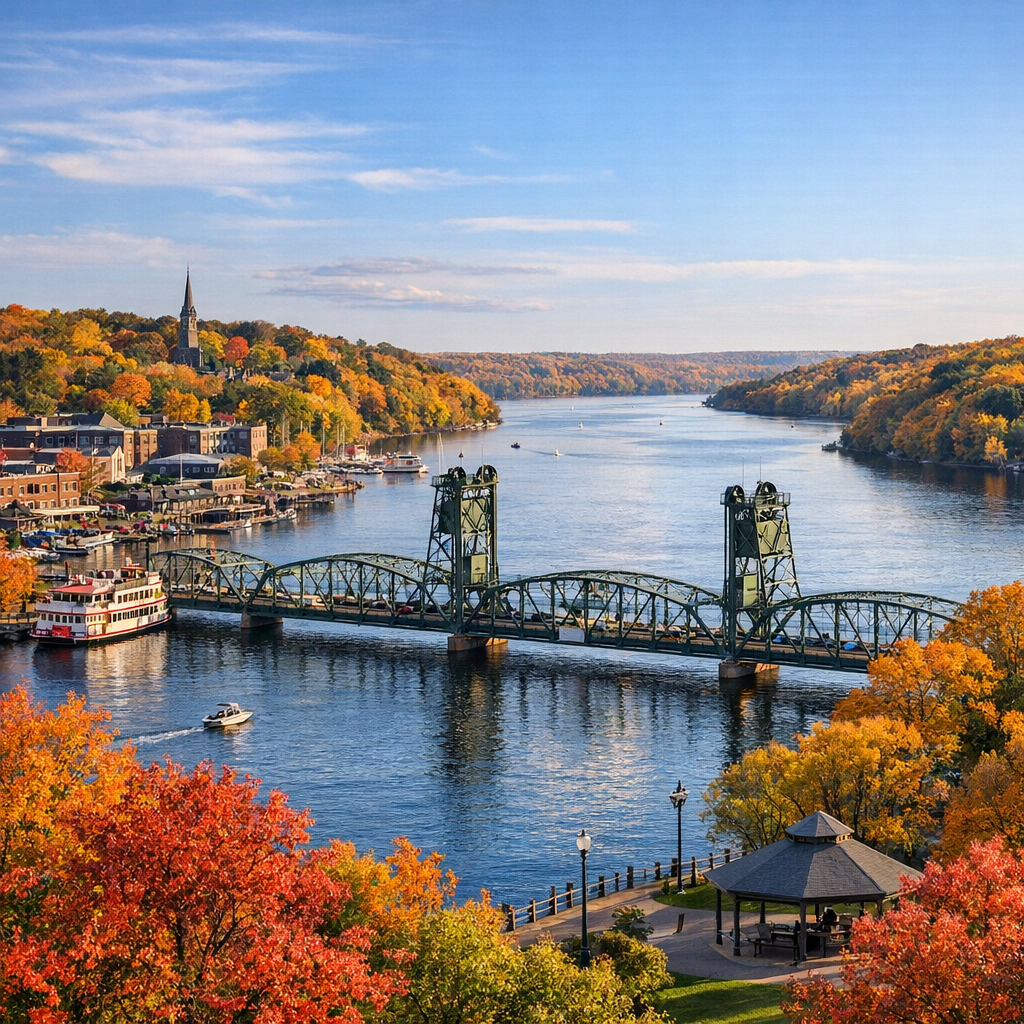
Stillwater, Minnesota, experiences a diverse range of weather conditions throughout the year, characteristic of a humid continental climate. This article provides an overview of the typical weather patterns and environmental factors that shape our local climate.
Winter
Winters in Stillwater are cold and snowy. Average high temperatures in January are around 24°F, with lows dipping to approximately 9°F. Snowfall is common, contributing to the picturesque winter landscapes our community enjoys.
Spring
Spring brings a gradual warming trend. By April, average high temperatures reach about 56°F, with lows around 37°F. This season also sees increased precipitation, averaging 2.42 inches, which supports the blooming of local flora.
Summer
Summers are warm and humid. July, the warmest month, typically has average highs of 83°F and lows of 64°F. This period also experiences the highest rainfall, with June averaging 4.63 inches, often due to thunderstorms.
Fall
Autumn is marked by cooler temperatures and vibrant foliage. By October, average highs are around 58°F, with lows near 40°F. Precipitation decreases during this season, averaging 2.60 inches.
Environmental Considerations
Our local environment is influenced by these seasonal changes. The St. Croix River, a prominent feature of Stillwater, is affected by varying precipitation levels, impacting water quality and local ecosystems. Additionally, the area has seen a gradual increase in average temperatures over the past century, leading to more frequent extreme heat events and variable precipitation patterns.
Understanding these patterns helps residents and visitors prepare for the weather and appreciate the natural beauty of Stillwater throughout the year.