

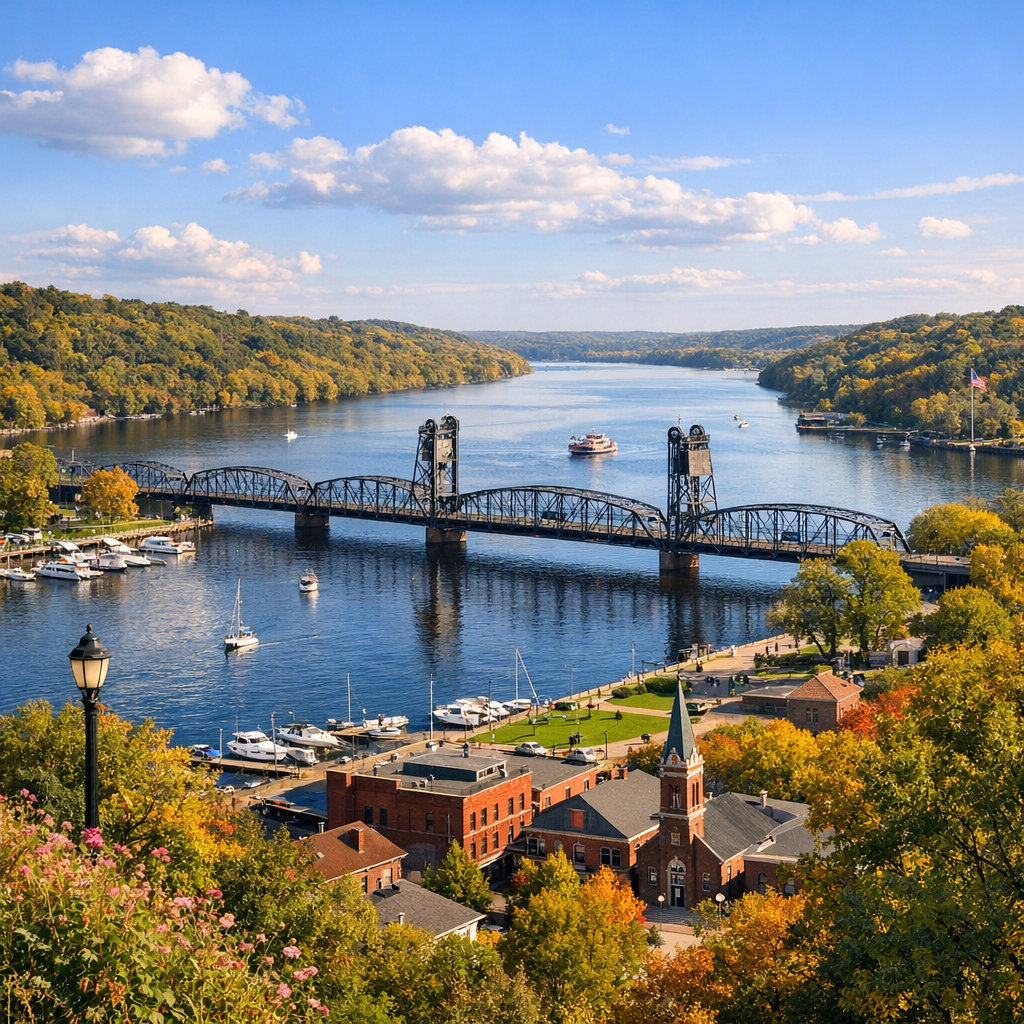
Stillwater, Minnesota, experiences a diverse climate characterized by warm, wet summers and cold, snowy winters. Throughout the year, temperatures typically range from 8°F to 82°F, with July being the warmest month, averaging a high of 81°F and a low of 62°F. January stands as the coldest month, with average highs around 24°F and lows near 9°F. Precipitation is fairly evenly distributed, with June being the wettest month, averaging 4.63 inches of rainfall.
In recent decades, Minnesota has observed significant climatic shifts. The state has warmed by approximately 3°F between 1895 and 2020, with notable increases in winter temperatures. Additionally, annual precipitation has risen by an average of 3.4 inches during the same period. These changes have led to more frequent and intense weather events, including heavy rainfall and flooding.
Recognizing these challenges, the Stillwater community has initiated several environmental efforts. The Climate Action Workgroup advocates for comprehensive policies aimed at reducing greenhouse gas emissions and adapting to climate change. Their initiatives encompass energy-efficient buildings, electrifying vehicle fleets, optimizing waste operations, expanding public transportation, and promoting renewable energy sources.
Furthermore, the City of Stillwater has taken steps to protect pollinators by promoting healthy environments, considering alternatives to harmful pesticides, and planting pollinator-friendly vegetation. These actions reflect the community’s commitment to environmental stewardship and sustainability.
Understanding Stillwater’s climate patterns and the proactive measures being undertaken is essential for residents. Staying informed and engaged enables the community to navigate and adapt to the evolving environmental landscape effectively.