

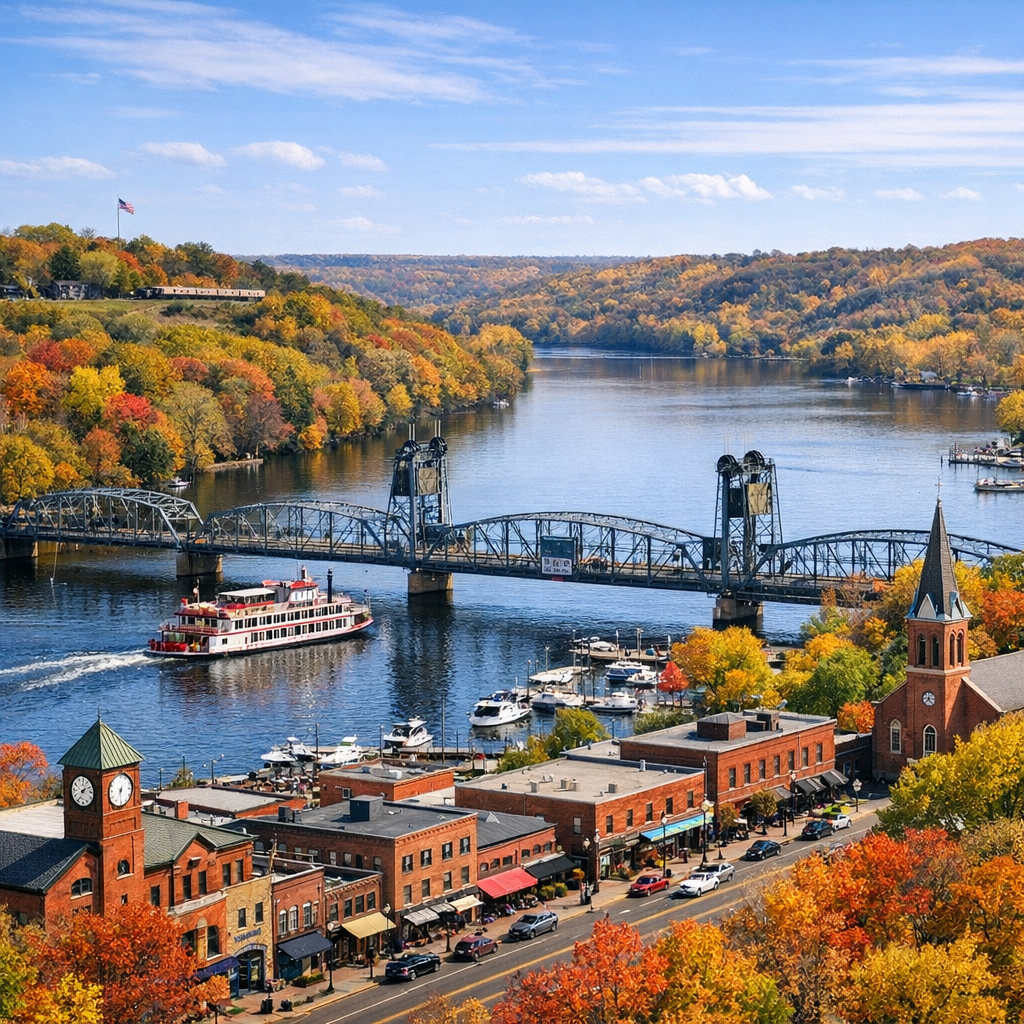
Living in Stillwater, Minnesota, offers residents the opportunity to experience the full spectrum of the four seasons. Understanding the local climate patterns can help you better prepare for seasonal changes and make the most of what each season has to offer.
Seasonal Overview
Winter
Winters in Stillwater are typically cold and snowy. Average high temperatures in January hover around 24°F, with lows around 9°F. Snowfall is common, and residents should be prepared for icy conditions and occasional snowstorms.
Spring
Spring brings a gradual warming trend. By April, average high temperatures reach 56°F, with lows around 37°F. This season also sees increased precipitation, averaging 2.42 inches in April, contributing to the lush greenery that emerges.
Summer
Summers are warm and humid. July is the warmest month, with average highs of 83°F and lows of 64°F. Rainfall is more frequent, averaging 3.77 inches in July, often in the form of thunderstorms.
Autumn
Autumn features cooler temperatures and vibrant foliage. By October, average highs are around 58°F, with lows near 40°F. Precipitation decreases, averaging 2.60 inches in October.
Environmental Considerations
Stillwater’s climate influences local environmental initiatives. The city participates in the Minnesota GreenStep Cities program, aiming to promote sustainability and resilience. Residents are encouraged to adopt practices such as minimizing salt use for deicing in winter and clearing road gutters of debris in spring to protect local waterways.
Additionally, the Environmental Learning Center at Stillwater Area High School offers educational opportunities to learn about local ecosystems and the impact of climate on our environment.
Adapting to the Climate
Understanding these patterns allows residents to plan activities and home maintenance accordingly. For instance, preparing for winter by insulating homes and ensuring heating systems are functional can lead to energy savings. In summer, utilizing shade and ventilation can help keep homes cool without over-reliance on air conditioning.
By staying informed about Stillwater’s climate and participating in local environmental initiatives, residents can enjoy the beauty of each season while contributing to the community’s sustainability efforts.