

By James Larson
Stillwater and the broader Minnesota region are seeing real shifts in weather and environment—changes that affect everything from when ice forms on St. Croix waters to how often we pull out umbrellas instead of snow boots. These aren’t just hotter highs or colder lows; long-term trends are reshaping seasons, ecosystems, and daily weather patterns.
How local climate has changed
Over the past century, Minnesota has warmed by roughly 3-3.5°F, with winter temperatures rising fastest. Night-time lows in winter have climbed especially rapidly. In Stillwater, this means fewer bitter arctic nights and milder stretches during late fall and winter. Meanwhile, annual precipitation has edged up by several inches—it’s not just “more rain,” but heavier storms and shifts in when moisture arrives. Snow seasons are shrinking, and ice cover on lakes now lasts noticeably shorter periods.
What this looks like locally in Stillwater
Earlier thaws & shorter ice cover
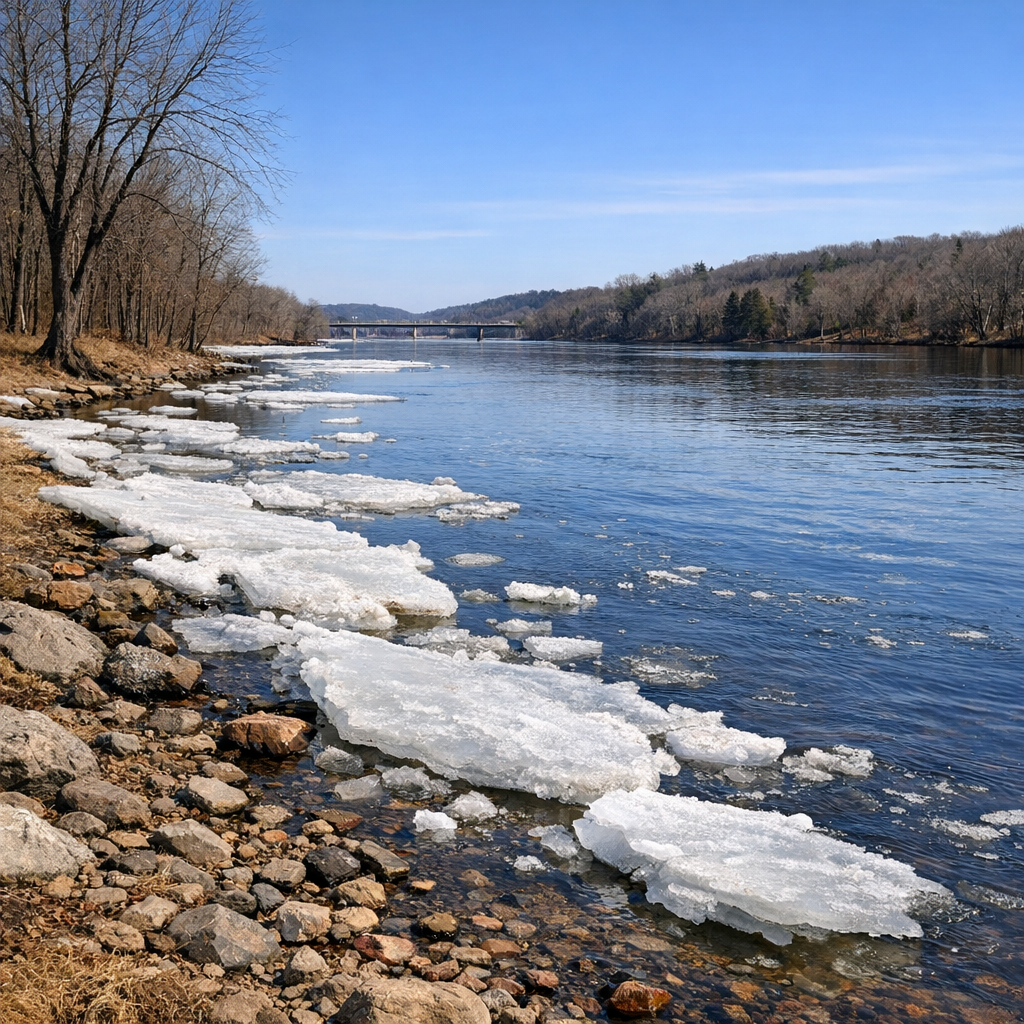
Winter ice forming later, spring melt arriving sooner: historically, local ice-out dates have crept forward as winters warm. St. Croix and adjacent lakes now see thinner, less durable ice, and the window for safe winter recreation continues to narrow.
More intense precipitation, plus dry gaps
Rather than steady rain, patterns are tipping toward heavy downpours—storms dumping large amounts of rain in short time. Between these events, dry spells stretch longer, stressing soil, gardens, lawns, and local waterways. Flood risk spikes when storms coincide with soil or river basins already saturated.
Seasonal shifts and changing expectations
Gone are some of the extreme cold extremes of the past. What once felt like a normal bitter winter now feels exceptional. Vegetation, wildlife, and insects are adjusting: plant blossoms may appear earlier, pests thrive in milder fall or spring nights, and migratory patterns subtly shift. It all adds up to a different rhythm of the seasons for those who pay attention to the land and water.
What the science tells us—and what to expect
Looking ahead, most projections suggest the current trends will continue or accelerate. Warmer winters and nights remain likely. Heavier storms will become more common. Snow seasons may contract further. Summer heatwaves could intensify, while drought stress—real or localized—will grow during dry intervals.
Local ecosystems will be shaped by these changes: shoreline erosion from heavier rains, stress to cold-dependent fish and plant species, earlier emergence of insects, and changes in water quality due to runoff patterns. For residents, homeowners, recreational users, and farmers, that means adjusting expectations and planning accordingly.
What Stillwater can do
- Monitor ice conditions carefully—what used to be considered safe in years past may not be anymore.
- Manage stormwater locally: rain gardens, permeable surfaces, and native plantings help buffer flood peaks and support soil health.
- Think seasonally when planting or landscaping: choose species resilient to cold stress, fluctuating moisture, and shifting freeze-thaw cycles.
- Support community awareness: knowing what changes are underway helps locals adapt and take action.
Stillwater’s weather and environment have always been shaped by extremes—deep cold, fierce storms, dry blinks, lush springs. What’s new is how those extremes are shifting. Understanding the change is the first step in adapting, living well, and keeping our community resilient.