

Climate change is a pressing global issue, and its effects are increasingly evident in communities like Stillwater, Minnesota. Understanding these impacts is crucial for developing effective local responses.
Rising Temperatures and Extreme Weather
Minnesota has experienced a notable increase in temperatures, particularly during winter nights in the northern regions. This warming trend contributes to more frequent and intense storms, leading to flooding that can damage infrastructure, homes, and natural resources. Such events pose significant challenges for local governments and residents alike.
Local Environmental Initiatives
In response to these challenges, Stillwater has undertaken several initiatives aimed at promoting sustainability and resilience:
Environmental Learning Center
Located behind Stillwater Area High School, the Environmental Learning Center (ELC) is a 55-acre area featuring diverse biomes, including oak forests, prairies, and coniferous plantings. The ELC serves as an outdoor classroom where students engage in activities like banding migratory birds and studying local wildlife, fostering a deeper connection with the environment.
Sustainable Stillwater MN
Established in 2016, Sustainable Stillwater MN is a nonprofit organization dedicated to promoting social, economic, and environmental resilience. The group has been instrumental in initiatives such as the GreenStep Cities program, which provides guidelines for cities to achieve sustainability and improve quality of life. Their efforts encompass areas like green building, energy efficiency, and natural resource conservation.
Energy Action Plan
Stillwater’s Energy Action Plan offers residents and businesses strategies to save energy, reduce costs, and lower carbon emissions. Developed in collaboration with community members, the plan focuses on education and engagement to enhance energy resilience while preserving the city’s historic character.
Community Engagement and Education
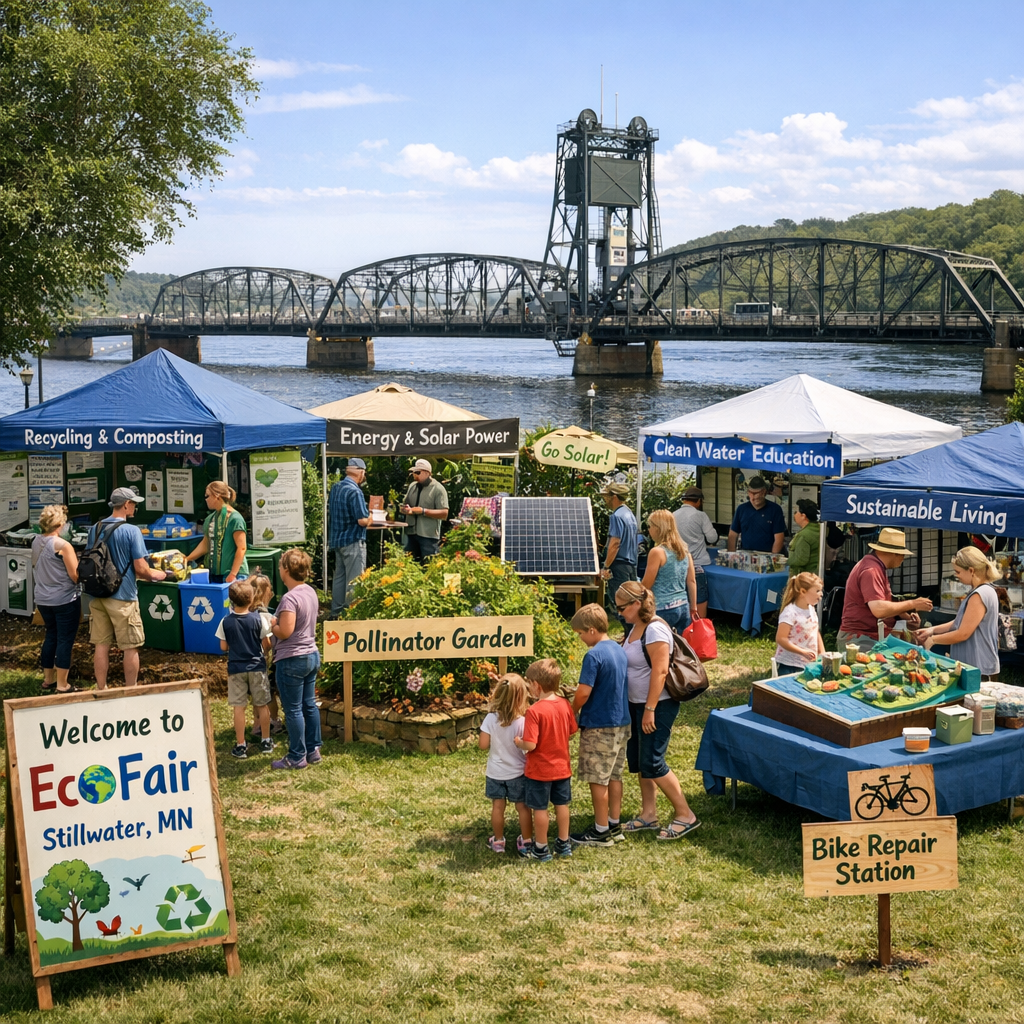
Community involvement is vital in addressing climate change. Events like the Valley Eco Fair, hosted by Sustainable Stillwater MN, bring together residents, businesses, and local leaders to learn about and participate in sustainability efforts. These gatherings provide opportunities for hands-on learning and foster a sense of collective responsibility.
Conclusion
While climate change presents significant challenges, Stillwater’s proactive initiatives demonstrate a commitment to environmental stewardship and community resilience. By understanding local impacts and participating in sustainability efforts, residents can contribute to a healthier, more sustainable future for Stillwater.