

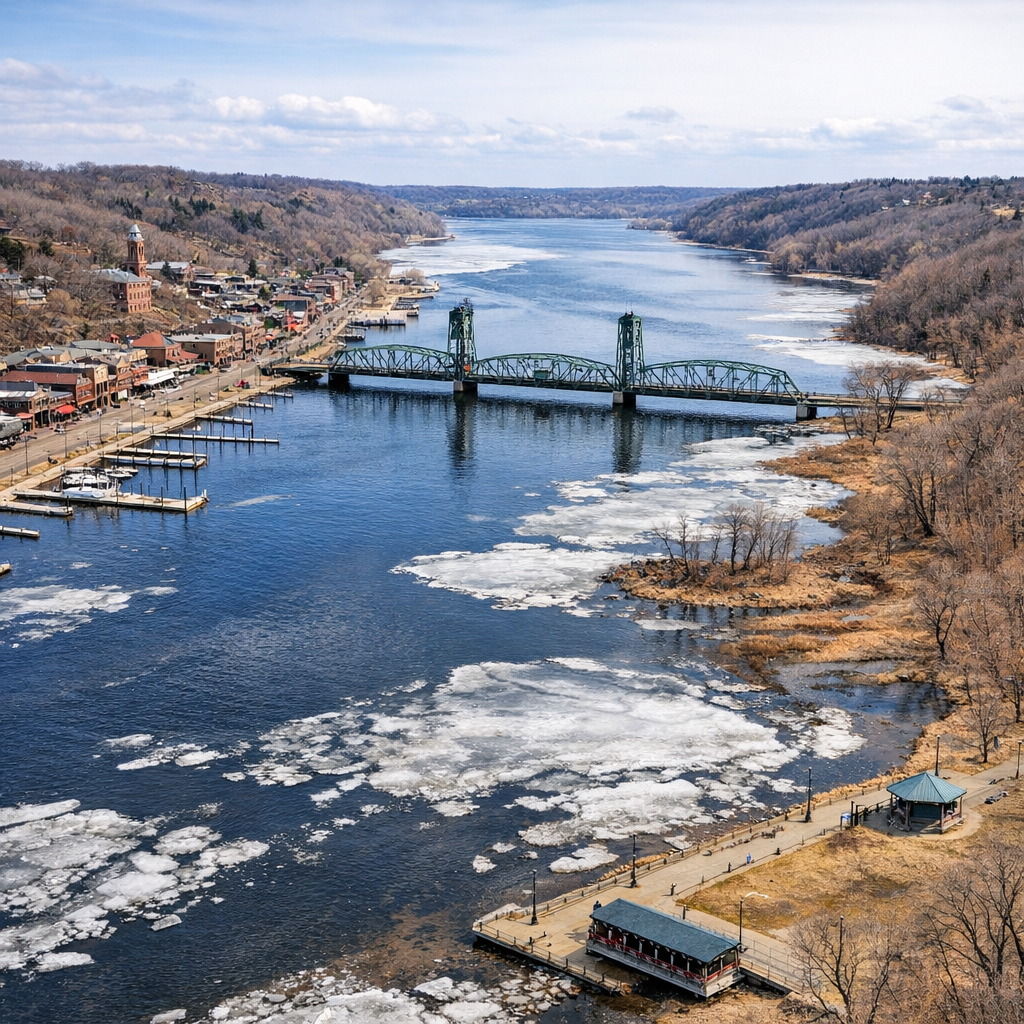
Climate change is a pressing issue that affects communities worldwide, including our own in Stillwater, Minnesota. Understanding its local impacts is crucial for developing effective strategies to mitigate its effects and adapt to new environmental realities.
Rising Temperatures and Changing Precipitation Patterns
Over the past century, Minnesota has experienced a significant increase in average temperatures, with a notable rise of approximately 3°F between 1895 and 2020. This warming trend is particularly evident during winter months, leading to shorter ice cover periods on lakes and rivers. Additionally, the state has seen an uptick in extreme precipitation events, resulting in more frequent and severe flooding incidents.
Effects on Local Ecosystems
The warming climate poses challenges to Minnesota’s diverse ecosystems. Warmer waters can stress coldwater fish species, potentially leading to declines in populations of lake trout and cisco. Moreover, increased temperatures and altered precipitation patterns can disrupt plant growth cycles, affecting both natural habitats and agricultural productivity.
Community Initiatives and Adaptation Efforts
In response to these challenges, the City of Stillwater has developed an Energy Action Plan aimed at reducing greenhouse gas emissions and enhancing energy efficiency. The plan sets a community-wide goal to save 3.8 million kWh of electricity and 198,000 therms of natural gas by the end of 2025. Achieving this goal is expected to avoid an additional 58% of energy-related greenhouse gas emissions and save the community $450,000.
Local organizations, such as Sustainable Stillwater MN, are also actively involved in climate action. Their Climate Action Workgroup advocates for comprehensive policies to reduce emissions and adapt to climate change impacts. Initiatives include promoting energy-efficient buildings, expanding public transportation, and supporting renewable energy sources.
Individual Actions Matter
Residents can contribute to mitigating climate change by adopting energy conservation practices at home. Simple steps like improving insulation, using energy-efficient appliances, and reducing water usage can collectively make a significant impact. Additionally, staying informed about local climate initiatives and participating in community programs can help build a more resilient Stillwater.
Understanding and addressing the impacts of climate change is a shared responsibility. By working together, we can protect our environment and ensure a sustainable future for Stillwater.