

By Olivia Johnson
Each day, the headlines about conflicts, disease outbreaks, and natural disasters underscore one fact: global health systems are under pressure. The World Health Organization, UN partners, and health organizations are raising alarms over a global financing crisis that’s now affecting services for women, children, and adolescents in numerous countries.
Where the funding is falling short
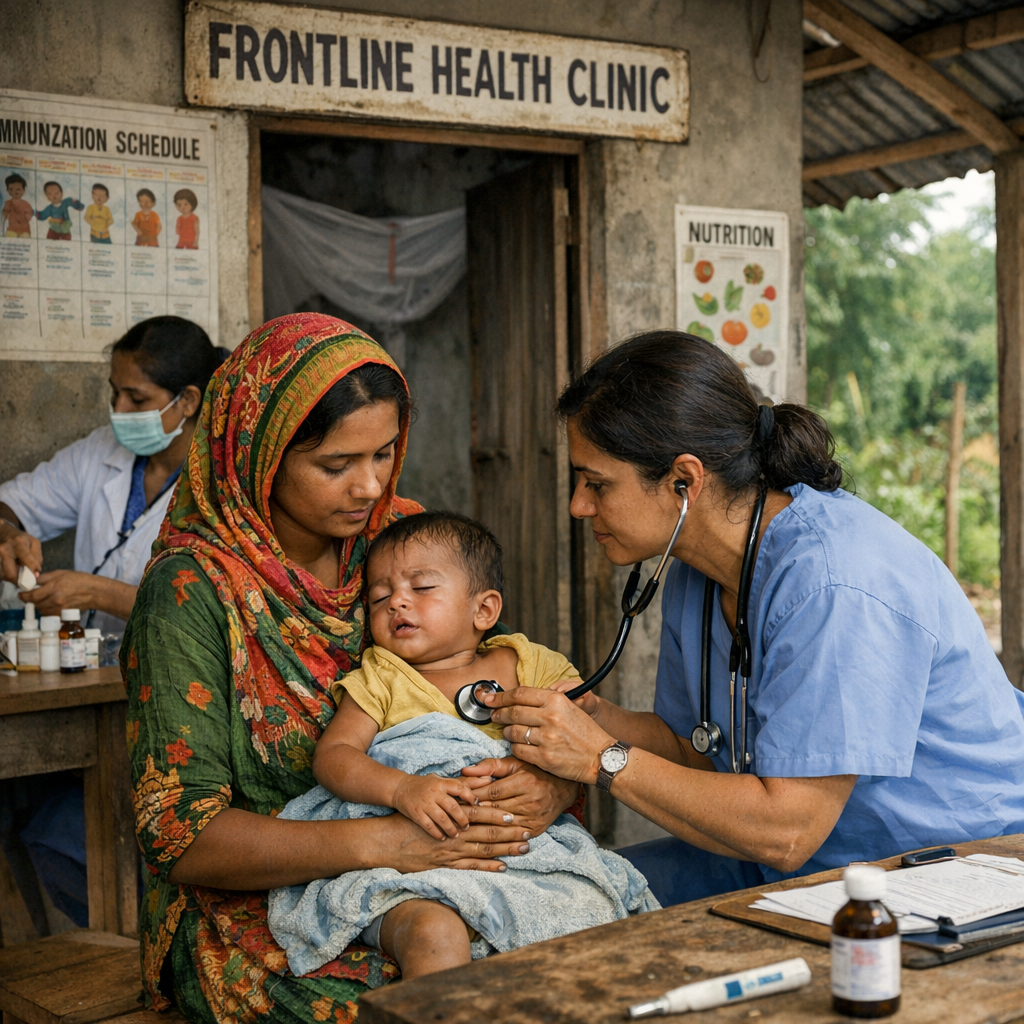
A recent survey covering organizations in at least 67 countries found that nearly 80% are facing reduced or uncertain funding. That’s not just numbers—many are downsizing or closing vital programs in maternal health, immunization outreach, and nutrition. For example, cuts have shut down or scaled back more than 1,000 health or mobile facilities.
Analysts warn that the cumulative effects of these cuts are severe: by 2030, between 9.4 million and 22.6 million additional deaths could occur, including 2.5 to 5.4 million children under age five, if financing trends don’t change.
Causes of the crisis
One major driver is the drop in international development assistance. In 2026, official aid is projected to drop again after already shrinking in prior years. Many governments and donors are reprioritizing domestic concerns in response to economic pressures, geopolitical changes, rising costs, and crises closer to home.
Another issue: the shift from emergency response toward long-term planning has revealed structural weaknesses in health systems. Fragile or conflict-affected countries—where most maternal and child deaths occur—are hit hardest. Local organizations, often on the front lines, struggle when global funds are delayed or unpredictable.
Why the impact matters globally and locally
The fallout from health service disruption isn’t contained to one region. Disease outbreaks can spread, nutrition gaps increase vulnerability to illness, and reduced access to family planning can drive higher population pressures in fragile areas—each of which has ripple effects across borders. Better health globally also reduces spillover risk into places like the U.S.
For communities in Stillwater, the crisis may feel distant—but the implications aren’t. Global supply chains for vaccines, medicines, and medical equipment often cross multiple countries. Disruptions in production or delayed exports can delay or increase costs for healthcare providers everywhere.
Paths forward
Experts urge a multi-pronged approach:
- Restore and increase flexible, predictable funding from donor countries and international institutions.
- Boost support for local health organizations that understand on-the-ground needs.
- Innovate financing models—such as debt-for-health swaps, mixed funding streams, or domestic resource mobilization—to reduce dependency on foreign aid.
- Prioritize service delivery for women, newborns, children, and adolescents in fragile settings, in both emergencies and peacetime.
A call for solidarity
The struggle for health and dignity is global. As funding dwindles, the world must decide whether to protect vulnerable communities or pull back. The health of women, children, and adolescents is not just a measure of aid—it’s a reflection of our common humanity and shared future.