

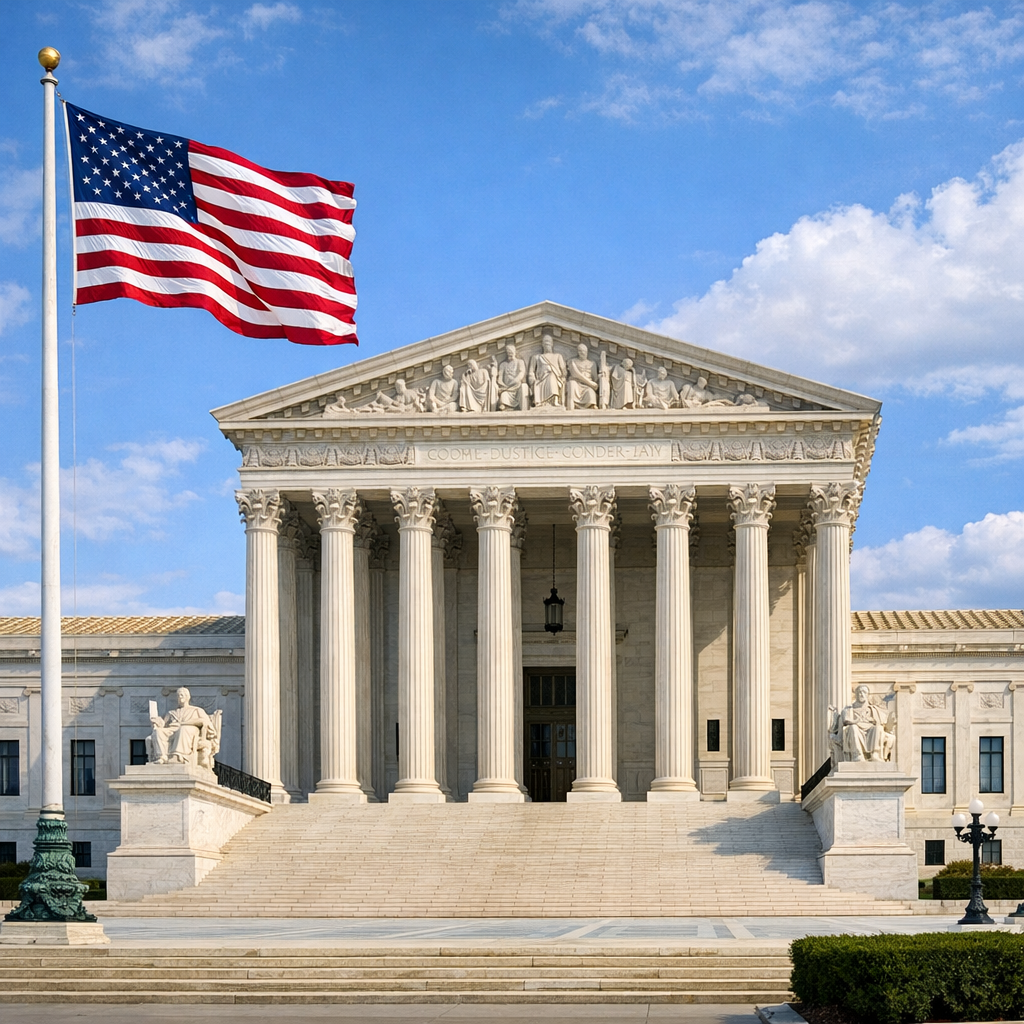
The Supreme Court has recently reaffirmed the principle of birthright citizenship, a cornerstone of U.S. immigration policy. This decision comes amid ongoing debates over immigration reform and the rights of individuals born on American soil.
Understanding Birthright Citizenship
Birthright citizenship, enshrined in the 14th Amendment of the U.S. Constitution, grants automatic citizenship to individuals born within the United States, regardless of their parents’ nationality. This principle has been a subject of legal and political discussions, especially concerning its implications for immigration policy.
Implications of the Supreme Court’s Decision
The Court’s ruling reinforces the constitutional guarantee of citizenship for those born in the U.S., impacting various aspects of immigration law and policy. It also influences ongoing legislative efforts and public discourse surrounding immigration reform.
Local Perspectives
In communities like Stillwater, Minnesota, the decision resonates with residents who value the nation’s commitment to inclusivity and equal rights. Local leaders and community members continue to engage in discussions about how national policies affect their daily lives and the fabric of their communities.
As the nation navigates complex immigration issues, the Supreme Court’s affirmation of birthright citizenship serves as a reminder of the enduring principles that define American identity and values.