

By Liam Anderson
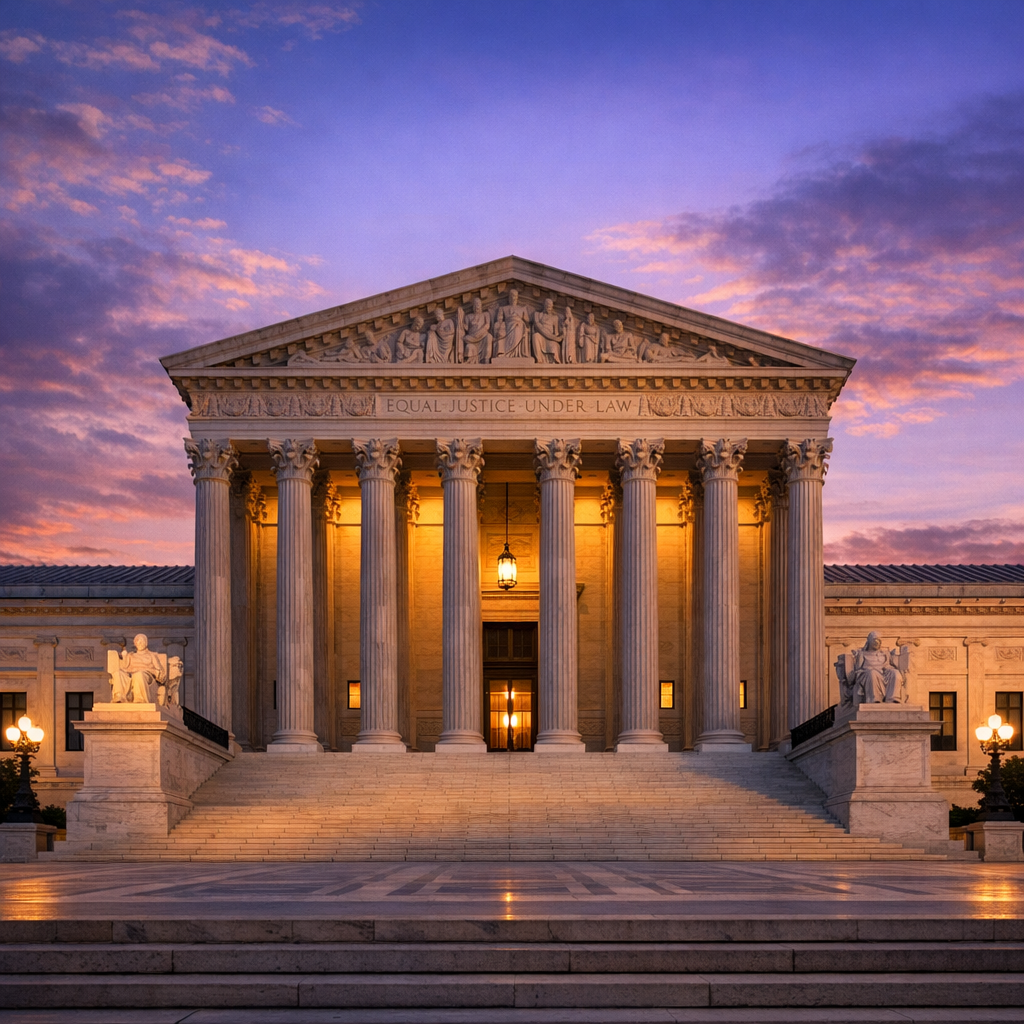
In a significant legal ruling that touches every facet of the U.S. economy, the Supreme Court affirmed the Federal Reserve’s institutional independence, limiting the president’s power to dismiss Fed governors arbitrarily. This decision comes at a time of heightened political influence over economic policy and signals an important shift in the balance between executive authority and economic regulation.
What the Court Decided
The Supreme Court ruled that the Federal Reserve, unlike many other government agencies, is shielded from full presidential control when it comes to removing its governing officials. In a case brought against a prominent Fed governor, the ruling emphasized that fixed terms and defined grounds for removal protect the Fed’s leadership from political retaliation or undue influence. These protections are viewed as essential for preserving the central bank’s ability to manage monetary policy without partisan interference.
Implications for the Economy
Why does this matter to you? When the Fed operates independently, it can make decisions like raising or lowering interest rates, controlling inflation, and setting money-supply policies based on data and long-term goals rather than political convenience. With inflation staying above comfort levels and consumer confidence fluctuating, this ruling helps protect economic policy from becoming a tool of short-term political gain.
Political Context and Pushback
The ruling comes amid mounting political pressure from parts of the executive branch and Congress seeking more direct influence over financial regulation. Some lawmakers argue that economic policy should be more closely aligned with electoral mandates. Critics counter that politicizing monetary policy risks undermining trust, triggering instability, and weakening the tools needed to respond in crises.
Why Stillwater Should Care
For residents of Stillwater and across Minnesota, this decision means that stable economic conditions—such as predictable interest rates on mortgages, more reliable job growth, and efforts to tame inflation—are less likely to be swayed by political winds. In a town where living costs and home values are deeply felt, preserving institutional safeguards matters.
Looking Forward
This ruling is likely to spark future debate over how much oversight Congress and the presidency should have over independent agencies. Moves to limit or expand agency powers may arise in upcoming legislation. Meanwhile, economists and markets will be watching closely to see how the Fed responds in its next policy decisions now that its institutional autonomy has been reaffirmed.
The Supreme Court’s latest ruling isn’t just a win for legal precedent—it’s a bolstering of the structures that aim to protect economic decision-making from short-term political interests. In today’s divisive climate, it’s a reminder that some institutions are designed to stand apart for the sake of long-term stability.