

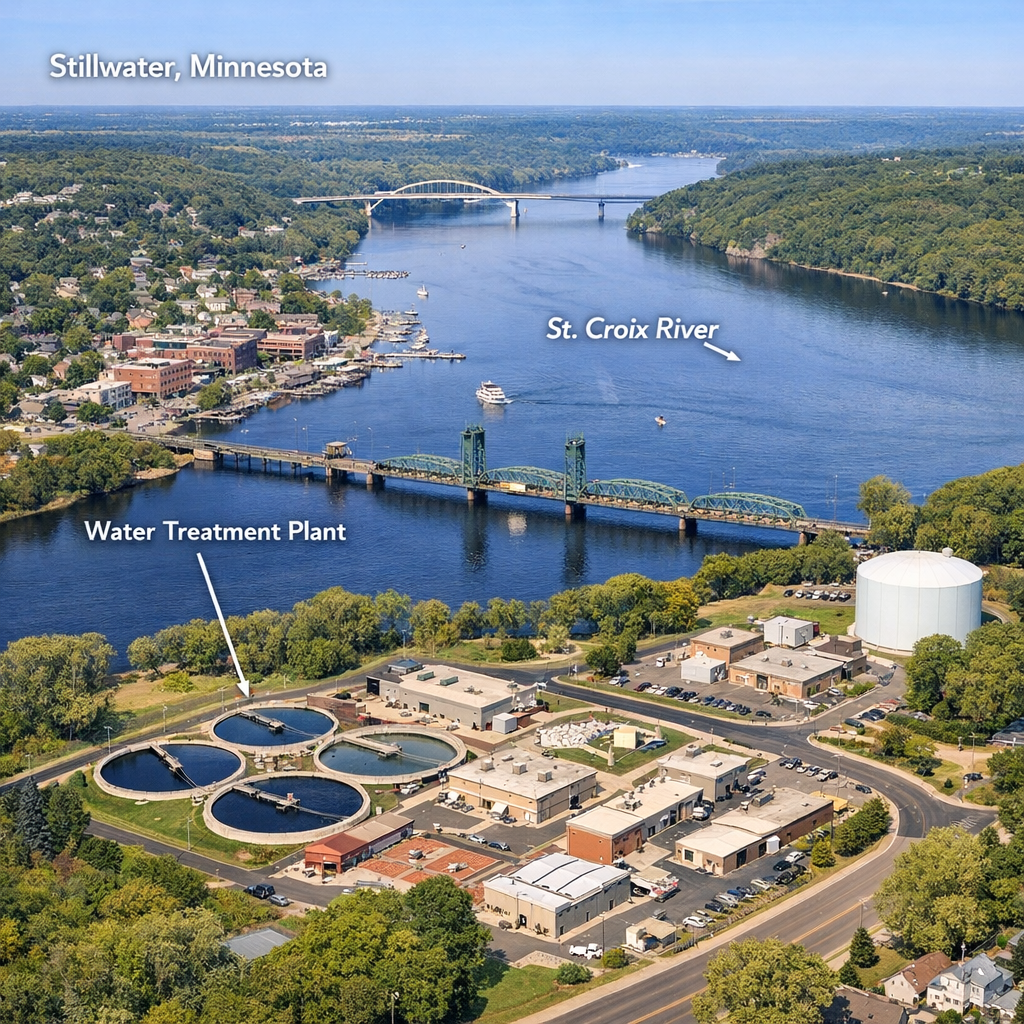
In recent years, the City of Stillwater has taken significant steps to address concerns regarding per- and polyfluoroalkyl substances (PFAS) in its water supply. PFAS are man-made chemicals found in various consumer products, and their presence in drinking water has raised health concerns nationwide.
Understanding PFAS and Their Impact
PFAS are chemicals used in products like non-stick cookware and water-repellent clothing. While they offer beneficial properties, PFAS can persist in the environment and accumulate in the human body over time. Potential health effects include immune suppression, lower birth weights, and increased risk of certain cancers.
Stillwater’s Proactive Measures
Recognizing the importance of providing safe drinking water, Stillwater has initiated several projects:
- Well #10 Treatment Facility: Construction is underway for a new PFAS treatment facility at Well #10. Since breaking ground in mid-September, progress includes new sanitary sewer manholes, raw and finished water piping connections, and concrete footings for the treatment building. The project is expected to be substantially complete by May 1, 2026.
- MPCA Investigation: The Minnesota Pollution Control Agency (MPCA) is actively investigating potential PFAS sources in Stillwater. This includes sampling private wells to determine the extent of contamination and identify sources. Private well owners will receive detailed results, and if PFAS levels exceed standards, homeowners will be eligible for treatment provided by the MPCA.
Ensuring Safe Drinking Water
Stillwater’s water utility serves approximately 20,600 people, delivering an average of 2.05 million gallons of water per day. The city’s drinking water comes from groundwater sources and is treated with chlorine and fluoride in accordance with Minnesota Department of Health standards. The city produces an annual Consumer Confidence Report, providing customers with information about drinking water quality.
Community Involvement and Future Steps
Residents are encouraged to stay informed and participate in community discussions regarding water quality. The city offers resources and updates on its official website, ensuring transparency and community engagement. By addressing PFAS concerns head-on, Stillwater demonstrates its commitment to the health and well-being of its residents.