

In recent years, the presence of per- and polyfluoroalkyl substances (PFAS) in drinking water has become a significant concern nationwide. Stillwater is no exception, and the city has taken proactive steps to ensure the safety of its water supply.
Understanding PFAS
PFAS are a group of man-made chemicals used in various industrial applications and consumer products. Due to their persistence in the environment, they have been detected in water sources across the country, raising health concerns.
Stillwater’s Response
The City of Stillwater’s water utility serves approximately 20,600 residents, drawing from the Prairie Du Chien-Jordan and Jordan aquifers through eight wells. Routine testing identified PFAS levels above the Environmental Protection Agency’s (EPA) standards in two wells (Well #6 and Well #10), with a third well (Well #9) showing levels just below the threshold. In response, these wells were promptly taken offline to prevent any potential health risks.
Temporary Treatment Facility
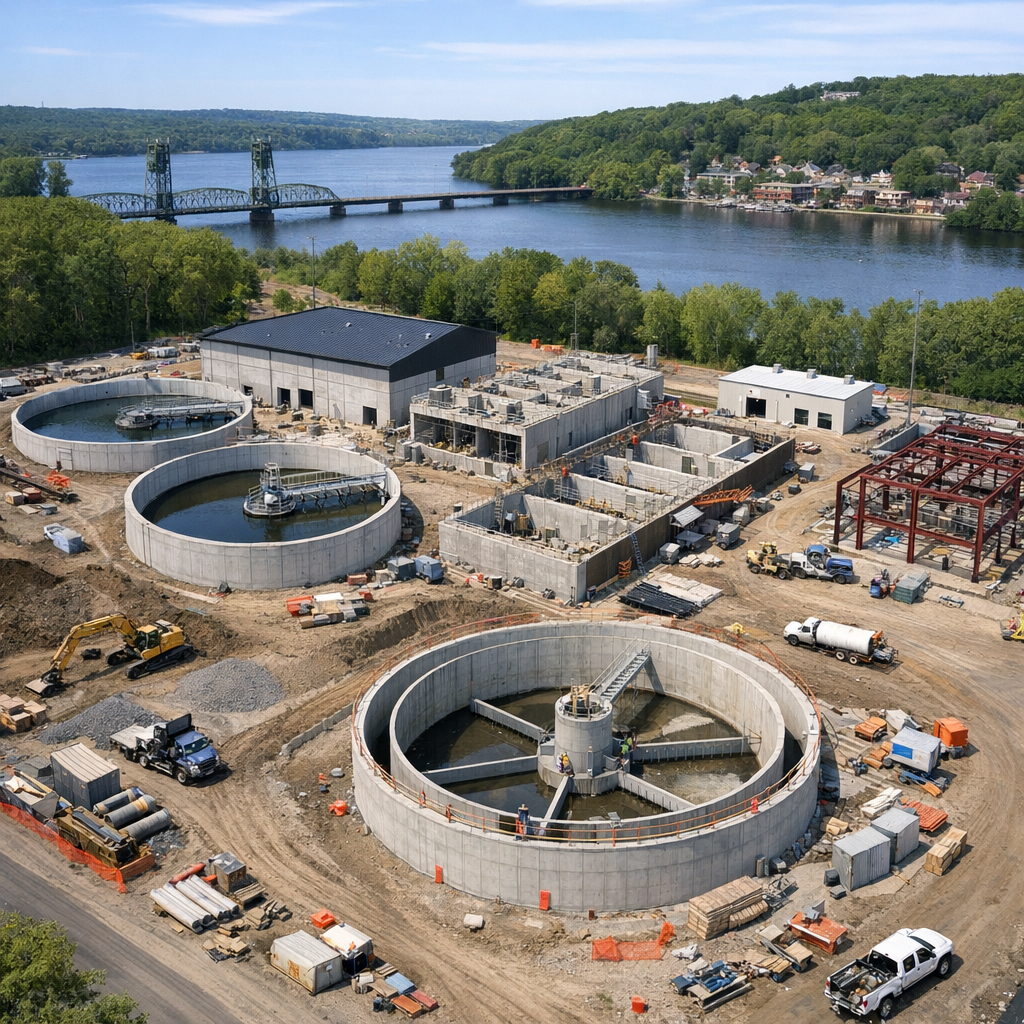
To address the issue, Stillwater initiated the construction of a temporary PFAS treatment facility at Well #10. The project commenced in mid-September, with significant progress made, including the installation of new sanitary sewer manholes, raw and finished water piping connections, and concrete footings for the treatment building. Despite winter conditions, construction continued, with the facility expected to be operational by May 1, 2026. This temporary solution aims to safely reintegrate Well #10 into the city’s water system, ensuring residents have access to clean and safe drinking water.
Long-Term Solutions
While the temporary facility addresses immediate concerns, the city is also developing a comprehensive plan for long-term water treatment solutions. This includes ongoing monitoring, potential infrastructure upgrades, and collaboration with state and federal agencies to secure funding and resources.
Community Engagement
Recognizing the importance of transparency, the city has established communication channels to keep residents informed. Regular updates are provided through the city’s website, and residents can sign up for email notifications specifically related to drinking water updates. Additionally, public meetings and forums are held to address concerns and gather community input.
Conclusion
Ensuring the safety of Stillwater’s drinking water is a top priority. Through proactive measures, transparent communication, and community involvement, the city is committed to addressing PFAS concerns and safeguarding public health.