

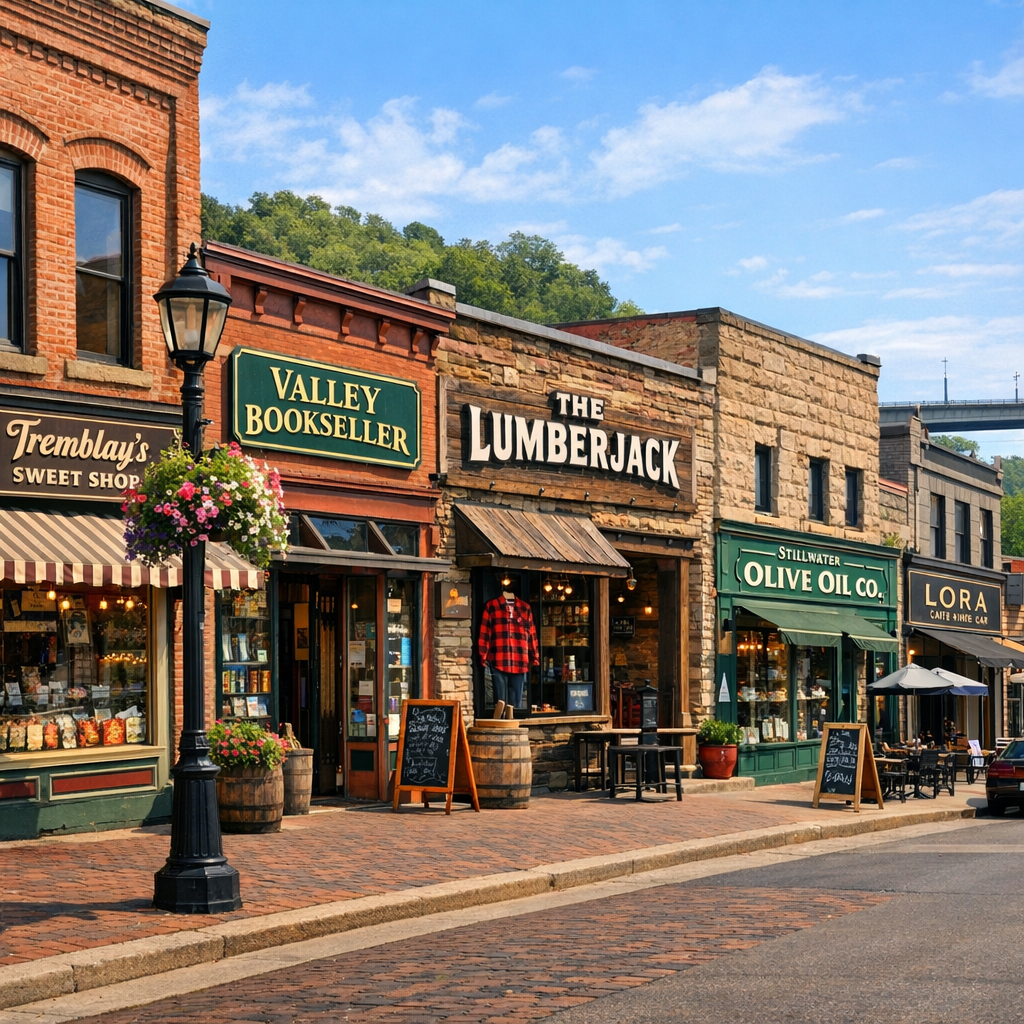
Stillwater remains a market full of opportunity—rich in history, natural beauty and community support—but its business owners say the reality is increasingly complex. Rising expenses and shifting customer patterns are stretching margins thin. Yet resources and county strategies are also helping entrepreneurs find footing.
Pressure Mounting on Local Shops
One of the more visible examples is Little Sapling Market, an art supply shop downtown, which closed after struggling with slow foot traffic and high costs. The owner questioned the return on events and storefront investments, saying that crowded sidewalks don’t always translate to cash register sales. Similar stories played out last year, with several locally owned retailers citing rising expenses—everything from utilities to supplies—and seeing fewer customers in person.
Underlying Trends and Countywide Impacts
Washington County has seen consistent economic benchmarks that highlight its strengths: broad appeal to new businesses, ranking among the top counties in the state for entrepreneurship, and a high concentration of small employers. About 86% of businesses in the county have fewer than 20 employees, and there are many non-employer businesses—those without paid staff—forming an essential backbone of the local economy.
What’s Working: Support Systems & Strategic Assets
One bright spot is the Open to Business program through the county’s Community Development Agency. It helps local entrepreneurs with business consulting, financing, and technical assistance—from writing loan applications to refining financial projections. The county also has commercial incentives, such as tax abatement options, especially in places like Forest Lake and among growth-minded municipalities.
Stillwater’s geography and culture are assets. Its riverfront, historical architecture, and proximity to Twin Cities traffic mean the city draws visitors from across the metro area. That, along with its mix of lifestyle-minded residents and committed small business owners, creates an environment people want to shop, dine, and explore in.
What Needs Attention: Gaps Entrepreneurs Say Matter
Several local business owners say that simply raising awareness of available resources could help. There are certified commercial-industrial sites in the county, but these are limited and hard to find. Another recurring concern is infrastructure—high speed broadband in particular—that remains spotty in some areas, affecting both product-based and remote service businesses. And as labor costs rise with changes in minimum wage law, shops with tight margins are finding it hard to adapt without raising prices or cutting staffing.
Steps Forward for Business Owners and Policy Makers
- Leverage open programs: Talk with Open to Business for help with financial forecasting and loan prep.
- Join or lead local advocacy: Helping shape business-friendly policies around permits, design review, and utility infrastructure can make a difference.
- Think omnichannel: Boosting online presence along with a brick-and-mortar location can expand reach without multiplying overhead.
- Focus on efficiency: Cost controls, partnerships with suppliers, and minimizing waste can buffer against inflation and soft demand.
- Support from voters and local government: Stronger support for small businesses—through grants, technical assistance, and favorable zoning—can help preserve Stillwater’s unique character while sustaining its economy.
Stillwater and Washington County have many strengths. Quality of life, community pride, an entrepreneurial culture—all of these keep business decision-makers interested. The challenge now is making sure that the structural supports keep up: the financing, infrastructure, regulatory clarity, and promotional effort that help turn opportunity into stability.