

By Emma Nelson
Stillwater is moving forward with several large-scale development and infrastructure projects—many designed to improve amenities in fast-growing parts of the city. At the same time, some community concerns have emerged, particularly around design, pedestrian access, traffic, and how well growth is being planned to benefit all residents.
What’s On the Horizon
The city has recently welcomed Jason Zimmerman as its Community Development Director. His role is central to guiding Stillwater’s future—including pushing ahead a 20-year Comprehensive Plan to shape housing, land use, and amenities for decades to come. He’s also overseeing several high-impact projects, especially along Manning Avenue.
Key developments include:
- Brixton Townhomes: A proposed community of 108 owner-occupied units aimed at diversifying housing options near Manning and 80th Street.
- Lakeview Hospital’s New Facility: A $400 million hospital is under construction, targeting an opening in early 2028, which will bring specialty and emergency services closer to the west side of town.
- Central Commons: A 35-acre mixed-use project at the corner of Manning and State Highway 36, featuring multifamily housing, a grocery store, and new commercial spaces—bringing daily services closer for many residents.
Riverfront Improvements & Park Projects
The riverfront, long a hallmark of Stillwater’s charm, is seeing renewed investment. The city has secured state funding and enacted a sales tax increase specifically to enhance riverfront amenities. Flagship projects include:
- Lumberjack Landing: A 15-acre park space planned along the St. Croix Riverwalk, combining recreation and education through better trails, river access, and gathering areas.
- Bridgeview Park Upgrade: Improvements across multiple zones including the Bergstein Building, boat launches, parking areas—totaling millions in investment to enhance public usability.
Infrastructure Projects & Sustainability
Stillwater isn’t just building outward—it’s fixing what underpins growth. Major construction work is underway on street improvements, water system upgrades, and utility line replacements. The engineering department shows that projects such as the 2026 Street Improvement Project and galvanized water service line replacements are active, meaning road closures, disruptions, and new installations are all in the mix.
Meanwhile, advocacy groups like Sustainable Stillwater MN are pushing forward programs to make transportation safer, more sustainable, and more equitable. These include:
- “Complete Streets” policy work that emphasizes sidewalks, biking infrastructure, and transit access.
- Initiatives to install more electric vehicle charging stations across the city.
- Programs that integrate climate resilience and native landscapes into public planning.
Voices from the Community: What People Are Asking For
Alongside plans and budgets, several community concerns are shaping local debate:
- Pedestrian Access: Some planned developments—such as Brixton—are being critiqued for lack of sidewalks and safe routes for walking, especially near schools.
- Traffic & Emergency Access: Increased density in certain areas raises questions about road capacity and how emergency vehicles will navigate.
- Equity & Convenience: Many residents on the west side of Stillwater have pushed for more local amenities—healthcare, grocery stores—to reduce travel time and enhance access.
- Preservation of character: With rapid development, people want to retain the city’s historic downtown feel, riverfront identity, and tree-lined streets.
Balancing Act: Growth with Intention
The challenge for Stillwater, as seen this year, is how to grow strongly while keeping its character and ensuring every part of town is served. The new Comprehensive Plan offers a chance to guide that—it could codify things like design standards that emphasize walkability, set aside space for public amenities, require better site design for new housing, and make infrastructure improvements consistent citywide.
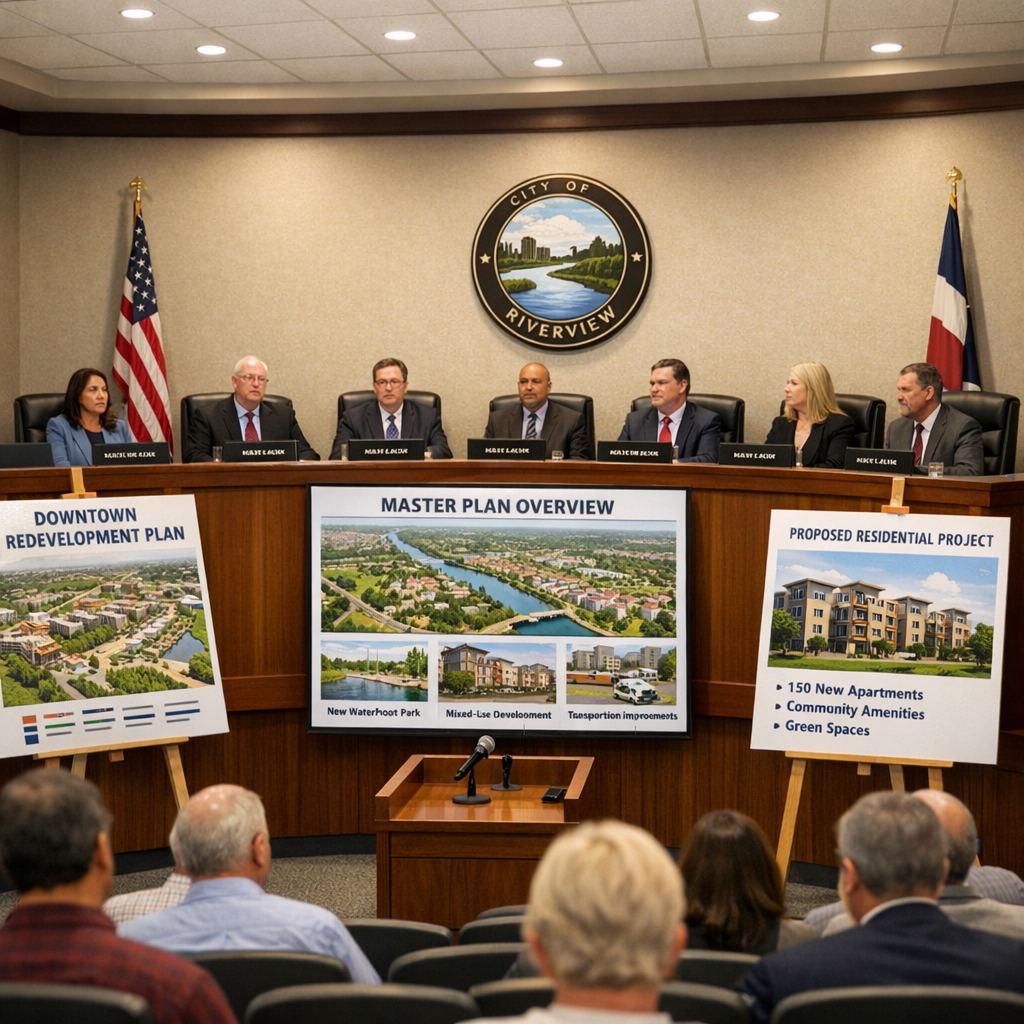
For neighbors, staying informed and involved—through public hearings, neighborhood meetings, or submitting feedback during planning—will help shape what Stillwater becomes. The biggest transformations are coming, but they won’t land well unless residents have a voice and their priorities are heard.
What Residents Can Do Now
- Watch for upcoming city council and planning commission meetings where projects like Brixton are discussed.
- Review the draft Comprehensive Plan, when released, and submit comments on walkability, design, amenities.
- Connect with sustainability programs and local groups advocating for Complete Streets and public spaces.
- Monitor infrastructure projects—like street improvements or water service work—in your area so you can plan accordingly.
Stillwater stands at a dynamic point in its history—one of growth, promise, and possibility. The question now is not just what gets built, but how it’s built, and for whom.