

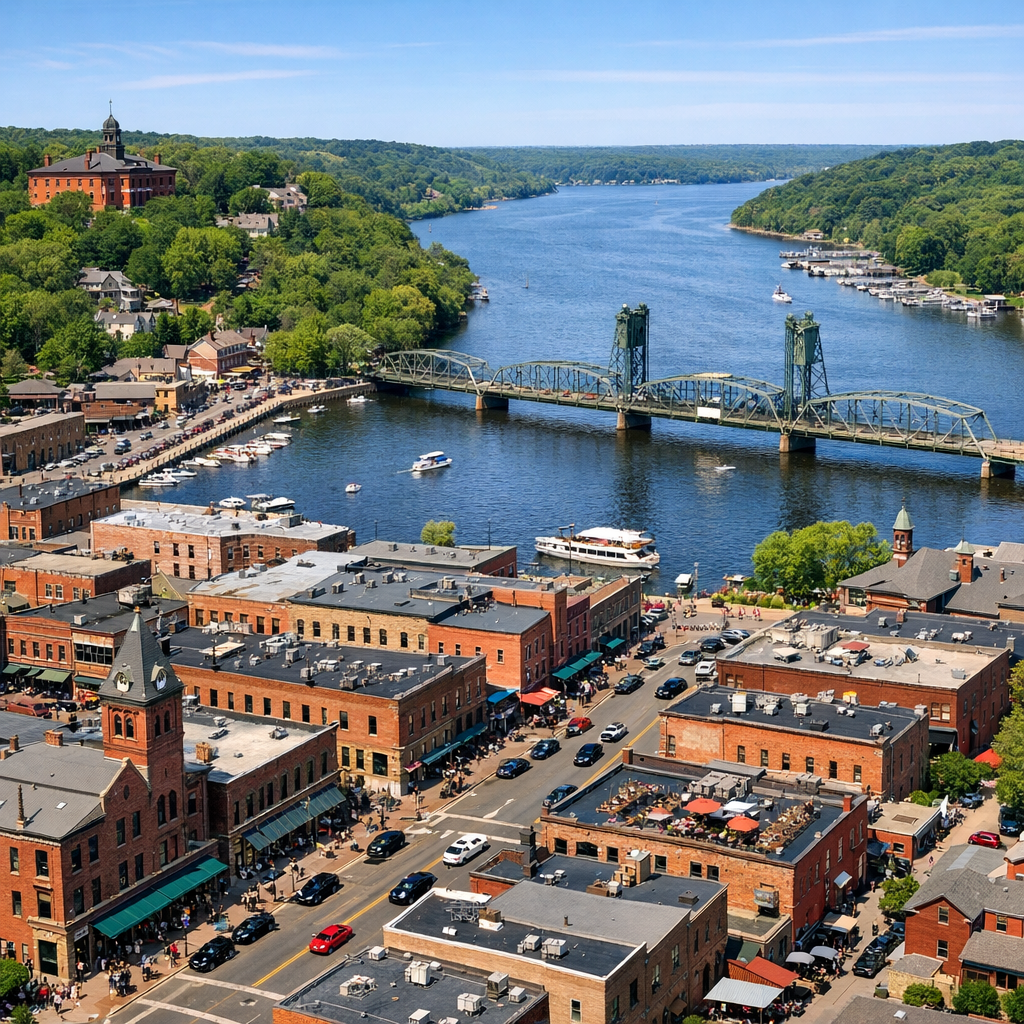
Stillwater is experiencing a period of significant transformation, with several key projects and initiatives underway that promise to enhance the city’s infrastructure and community engagement.
Modernizing Parking Enforcement
In March 2026, the City of Stillwater expanded its partnership with Passport to upgrade parking enforcement operations. This unified platform aims to improve parking compliance and streamline workflows, particularly in high-demand downtown areas. Community Development Director Jason Zimmerman highlighted the benefits of this system, noting that it allows the city to spend less time on manual tasks and more time supporting residents, businesses, and visitors.
New Leadership in Community Development
February 2026 marked the appointment of Jason Zimmerman as Stillwater’s new Community Development Director. Zimmerman, a Twin Cities native, is leading efforts on the Comprehensive Plan, which will guide the city’s development for the next two decades. He expressed enthusiasm for collaborating with the team at City Hall to build on positive initiatives for Stillwater’s future.
Exploring a Downtown Social District
Authorized by the Minnesota Legislature in 2024, Stillwater is considering the establishment of a downtown social district. This initiative would allow individuals to purchase and consume alcoholic beverages within a designated area. The city is actively seeking community input through surveys and public open houses to assess the feasibility and desirability of this proposal.
Addressing Water Quality Concerns
The Minnesota Pollution Control Agency (MPCA) is conducting investigations into potential PFAS contamination in Stillwater’s water supply. Beginning in May 2025, the MPCA initiated sampling of private wells and public areas to identify contamination sources and ensure water safety. Residents with private wells are encouraged to participate in the sampling process to help determine the extent of any contamination.
Balancing Community Events and Resident Concerns
Stillwater’s vibrant event calendar, featuring festivals like Lumberjack Days and Harvest Fest, has drawn large crowds to the historic downtown. However, some residents have expressed concerns about the frequency and scale of these events. In response, city officials are evaluating ways to balance the economic benefits of tourism with the quality of life for residents, considering potential limitations on the number and size of festivals.
These developments reflect Stillwater’s commitment to thoughtful growth and community engagement, ensuring that the city remains a desirable place to live and visit.