

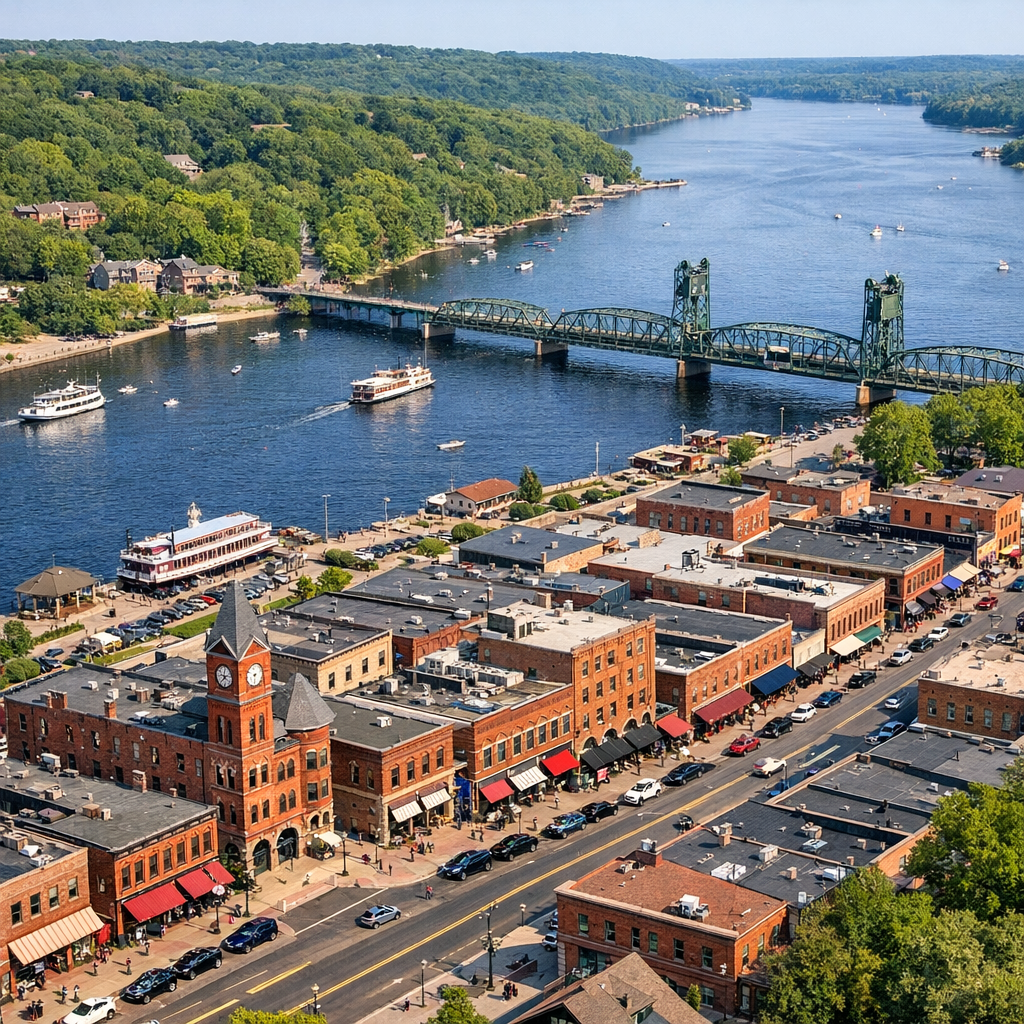
Stillwater, Minnesota, is experiencing a period of significant transformation, marked by leadership changes, community initiatives, and infrastructure projects that aim to enhance the city’s vibrancy and address residents’ concerns.
Leadership and Community Development
In February 2026, Jason Zimmerman was appointed as Stillwater’s new Community Development Director. Zimmerman, a native of the Twin Cities’ west side, brings a fresh perspective to the role. He is currently spearheading the Comprehensive Plan, a strategic blueprint set to guide the city’s growth and development over the next two decades. Zimmerman emphasizes collaboration, stating, “I work with a very enthusiastic and team-oriented group of people in City Hall. It’s been easy to step in and build on their positive thinking for the future of Stillwater.”
Social District Proposal
The city is considering the establishment of a downtown social district, which would permit public consumption of alcoholic beverages within a designated area. This initiative aims to boost local businesses and enhance the downtown experience. However, community feedback has been mixed. A city-conducted survey revealed that just over 50% of respondents are opposed or slightly opposed to the idea, while 44% are in favor or slightly in favor. Mayor Ted Kozlowski noted, “I’m pretty well squarely on the fence with this one,” reflecting the community’s divided stance.
Event Management and Resident Concerns
Stillwater’s rich calendar of events, including Lumberjack Days and Harvest Fest, has drawn large crowds, contributing to the city’s lively atmosphere. However, some residents have expressed concerns about the frequency and scale of these events, citing issues like congestion and noise. In response, city officials are evaluating ways to balance the economic benefits of tourism with the quality of life for residents, potentially by limiting the number of large-scale events.
Infrastructure and Public Safety
In April 2025, the Minnesota Pollution Control Agency (MPCA) initiated an investigation into potential PFAS contamination in Stillwater’s water supply. The city had previously identified unsafe PFAS levels in its drinking water and ceased using affected wells. The MPCA’s ongoing efforts include sampling private wells to determine the contamination source and ensure public health safety.
Additionally, the Minnesota Correctional Facility-Stillwater is slated for closure by 2029 due to escalating operational costs and facility deterioration. This decision has prompted discussions about the future use of the site and the impact on the local community.
As Stillwater navigates these developments, the city’s leadership remains committed to fostering a community that honors its historical roots while embracing progress and addressing residents’ needs.